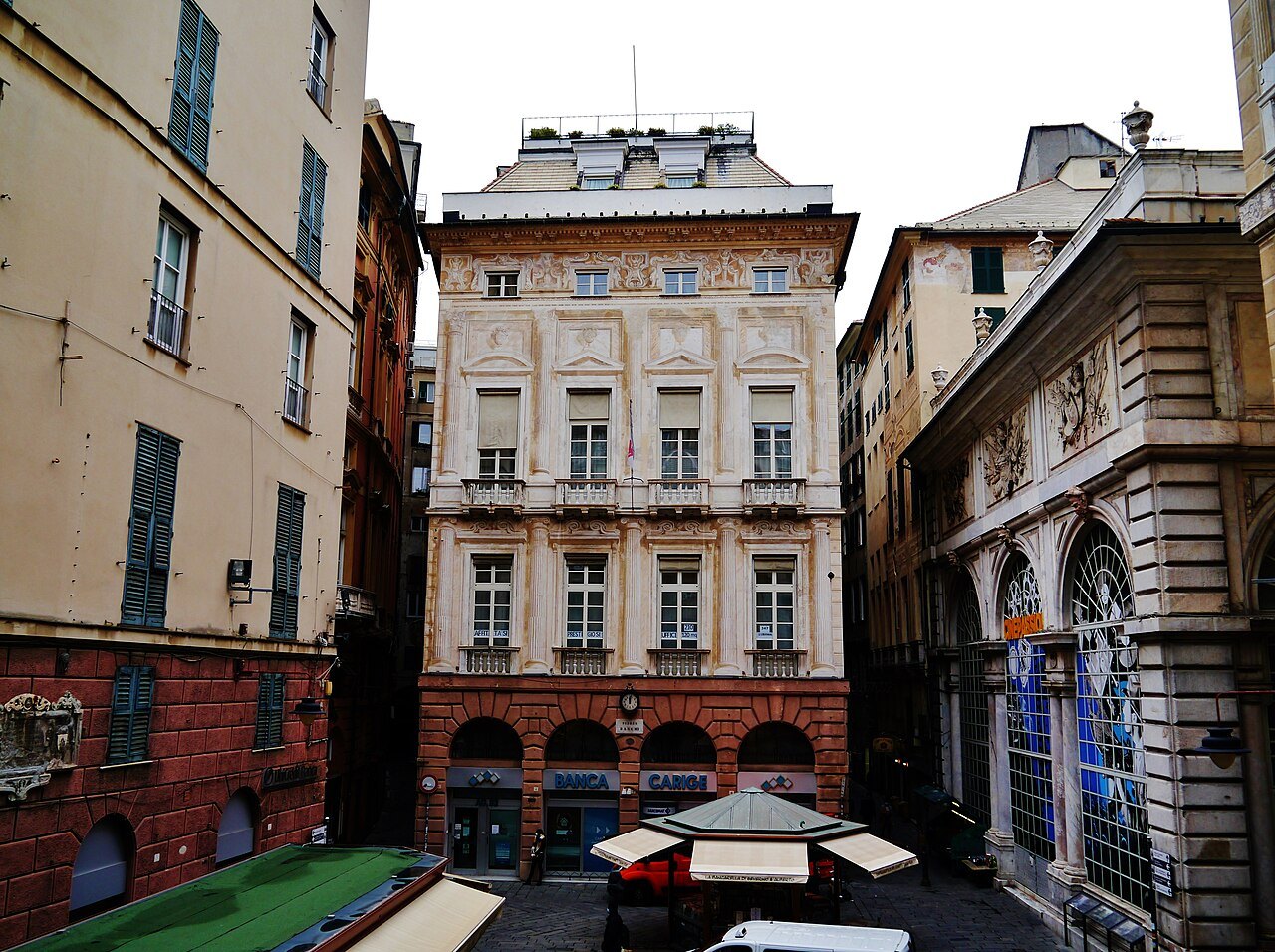
The reputation and the reality
Genoa's centro storico is among the largest medieval quarters in Europe, and for decades it had a bad name: poor, crowded, dark, and known for drugs and prostitution in a few specific streets.
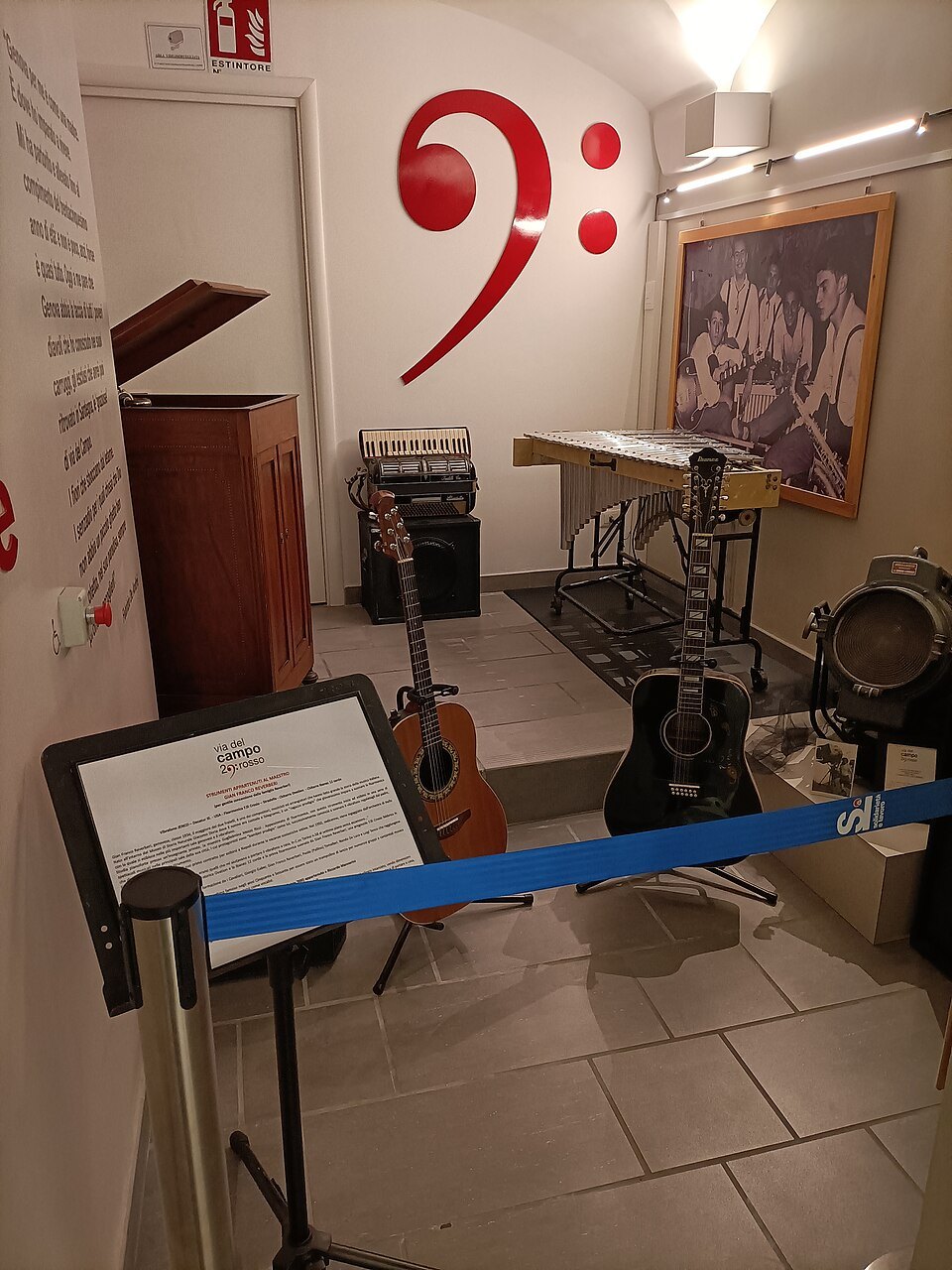
Most of that reputation now belongs to a small part of it. The lanes around Via San Luca, Piazza Banchi, Piazza delle Erbe and the cathedral are busy with shops, bars and residents into the night.
The streets that still deserve care are in the west: Via di Prè, Via del Campo beyond the music shop, and the tangle known as the Ghetto. They are poorer, less lit, and where the visible drug and sex trade is. By day they are ordinary; at night they are not where a visitor needs to be.
Violent crime against visitors is rare. Pickpocketing in crowded lanes is not, and it is the one thing to guard against.
The city has spent thirty years on the quarter — restoring palaces, opening museums, moving university faculties in — and the change is visible street by street. A guidebook from ten years ago describes a different place.
Which lanes to take
Via San Lorenzo is the spine: a straight cut from the cathedral down to the harbour, opened through the maze in the nineteenth century, and the easiest way to orient yourself.
Via San Luca runs north to south through the middle and was the main street of the Spinola and Grimaldi quarter; it is still the busiest shopping lane in the old town.
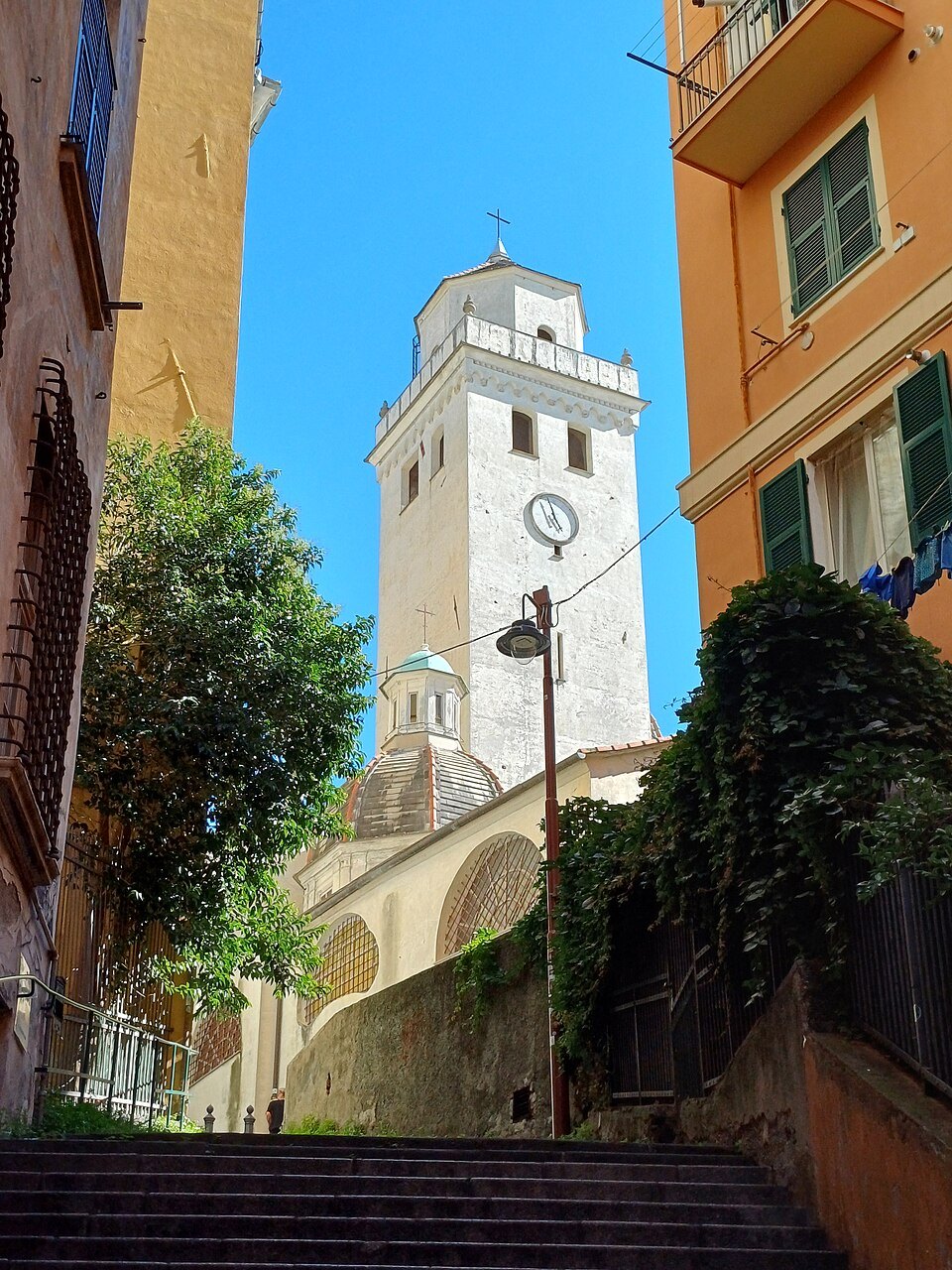
Sottoripa, the arcade along the harbour front, is the oldest commercial street in the city — dark, deep and lined with fryers and grocers.
Piazza Banchi, the old exchange square, has a church built above shops so that the rents could pay for the building; Piazza San Matteo, five minutes east, is the Doria family's own square and the best-preserved corner of medieval Genoa.
Piazza delle Erbe and Piazza San Donato are where the evening crowd collects, and both are comfortable to sit in after dark.
A good first walk: down Via San Lorenzo from the cathedral, left into the lanes at Piazza Banchi, through the arcade of Sottoripa to the harbour, then back up Via San Luca and east to Piazza delle Erbe. An hour, and it takes in the four kinds of lane the old town has.
How to find your way
Two rules cover most of it. The ground always falls toward the sea, so downhill leads to the port and uphill to the newer city. And three wide streets cut the maze — Via San Lorenzo, Via San Luca and Via Balbi — so you are never far from one.
Phone maps work badly between six-storey buildings two metres apart. Expect the blue dot to drift by a street or two, and navigate by the streets you can see rather than the one on the screen.
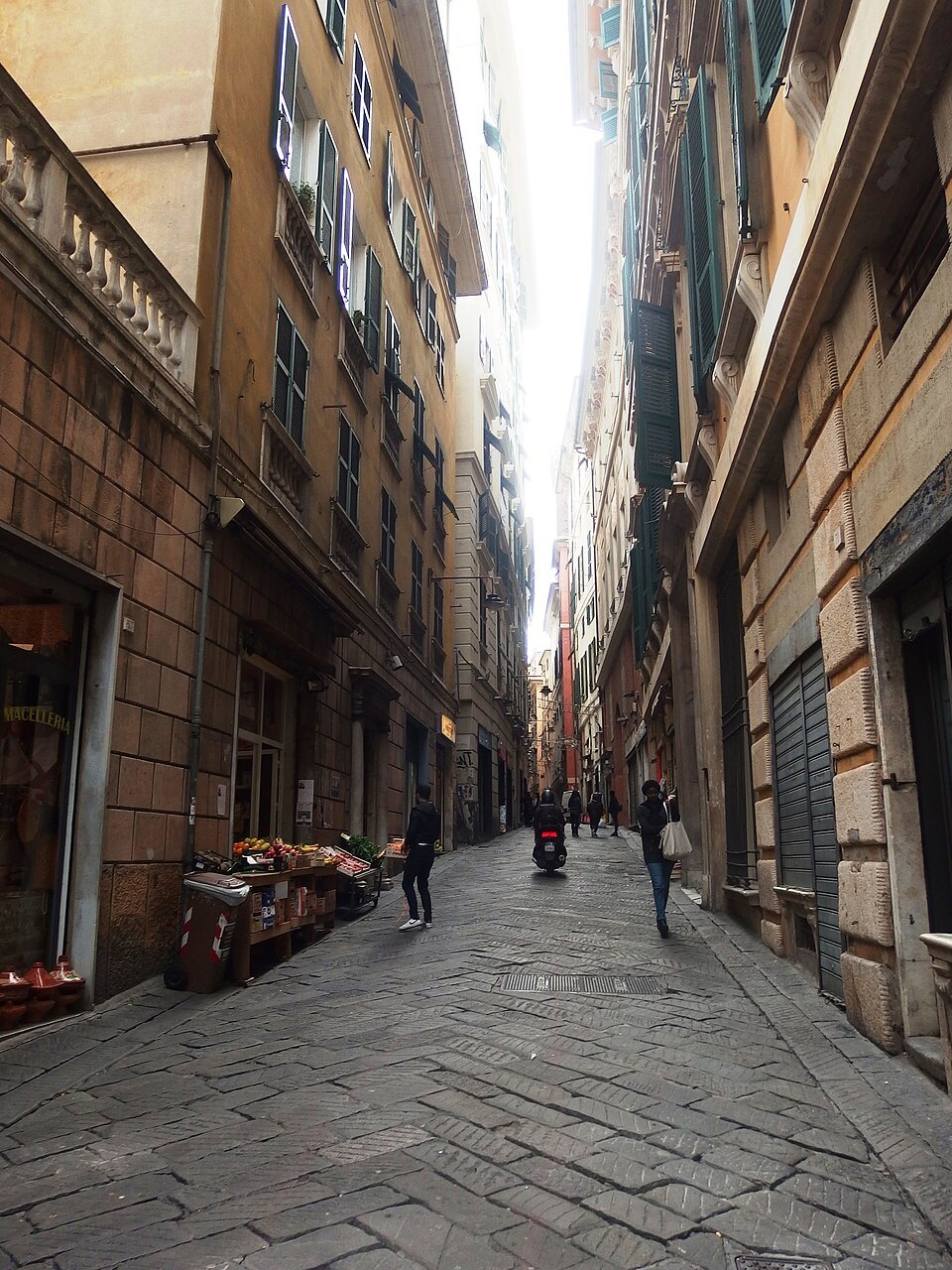
Street numbers come in two colours: red for commercial premises, black for homes, in separate sequences on the same street. An address that does not say which will send you to the wrong door.
What is actually in the lanes
It is a working quarter rather than a preserved one. The ground floors are workshops, bakeries, grocers, hairdressers, African and South American shops, ships' chandlers, and the occasional survivor of an older trade.
The monuments are inside the maze, not beside it: the cathedral, the Doria square, Santa Maria di Castello on the hill above the port, and a dozen small oratories behind plain doors.
Look up. The doorways carry carved slate lintels — black stone cut with saints and coats of arms — and shrines are set into the corners at the junctions, lit at night.
There are also the doorways of the palaces. Several of the Rolli houses stand in these lanes with their vestibules open onto stairs and courtyards, and Palazzo Spinola, a furnished palace museum, is in a lane so narrow you cannot stand back far enough to see its front.
When to walk them
Morning is the best hour: shops opening, deliveries by hand-cart, and light falling in vertical slots between the buildings.
Early evening is the second: the aperitivo crowd fills the small squares, the shutters come down and the lanes change character completely.
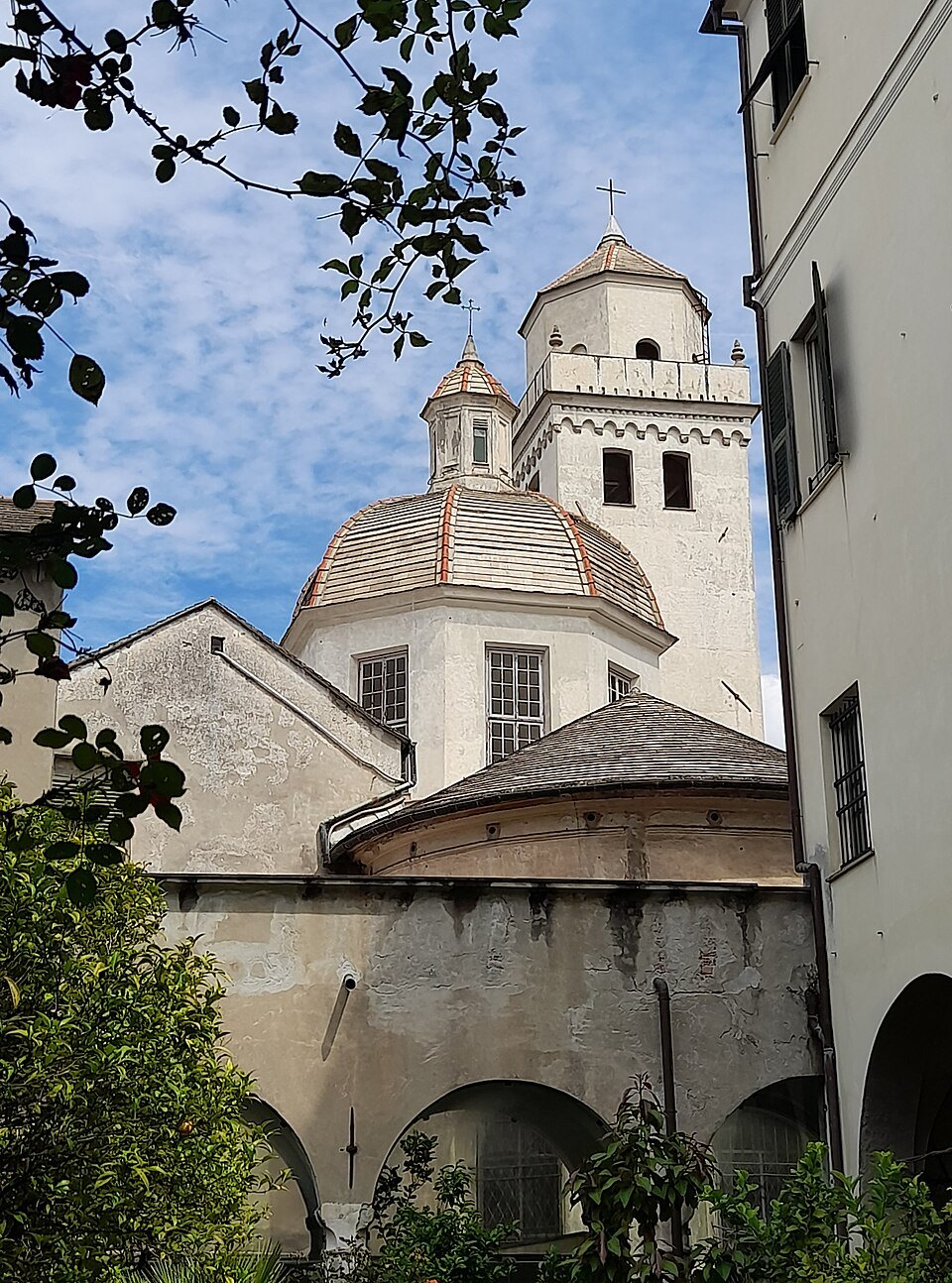
The middle of a summer afternoon is the worst. Everything closes, the lanes empty, and the quarter can feel bleak in a way it is not.
Sunday morning is quieter than any other time, with the shops shut and the churches in use; it is the best hour for photographs and the worst for eating.
Ordinary precautions
Keep bags closed and in front of you in the busiest lanes, and keep your phone in a pocket rather than in your hand while navigating.
Stick to the lit and busy streets after dark, and if a lane feels wrong, turn round — in a maze this dense you are never more than a minute from a busier one.
Remember that people live here. Voices carry between the walls, and a crowd shouting at night is noticed by a hundred bedrooms.
Beyond that, walk it. The old town is the reason to come to Genoa, and being slightly lost in it is the point rather than the problem.
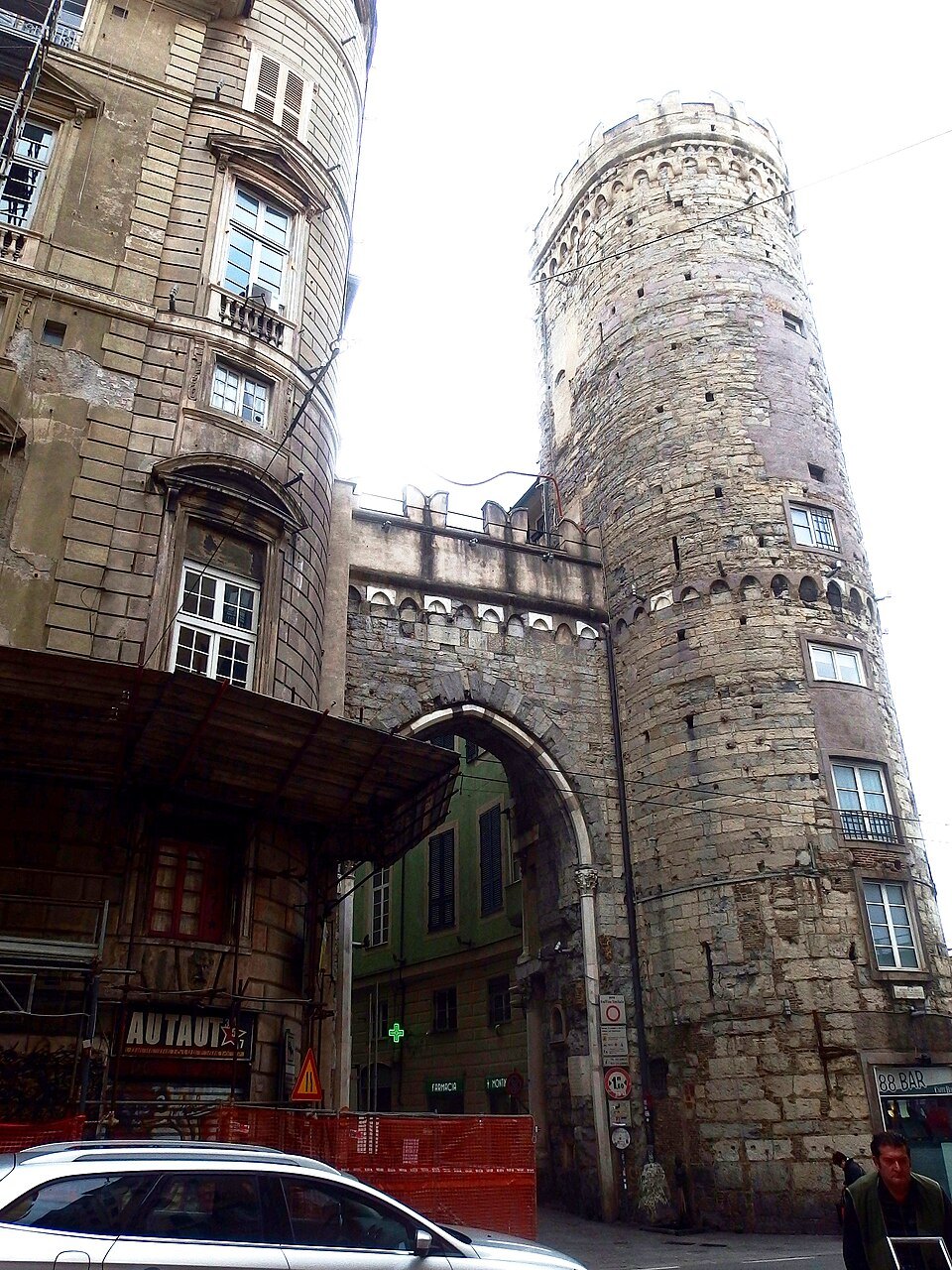
Finally, a practical point that has nothing to do with safety: wear shoes with grip. The lanes are paved in stone and slate worn smooth by centuries, they stay damp in the shade, and the salite that climb out of the quarter are steep enough to matter in the wet.
More from the journal
- Eating & DrinkingWhere do you eat farinata and focaccia the way Genoese do?Genoa's best eating is cheap, fast and eaten on foot: chickpea farinata from a copper pan, oily focaccia at any hour, and fried fish from a counter in the arcade.Read the piece
- Getting AroundWhich of Genoa's lifts and funiculars are actually worth riding?Genoa runs ten public lifts, two funiculars and a rack railway on the ordinary bus ticket. Here is what each one is for, which are worth a detour, and how to use them.Read the piece