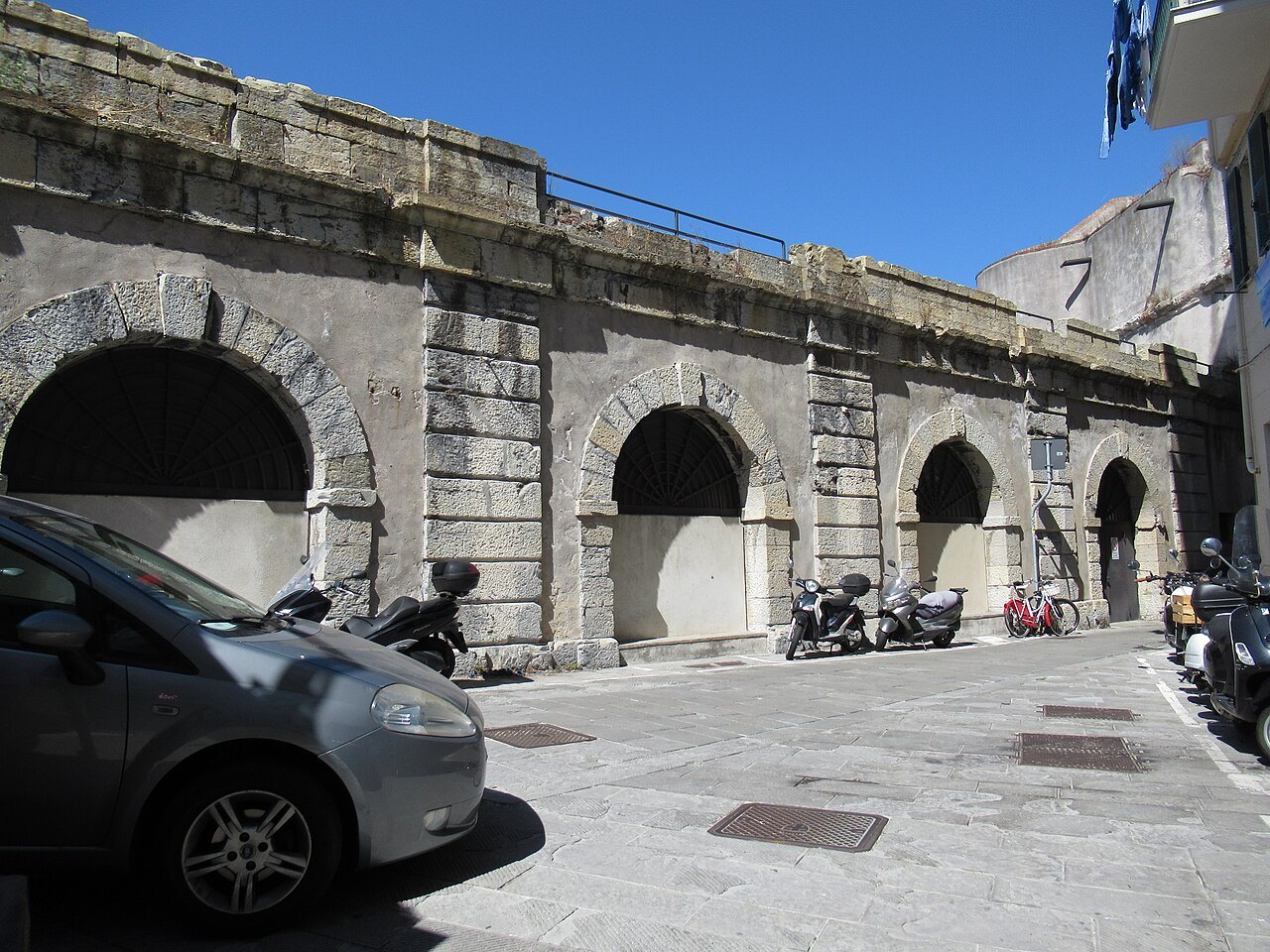
Routes that respect the hills
One day
- Morning
- Via Garibaldi and one of the Strada Nuova palaces, then down through the lanes to the cathedral and San Matteo.
- Midday
- Farinata or focaccia standing up in Sottoripa, then the old port: the Bigo lift for the view over the roofs.
- Afternoon
- The aquarium or the sea museum, depending on who you are travelling with.
- Evening
- The lift to Castelletto for the light over the old town, then an aperitivo in Piazza delle Erbe.
Two days
- Day one
- As above.
- Morning
- The Palazzo Ducale and its tower, Porta Soprana and Columbus's house, then the Gesù.
- Afternoon
- Via Balbi and the Palazzo Reale, ending on the hanging garden over the port.
- Evening
- The seafront at Corso Italia, out to Boccadasse for the ice cream and the boats.
Three days
- Day one and two
- As above.
- Morning
- The funicular to the Righi, the walls and Forte Sperone along the ridge.
- Afternoon
- Staglieno cemetery up the Bisagno valley.
- Evening
- Dinner in a trattoria in the caruggi, and the lanes after dark around Via San Luca.
Five days
- Days one to three
- As above.
- Day four
- Nervi: the cliff path, the parks and one of the villa museums, with a swim if the season allows.
- Day five
- The Lanterna and its walkway, the Galata sea museum, and the western waterfront.
Seven days
- Days one to five
- As above.
- Day six
- A day trip along the coast to Camogli and San Fruttuoso, or to Portofino by boat.
- Day seven
- The Rolli palaces at leisure, the Mercato Orientale, and whatever the weather ruled out earlier.
Itineraries in detail
How to plan a day here
Genoa punishes zig-zagging. The city is long, thin and vertical, so a day that crosses it three times is a day spent in transit; a day that works one layer at a time is not.
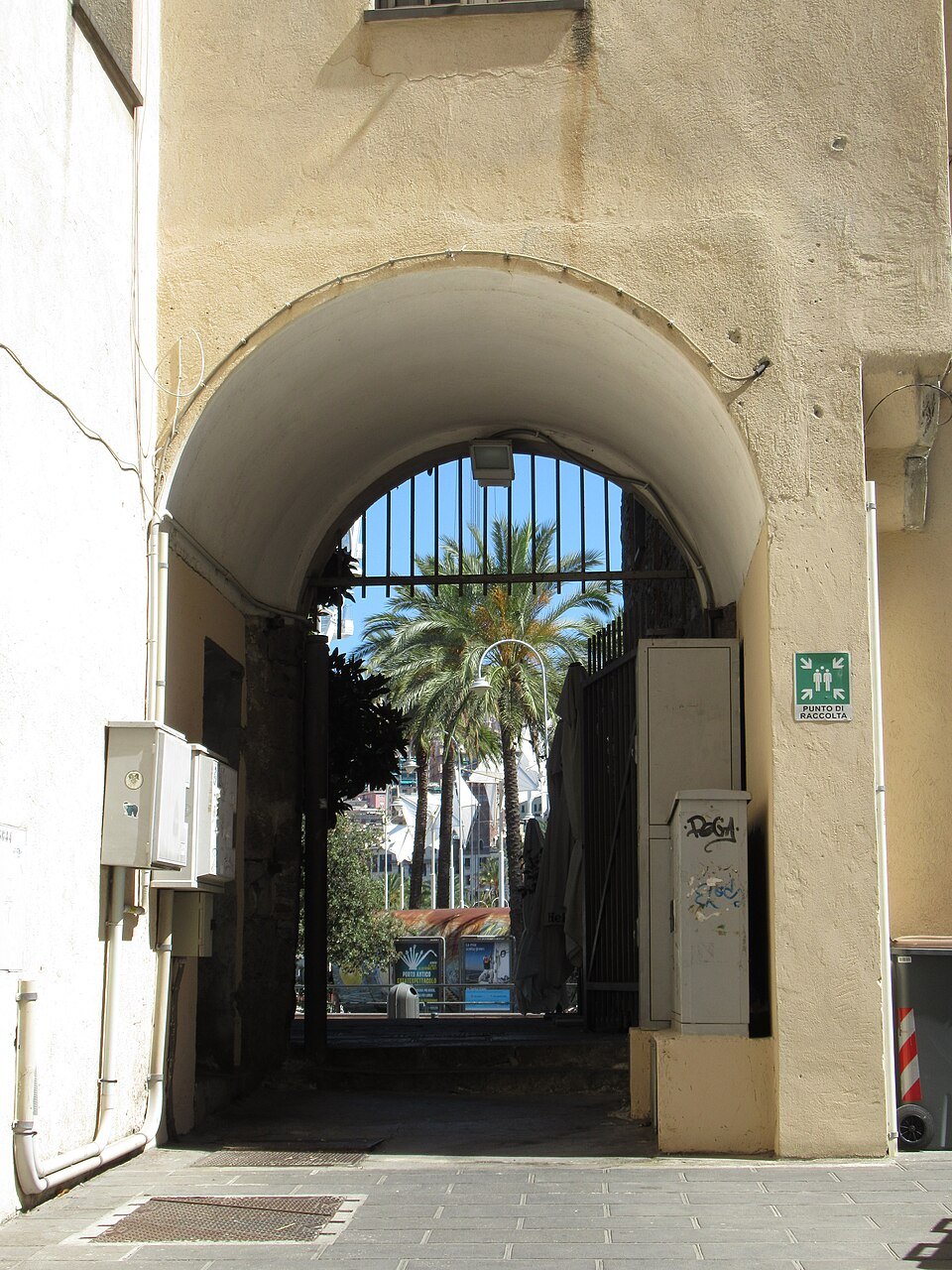
The pattern that works is simple: the old town and the palaces in the morning, when the lanes are busy and the churches keep their morning hours; the heights in the afternoon, when the light is behind you; the shore in the evening, when the city walks.
Two habits help. Book nothing that can be walked into, and check what closes in the middle of the day — churches and some palaces do, for two or three hours.
Group by layer, not by list. The old town is one layer, the palace streets another, the hills a third and the shore a fourth, and each of them is a half-day. A visit that respects that arrangement feels unhurried; one that does not feels like a series of climbs.
Distances mislead on a map. Two streets that look adjacent may be separated by a cliff, a viaduct and a hundred steps, and the quickest route between them is often a public lift.
One day
If you have a single day, spend it between Via Garibaldi and the harbour. That axis contains the palaces, the cathedral, the medieval squares and the old port, and it is all downhill.
Give the middle of the day to eating standing up in the lanes rather than to a sit-down lunch; it is cheaper, quicker and more characteristic.
Finish above the city. The Castelletto lift takes a minute and turns the day's walking into a map.
Start early. The lanes are at their best before the middle of the morning, when the shops are opening and the light comes down between the buildings, and the museums are empty for the first hour.
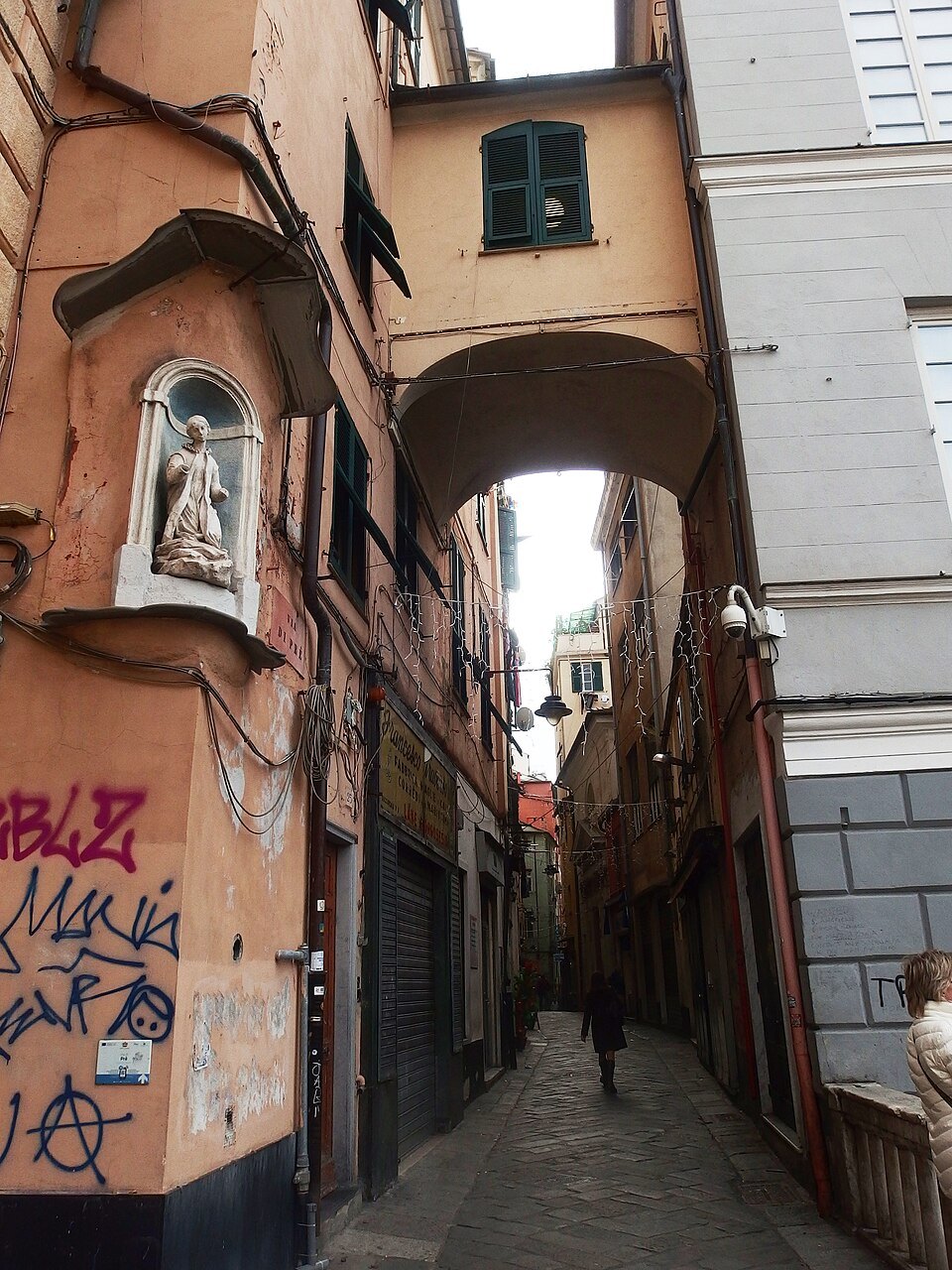
If the weather is against you, invert the day: the aquarium and the sea museum in the morning, the palaces in the afternoon, and the lift up when it clears.
One day is enough to like the city and not enough to understand it. If that is all you have, accept it: walk one axis well rather than three badly, and leave the hills and the shore for a second visit.
Two or three days
With two days, add the Palazzo Ducale, Porta Soprana and the royal palace on Via Balbi, and take an evening out to the seafront.
With three, go up: the funicular to the Righi and the forts in the morning, Staglieno in the afternoon. Both are half-days in their own right, and both are what makes this city different from Florence or Turin.
Keep one meal for a proper trattoria and book it; Sunday lunch, if your days allow, is the one the city takes seriously.
Leave one afternoon unplanned. This is a city that pays back wandering — a lane you did not intend to take, a church door open, a market street behind the cathedral — and a schedule that is full to the hour will miss all of it.
If you have an evening to give to one thing, make it the seafront walk out to the fishing cove, which is what the city itself does with its evenings.
Three days is the length at which Genoa starts to make sense, because it is long enough to see the same view from above, from below and from the water, which is how the place is built.
Longer stays
Beyond three days the city stops being a checklist. Nervi, the Lanterna walkway, the Spinola gallery, the market and the hill quarters all reward an unhurried half-day.
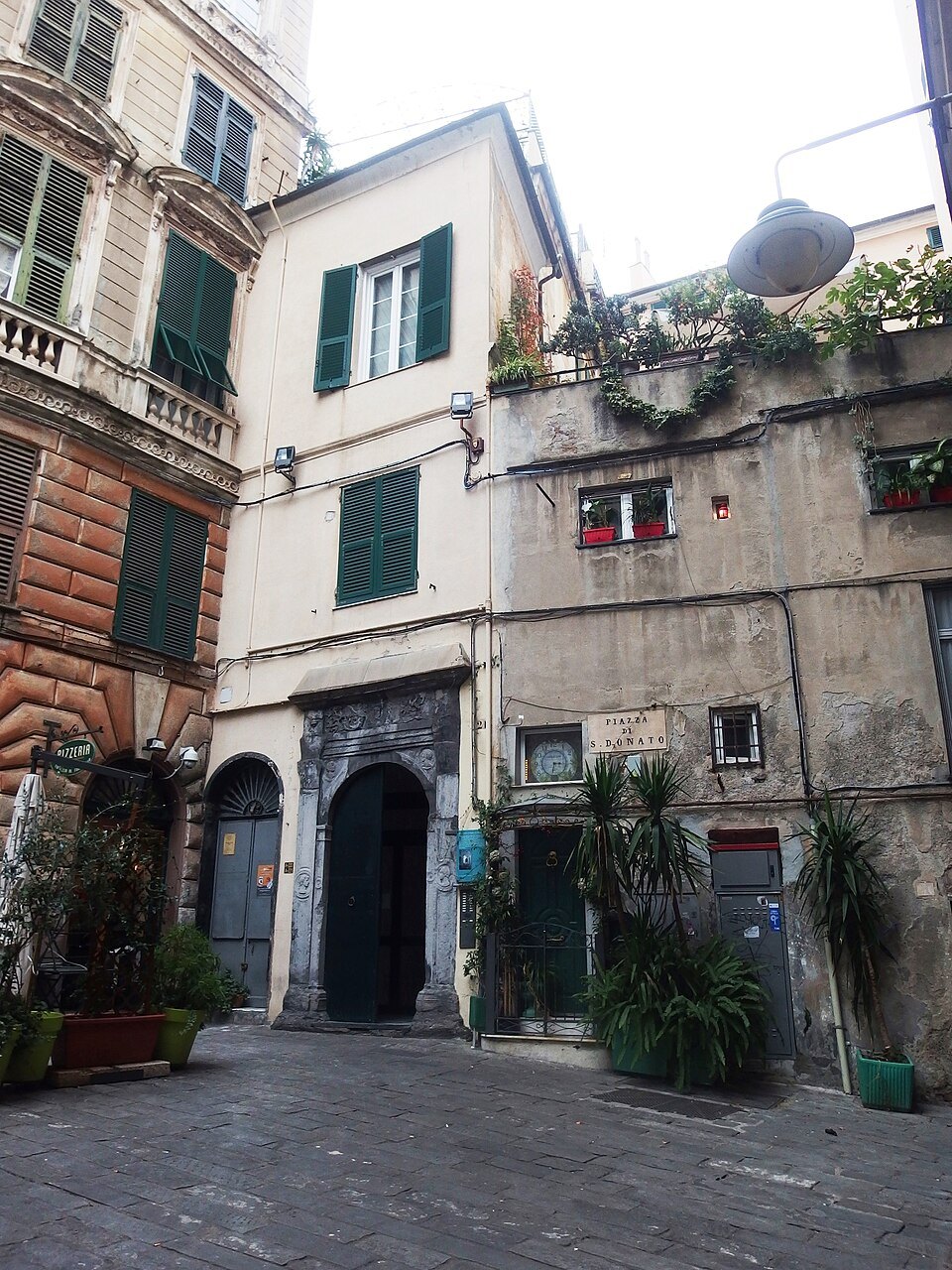
A week justifies a trip along the coast — Camogli, San Fruttuoso, Portofino — described on the day trips page, and leaves room for the weather to take a day off you.
It also lets you use the city the way residents do: a lift up in the morning, a walk along the ridge, a train to a beach in the afternoon.
Use the trains. Regional services along the coast run every few minutes and turn the whole Riviera into a suburb: a morning in the city and an afternoon on a beach is an easy day.
A longer stay also makes the weather irrelevant. Genoa in the rain is a city of palaces, galleries and arcades, and there are enough of all three to fill two wet days without repeating yourself.
With children
The aquarium, the galleon in the harbour, the submarine at the sea museum and the lifts and funiculars are a complete programme for two days and need no argument.
Break the walking with the vertical transport: children who complain about hills stop complaining when the hill is climbed by a machine with windows.
The pebble beach at Boccadasse and the rocks at Nervi are the reward at the end of a day; both are reachable by bus or train in half an hour.
Genoa is easier with children than most Italian cities: the aquarium is among the best in Europe, the transport is a novelty in itself, and there is a beach at either end of the day. The one real constraint is the stairs, which make pushchairs hard work in the old town.
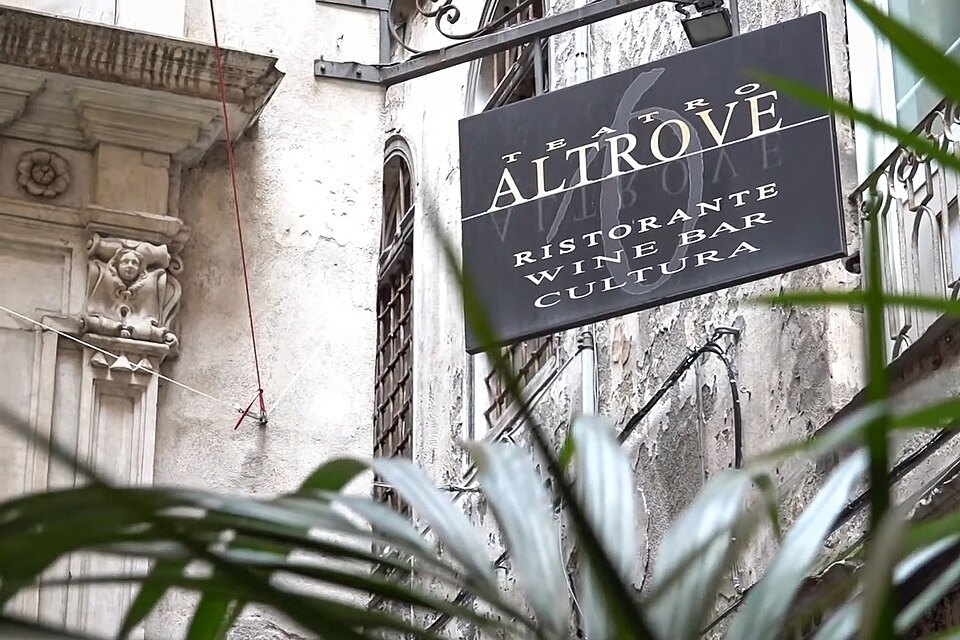
Two more practical notes: lifts and funiculars amuse children and save adults, and the harbour boat tour is three quarters of an hour of sitting down in the middle of a day of walking.
More photographs
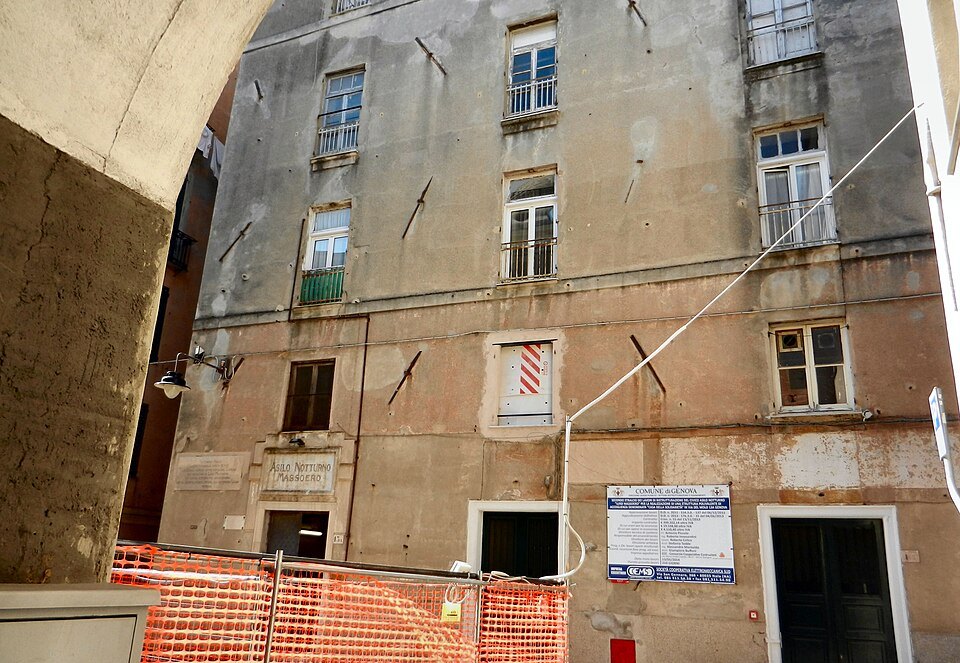
A building in the Maddalena quarter under repair, its plaster strippedBbruno, Wikimedia Commons, CC BY-SA 4.0 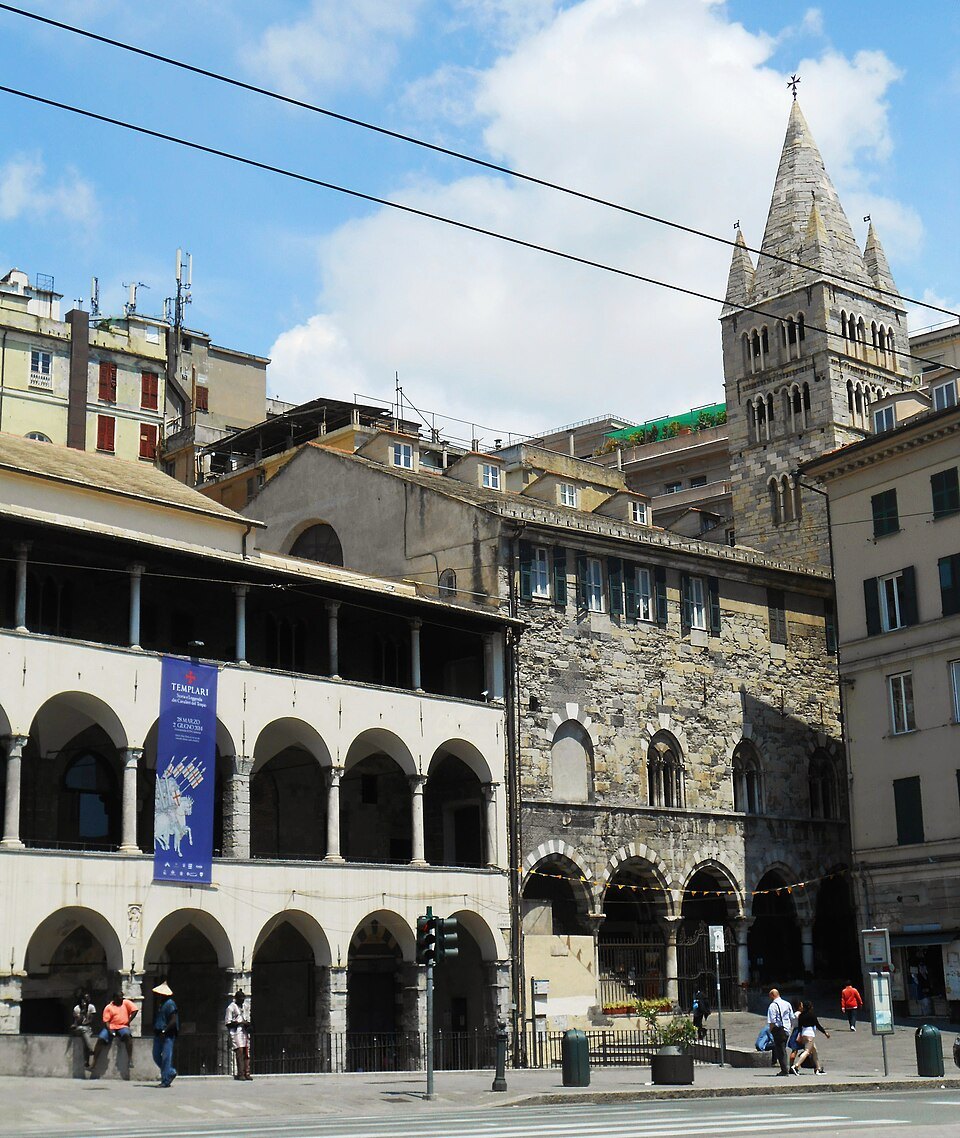
The Commenda di Prè, the medieval hospice beside the old portMarsPF2, Wikimedia Commons, CC BY-SA 3.0