The three things to learn
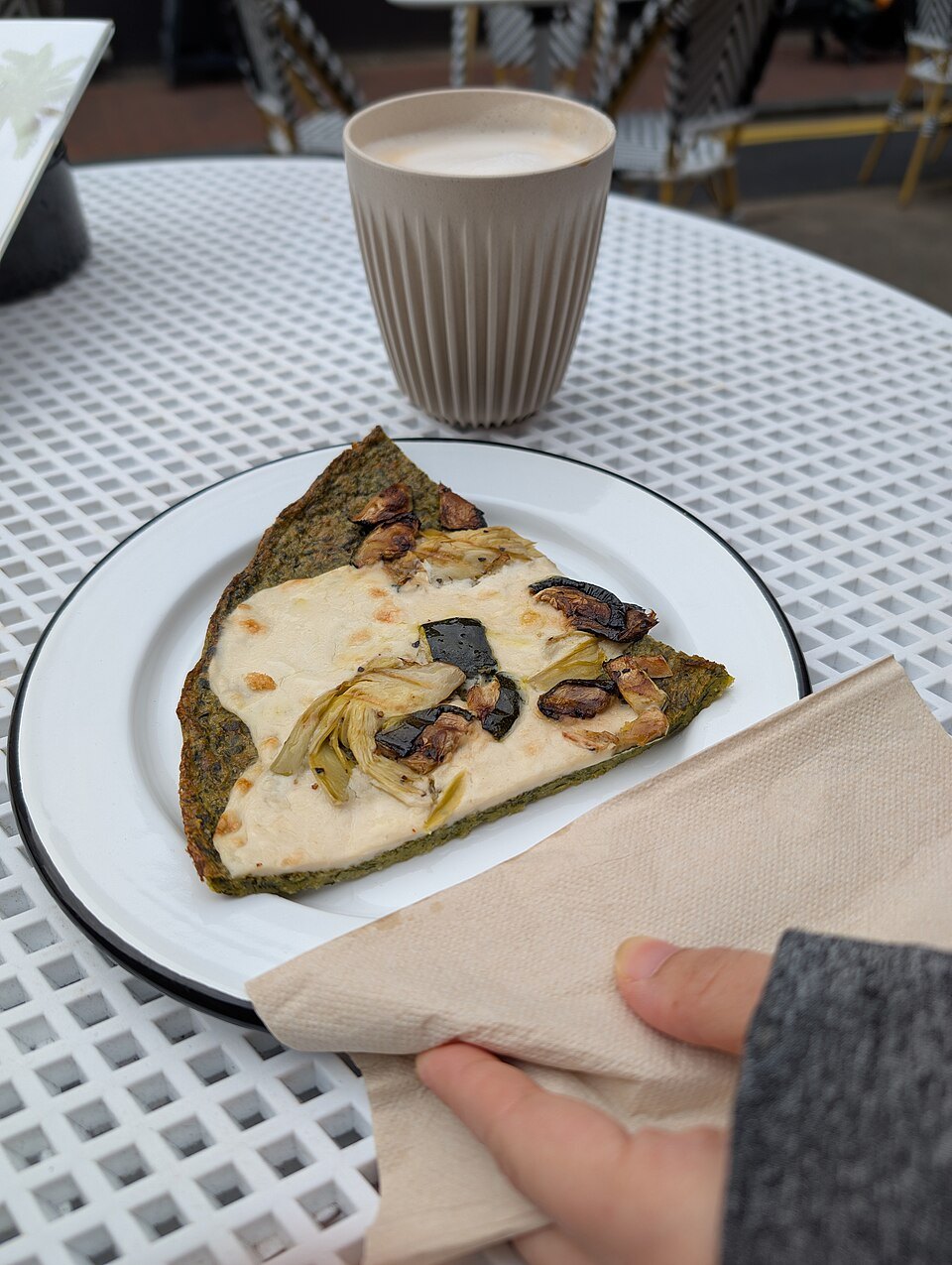
Focaccia genovese is a flat, salty, oil-soaked bread with dimples pressed into it, sold by weight in bakeries all day. Genoese eat it at breakfast, at eleven, on the way home — and the local habit of dipping it into a cappuccino is real.
Farinata is chickpea flour, water, oil and salt, poured into a wide copper pan and baked fiercely until the top blisters and the edges crisp. It is cut in wedges, peppered, and eaten with the fingers.
Focaccia col formaggio is the third and the richest: two almost transparent sheets of dough with soft cheese between them, baked hot so it bubbles. It belongs to Recco along the coast, and the good places in the city make it properly.
All three are cheap, all three are eaten with the hands, and none of them needs a restaurant. In a city where the famous sights are palaces, the food is resolutely the opposite: it comes from a counter and costs the price of a coffee.
Where they are sold
The old town's friggitorie and sciamadde are the places to look for. A sciamadda — the word means flamed, after the wood ovens — sells farinata, savoury pies, stuffed vegetables and fried fish over a counter, to be eaten standing or walking.
The arcade of Sottoripa, along the harbour front behind Piazza Caricamento, is the densest run of them: fryers, grocers and bars under a medieval portico, working since the port was the port.
Inland, the lanes around Via San Luca, Via di Canneto and the streets behind the cathedral have bakeries turning out focaccia in trays from early morning. The queue at eleven is the sign you want.
The Mercato Orientale, in a former convent cloister off Via XX Settembre, is the city's food hall: fish, vegetables and cheese below, and a floor of stalls cooking what is sold downstairs.
One rule covers most of it: follow the queue of people in work clothes. The good farinata counters have one at the end of the morning, and it moves quickly.
How to order
Focaccia is sold by weight. Point, say how much you want — a piece this size, roughly — and it is cut, weighed and wrapped in paper.
Farinata is sold by the slice, straight from the pan, and it is best in the first minutes after a pan comes out of the oven. If there is a wait, wait.
Both are eaten immediately and neither travels: cold farinata is a different and sadder thing.
Nobody minds a foreigner ordering badly. Pointing works, and the word to know is due, two — the quantity most locals buy.
Farinata is often sold alongside panissa — the same chickpea flour set firm and fried in strips — and stuffed anchovies. Both are worth ordering, and both are sold by the piece.
Sitting down instead
For a plate rather than a paper bag, the small trattorie of the old town and the hill quarters do pesto with trofie or trenette, potato and green beans in the same bowl, and often a short handwritten menu.
Look for rooms with no view. The places along the waterfront charge for the water and cook worse than the ones in a lane with nothing to look at.
Sunday lunch is the meal the city takes seriously, and the family trattorie fill. Booking a table for it is sensible even in a modest place.
What else to try
Pansoti, triangular pasta filled with wild herbs and dressed with a cold walnut sauce; the herbs are preboggion, gathered from the hillsides in spring.
Cima alla genovese, a veal breast stuffed with egg, herbs and peas, pressed and eaten cold in slices, which is the old holiday dish of the poor coast.
Torta pasqualina, a layered chard and egg pie, sold by the slice in the same shops as the farinata.
And pandolce, a dense sweet bread with raisins and pine nuts, which is at its best around Christmas but sold all year.
Anchovies deserve their own line. Salted in the villages of the western Riviera, they turn up stuffed and fried, on bread, in sauces, and marinated raw with lemon; they are the cheapest good thing on any Ligurian menu.
Pesto, and where it is real
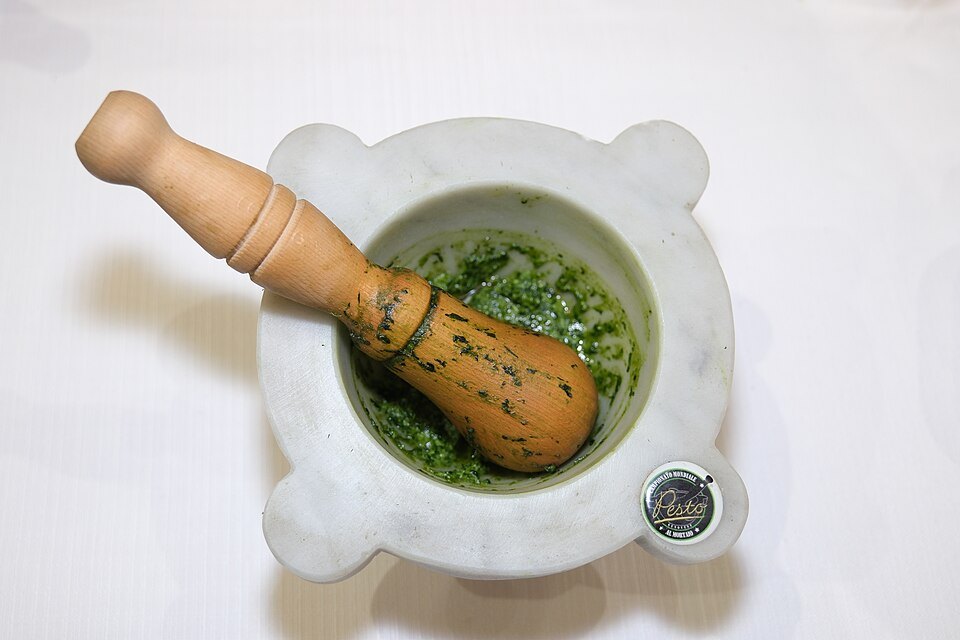
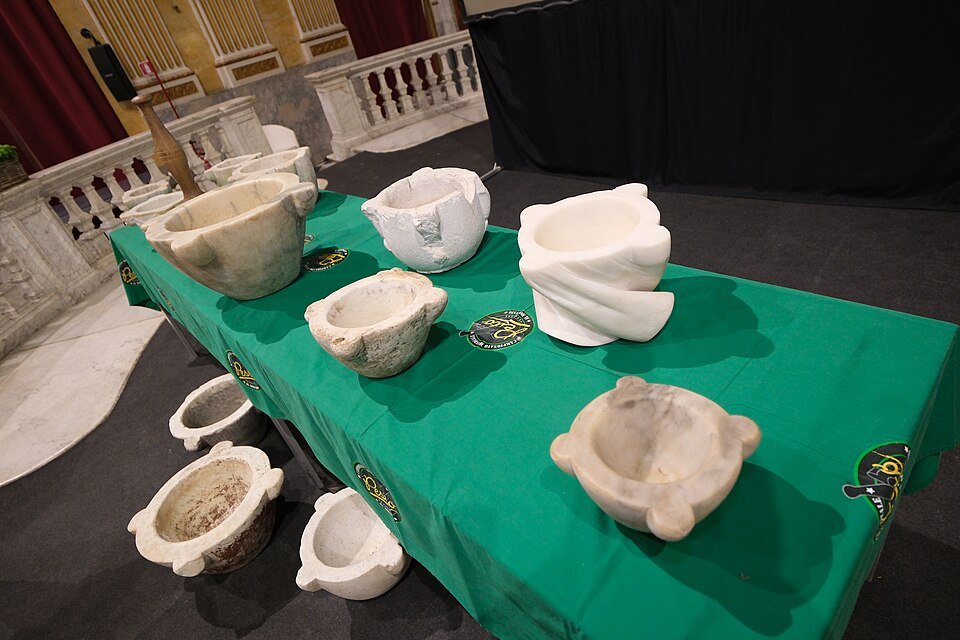
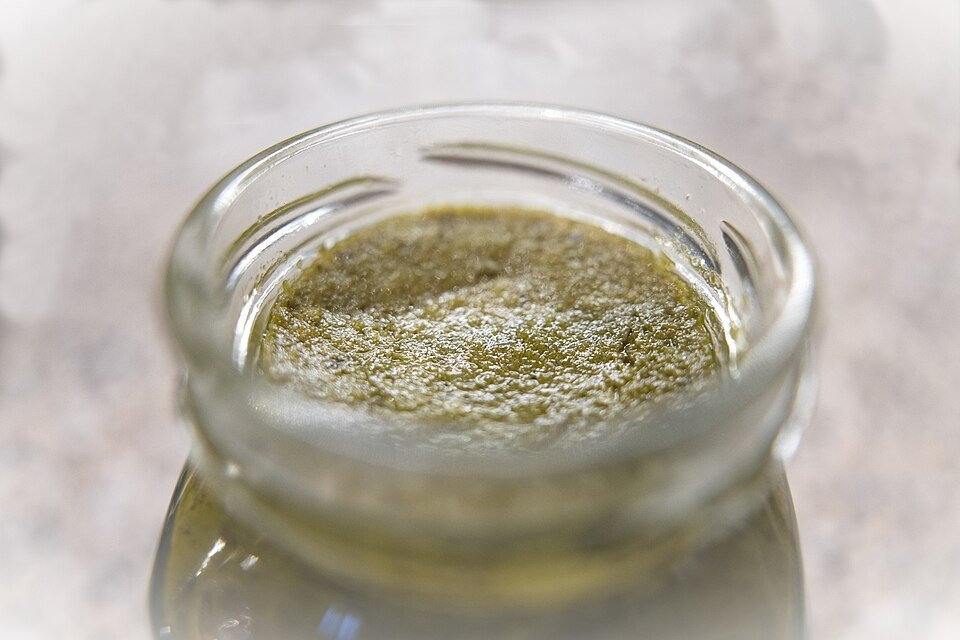
Pesto means pounded, and the version worth crossing the city for is made in a marble mortar: basil, garlic, pine nuts, hard cheese, salt and oil, never heated, never blended long enough to bruise the leaves.
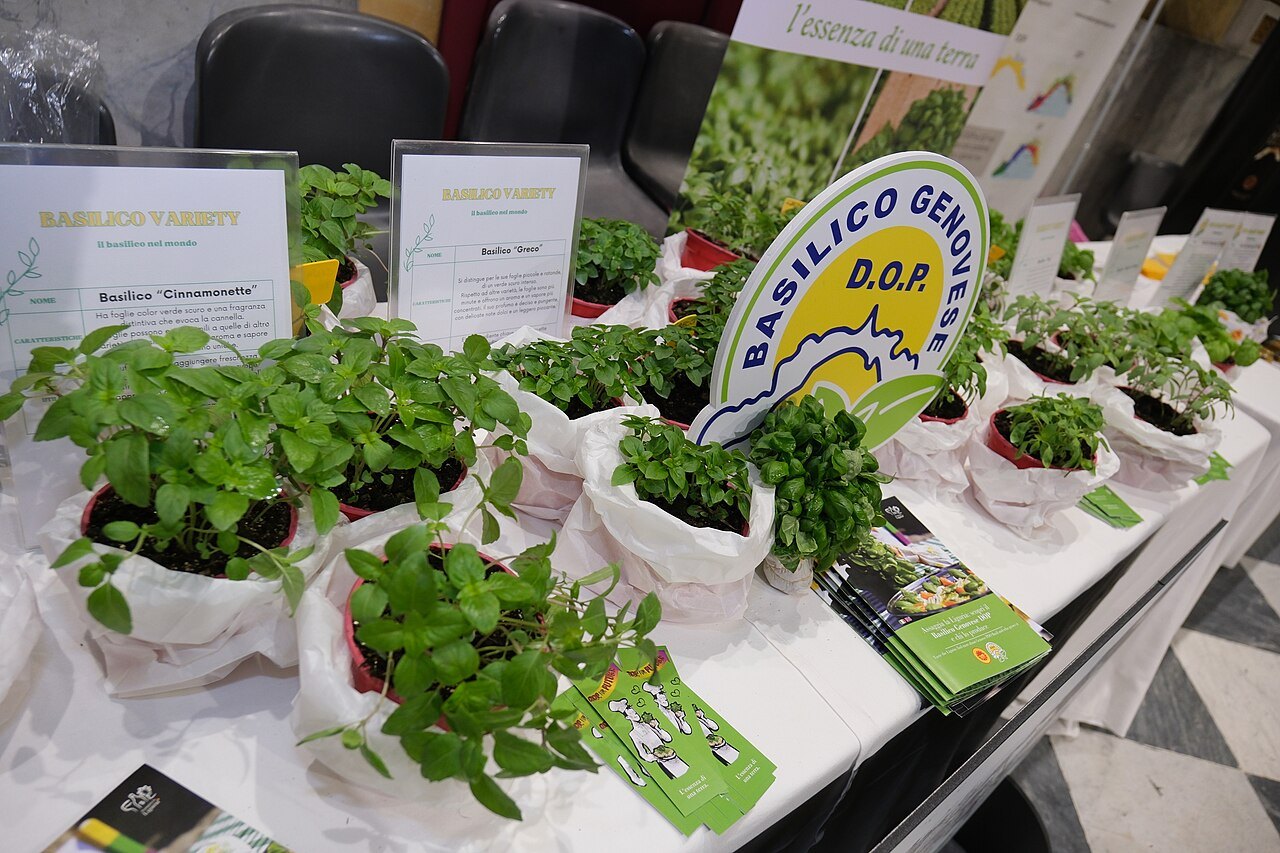
The basil is local, small-leaved and grown under glass at Prà on the city's western edge, where it has protected status. Big supermarket basil makes a different sauce.
The city holds a world championship of pesto in the mortar in the halls of the Palazzo Ducale, which says something about where the sauce sits in the civic imagination.
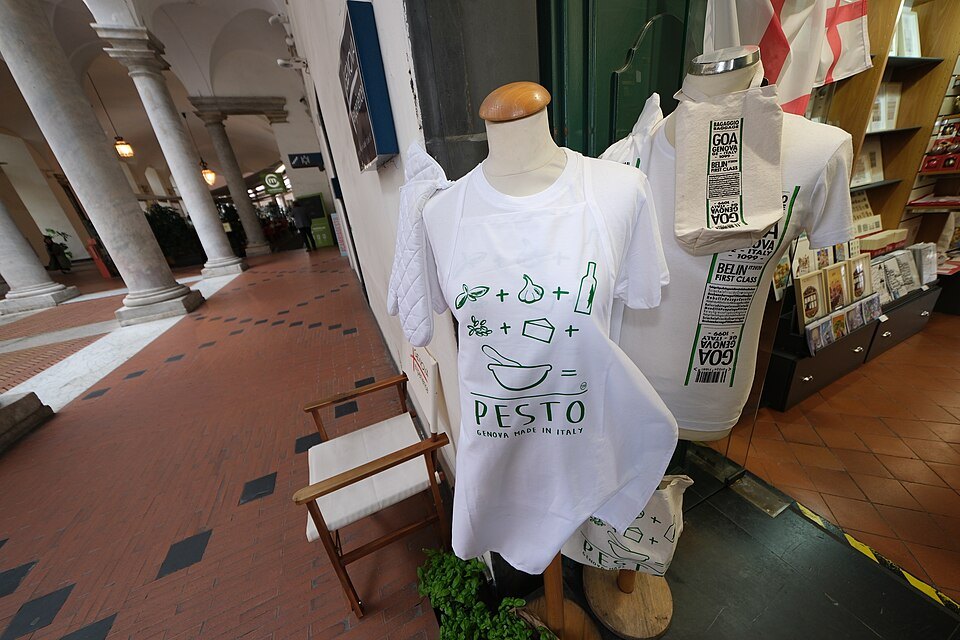
A jar is a reasonable souvenir, but fresh pesto does not travel: what is sold in tubs at the market is meant to be eaten within a day or two.
Ordering pesto with trofie and expecting no potato is a common mistake. The potato and green beans boiled in the same water are part of the dish here, not a garnish or an error.
Practical notes
Bakeries and fried-food shops work through the day; kitchens do not. Lunch is served in the middle of the day and dinner in the evening, with a long gap between.
Many small places take a rest day in the week, and a good number close for a fortnight in August when the city goes to the coast.
Prices fall sharply as you leave the waterfront — the same plate of trofie costs a fraction of its harbourside price in a back lane, and it is usually better.
More from the journal
- The CaruggiIs it safe to walk the caruggi, and which lanes should you take?Genoa's medieval quarter has a reputation. Here is what is actually true, which streets are busy and which are not, and how to walk one of Europe's largest old towns without worrying.Read the piece
- ItinerariesWhat can you see in Genoa on a six-hour cruise stop?A plan for a short day in Genoa from the cruise terminal: what is close, what is worth the walk, and what to leave for a longer visit.Read the piece