Month by month
- JanuaryCool, bright and windy, with the clearest air of the year; the city belongs to itself and the museums are empty.
- FebruaryStill cool and often sunny; Carnival passes quietly here compared with the rest of Italy.
- MarchWind and changeable weather, the first warm afternoons, and the spring Rolli Days weekend when private palaces open.
- AprilThe best month for walking: green hills, mild air, long light on the cliff paths at Nervi.
- MayWarm without heat, gardens at their best, and the sea just about swimmable by the end of the month.
- JuneSummer proper; the feast of Saint John the Baptist, the city's patron, falls on the twenty-fourth and is a public holiday in Genoa.
- JulyHot and bright, with the sea warm and the coast busy; the old town stays shaded and cool between the buildings.
- AugustThe hottest weeks, and the ones when Genoese leave for the Riviera; many small shops and trattorie shut for a fortnight.
- SeptemberThe best month of the year: sea still warm, heat gone, and the boat show filling the Fiera del Mare.
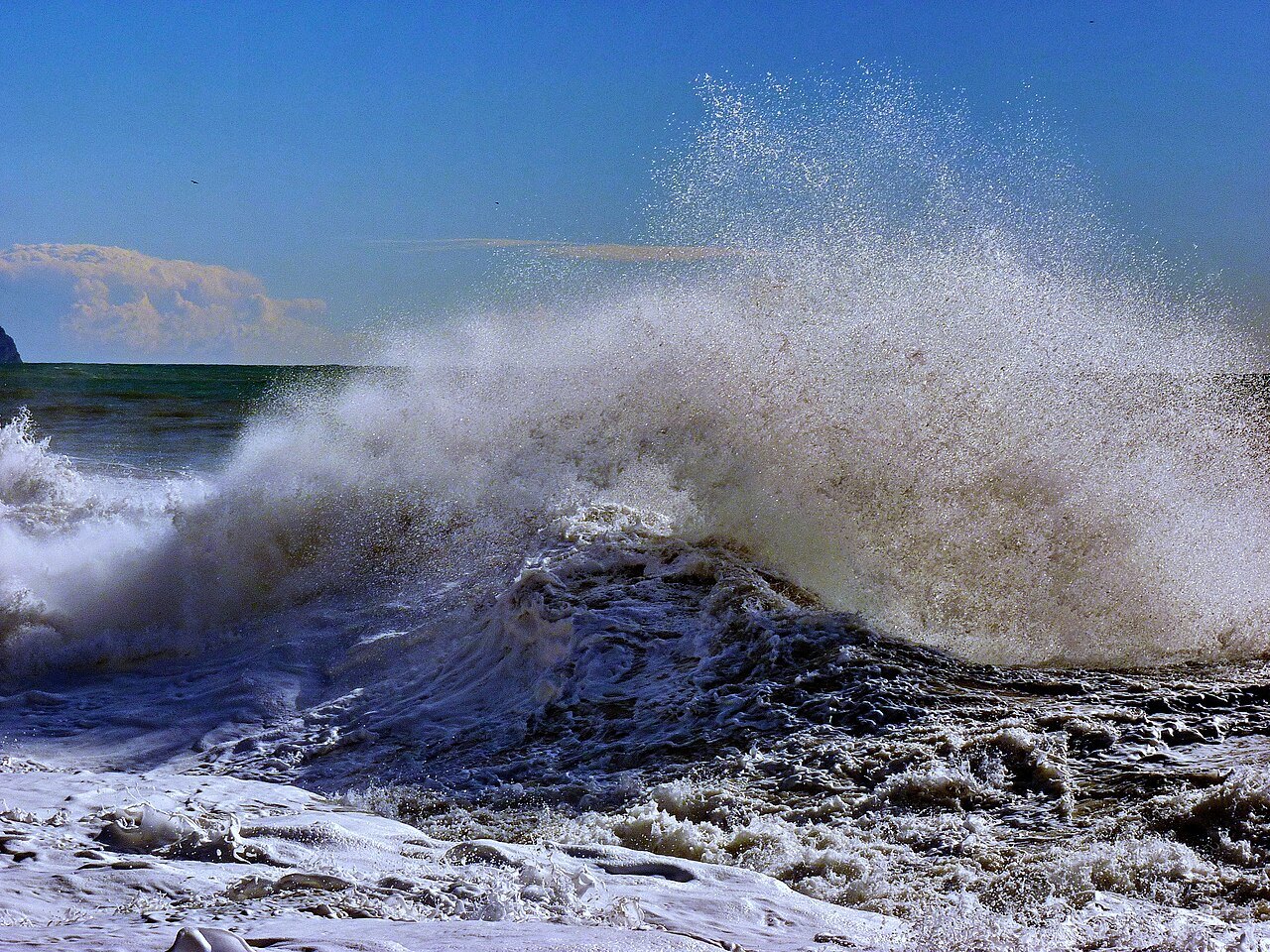
- OctoberWarm days and the first heavy rain; autumn storms are a Ligurian speciality and can be dramatic.
- NovemberThe wettest and darkest month, but also the quietest; a good time for the palaces and the galleries.
- DecemberCool, often clear, with the Christmas lights along Via XX Settembre and the old Confeugo ceremony before Christmas.
When to Come in detail
The climate in one paragraph
Genoa has a hot-summer Mediterranean climate that sits close to a humid subtropical one. The sea keeps winters far milder than inland Piedmont or Lombardy, and it also feeds the heavy rainfall the city is known for.
Sunshine totals are high — over two thousand two hundred hours a year, from about four hours a day in winter to nine in summer — but the rain, when it comes, arrives all at once in autumn convective storms.
Wind matters here more than temperature. The tramontana comes down off the mountains in winter with clear skies and cold air behind it, and the libeccio piles the sea against the coast in autumn.
Because the city faces south with mountains at its back, the weather can differ between the shore and the hills on the same afternoon: sun on Corso Italia and cloud on the ridge above the walls, or the reverse.
Humidity is the thing that catches visitors out in summer. The temperature rarely reaches the extremes of inland Italy, but the air is heavy, and the climbs that are pleasant in April are hard work in July.
Spring
March and April are the best months for walking the city. The hills are green, the cliff path at Nervi is comfortable at midday, and the stone lanes of the old town are neither cold nor stifling.
The spring Rolli Days weekend, usually in the first half of the year, opens private palaces to visitors — the one event genuinely worth planning a trip around, described on the Rolli page.
The sea is cold until late May, so spring is for walking and museums rather than swimming.
Easter fills the churches and the coast for a long weekend, and the first cruise ships of the season arrive; the old town absorbs both without difficulty.
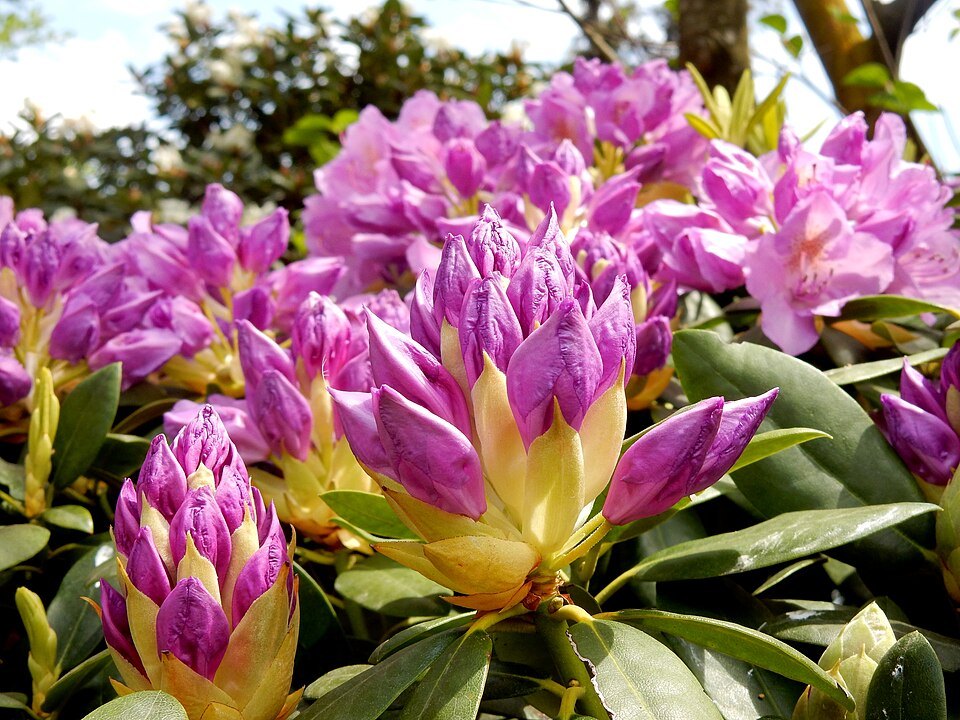
Gardens are the reason to come in April and May: the parks at Nervi, the terraces of the palaces on Via Garibaldi, and the hanging garden of the royal palace are all at their best.
Summer
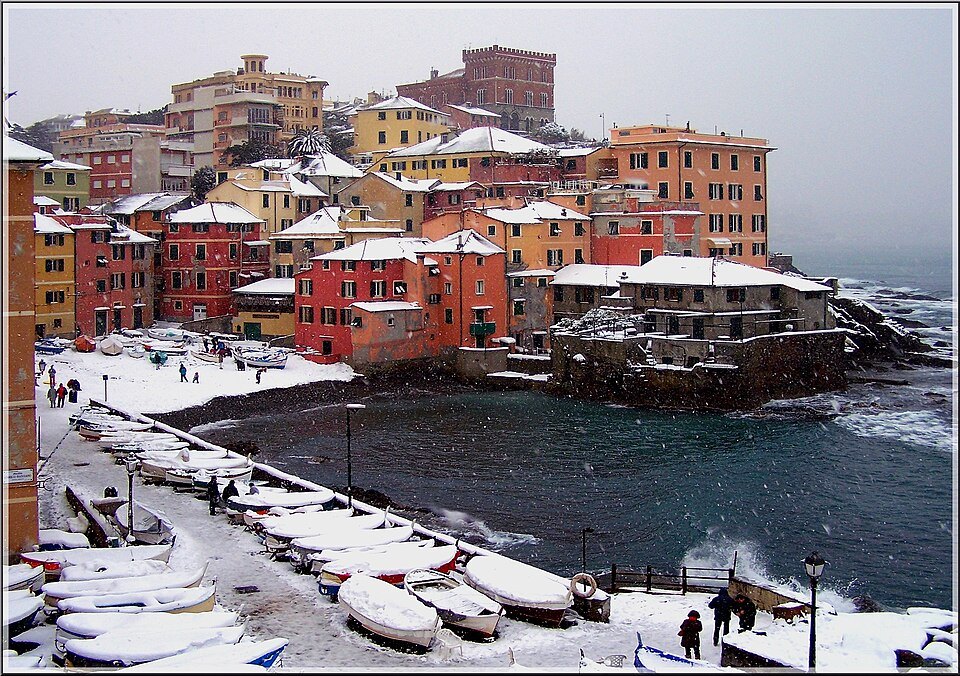
June to August is hot, bright and humid, and the city is at its most Mediterranean: the shore at Boccadasse and Corso Italia full in the evening, the lidos open, the old town shaded and comparatively cool.
August is complicated. The heat peaks, the Genoese leave for the coast, and a proportion of the small shops, bakeries and trattorie close for two weeks — the monuments stay open, the neighbourhood life thins out.
For a summer visit, plan the vertical part of the day for the morning: the funicular, the forts, the walls on the ridge. By midday the exposed ground is fierce.
Evening is when the city comes back to life in July and August. The passeggiata along Corso Italia runs until late, the lidos stay open, and the aperitivo crowd fills the small squares of the old town.
Autumn
September is the best single month: the sea is still warm, the heat has gone, the light is long, and the boat show brings the city to life without filling the old town.
October and November bring the rain. Ligurian autumn storms are serious — the city sits at the bottom of steep valleys and the rivers rise fast — and a wet day here is very wet.
That is not a reason to stay away. The palaces, the museums, the aquarium and the sea museum make a complete rainy programme, and the old town is roofed by its own height.
The boat show, in the third week of September, is one of the largest in the Mediterranean and fills the hotels; if you are coming then, book a room early or stay outside the centre.
Winter
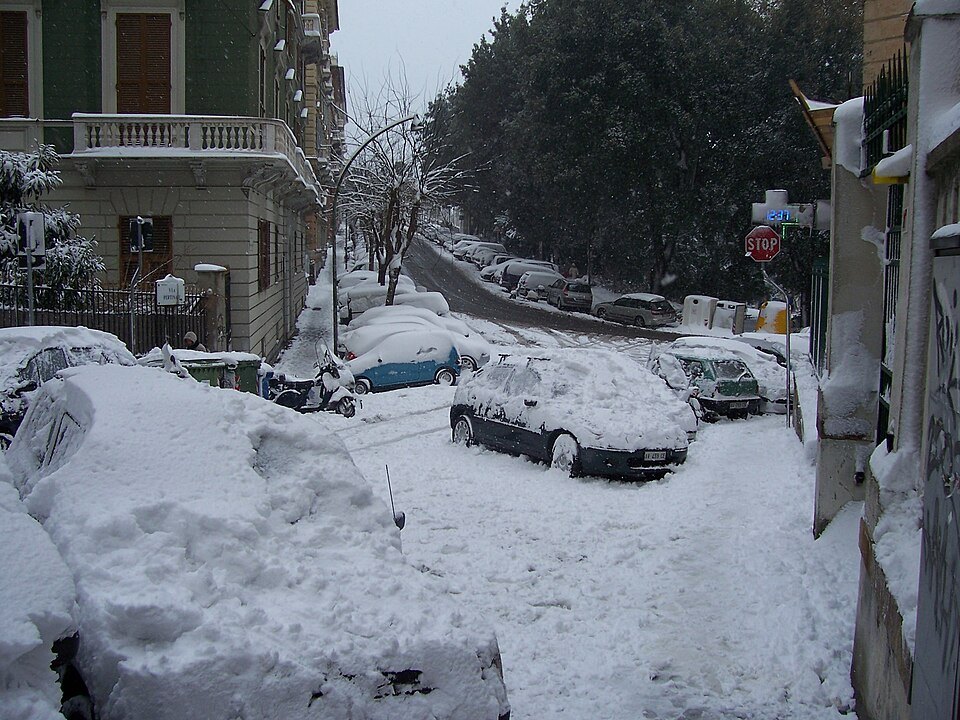
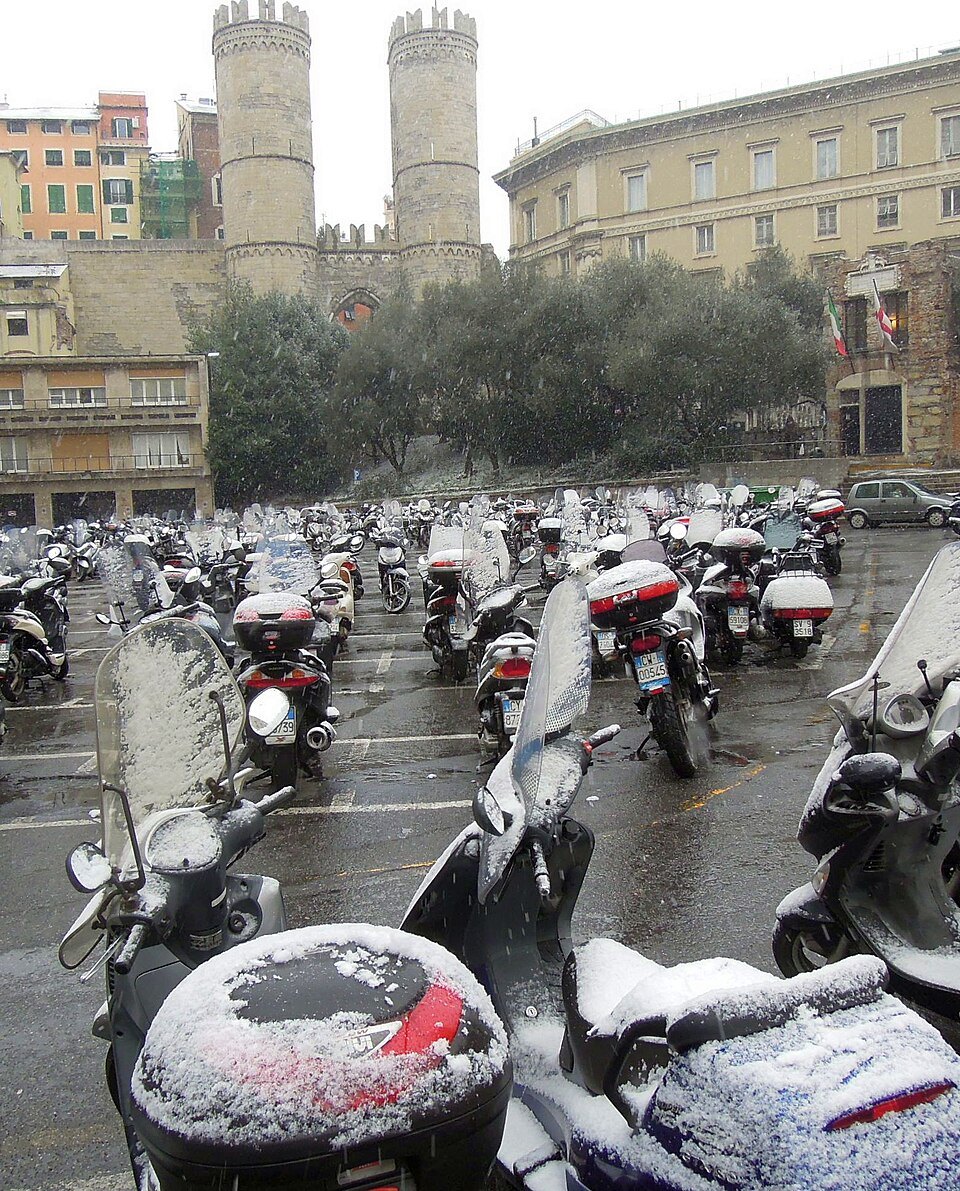
Winter is mild, bright and windy, and it is the season in which the city looks best: clear air off the sea, snow on the mountains behind, and light that reaches down into the lanes for an hour a day.
December has the Christmas lights along Via XX Settembre and the Confeugo, an old ceremony in which a laurel log is presented to the city before Christmas.
January and February are the quietest weeks of the year. Museums are empty, restaurants take bookings, and the hills behind the city are at their clearest for walking.
Christmas in Genoa is quiet by Italian standards: lights on the main streets, a nativity tradition in the churches of the old town, and the Confeugo ceremony in the square before the Ducale.
Winter is also the reliable season for the forts and the ridge walks, when the air is clear enough to see the Alps across the gulf on a good day.
Choosing
For walking and palaces: March to May, or late September to early November.
For the sea and the coast: June to September, with the first half of September the best of it.
For quiet and for interiors: December to February, accepting short days and the chance of a storm.
For events: the Rolli Days in spring or autumn, the patron saint's day in June, the boat show in September. None of them is a reason to avoid the city, and the first is a reason to choose a date.
Whenever you come, the weather changes what is worth doing rather than whether the visit works. Rain sends you into the palaces and the aquarium; wind clears the air for the forts; heat moves the day to the shore and the evening.