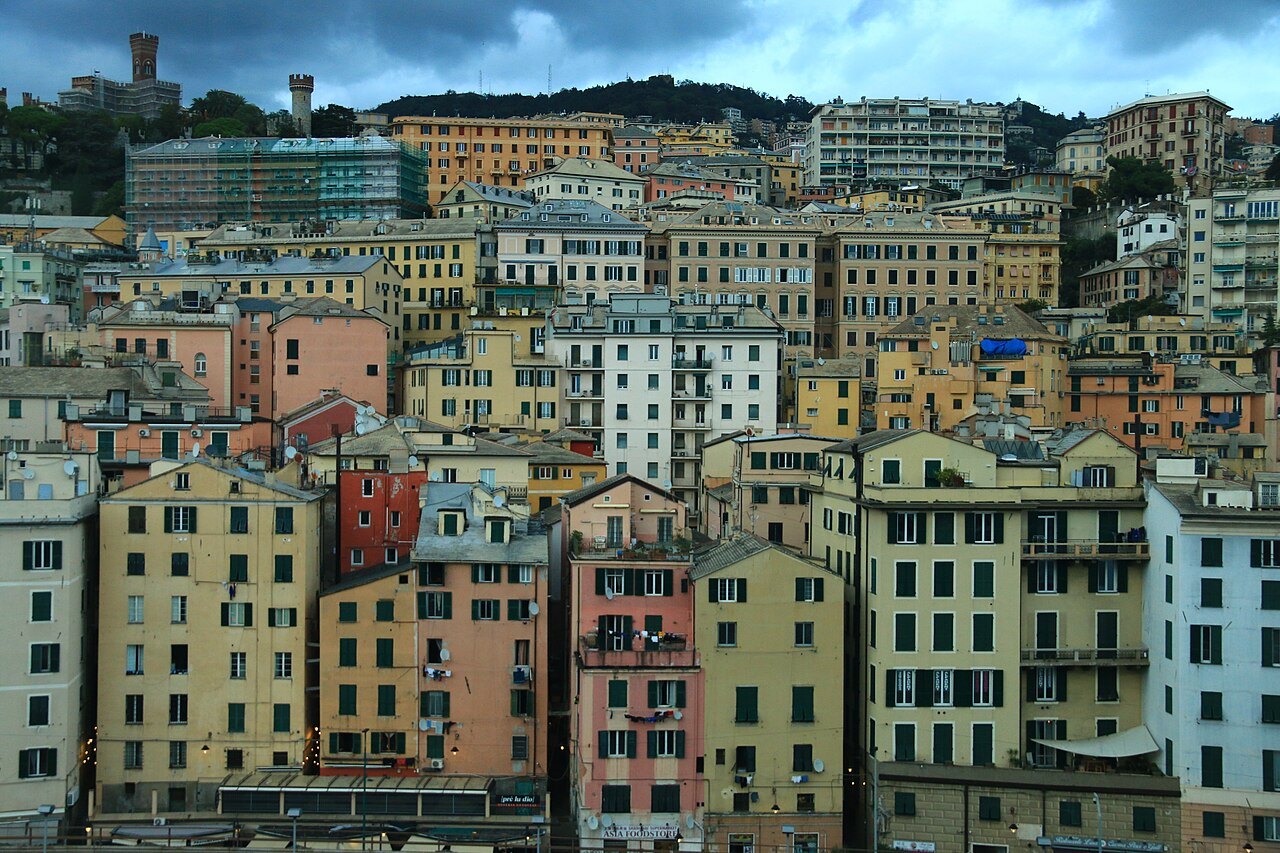
Streets worth finding in the maze
- Via San LorenzoThe straight cut from the cathedral down to the harbour, opened through the maze in the nineteenth century.
- Via San LucaThe old main street of the Spinola and Grimaldi quarter, still the busiest shopping lane in the centre.
- SottoripaAn arcade along the harbour front, dark and deep, lined with fryers, grocers and ships' chandlers.
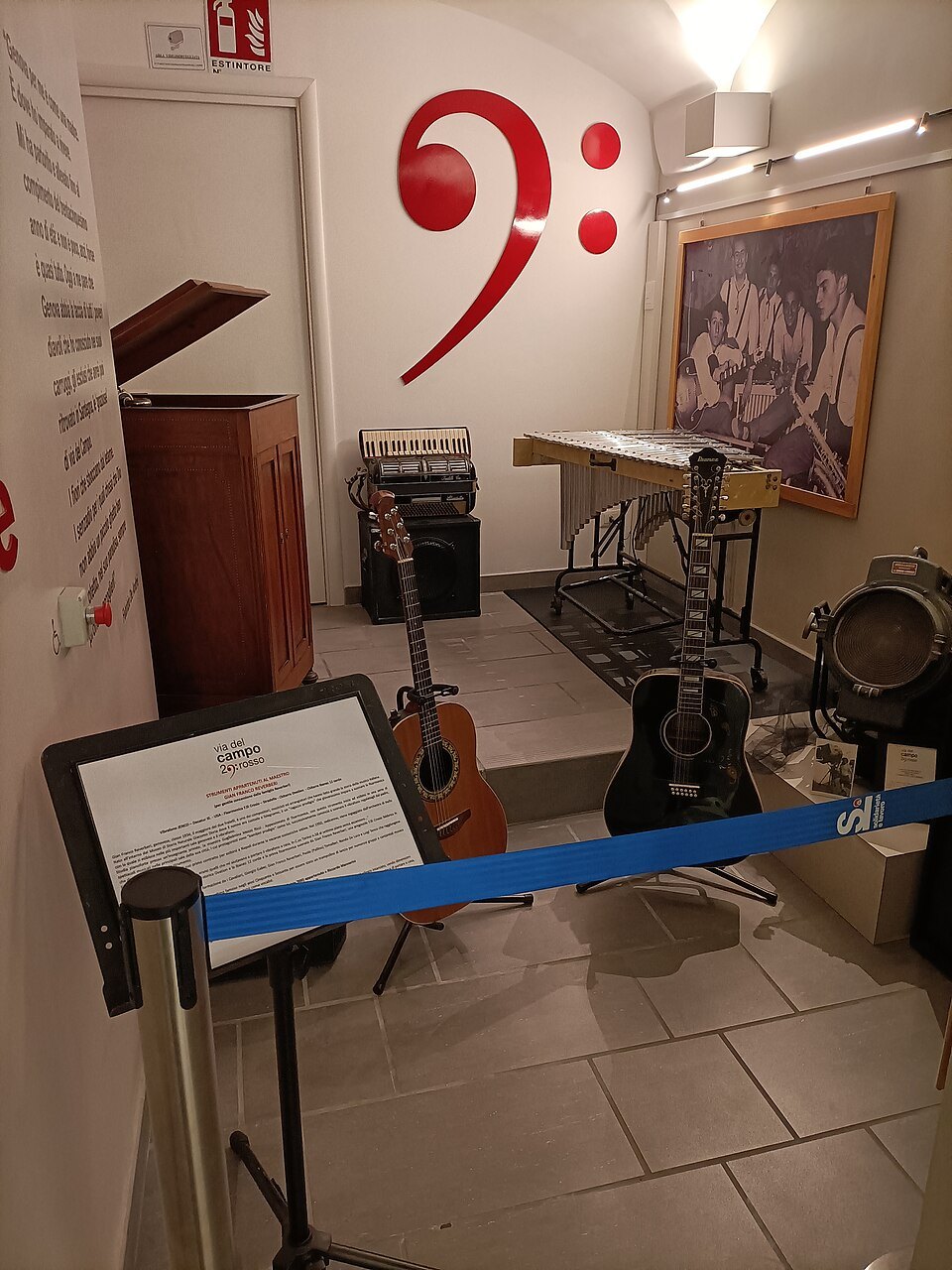
- Via del CampoA lane of pawn shops and music, made famous by the songwriter Fabrizio De André.
- Piazza BanchiThe old exchange square, with a church raised above shops so the rents could pay for it.
- Via di PrèThe sailors' street behind the port, long, narrow and the most North African quarter of the city.
- Piazza delle ErbeA small square of bars east of the cathedral, where the evening crowd collects.
The Caruggi in detail
What a caruggio is
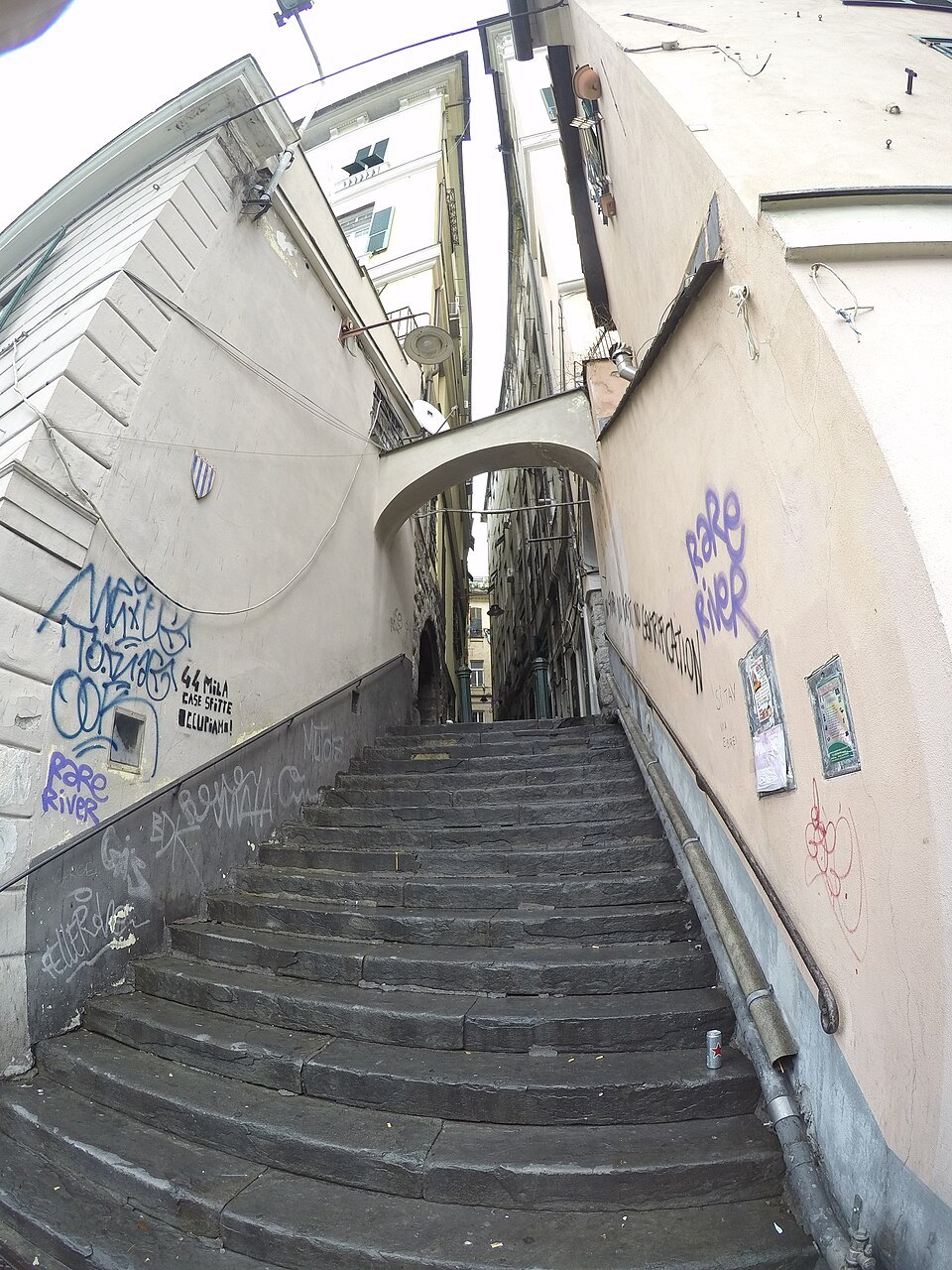
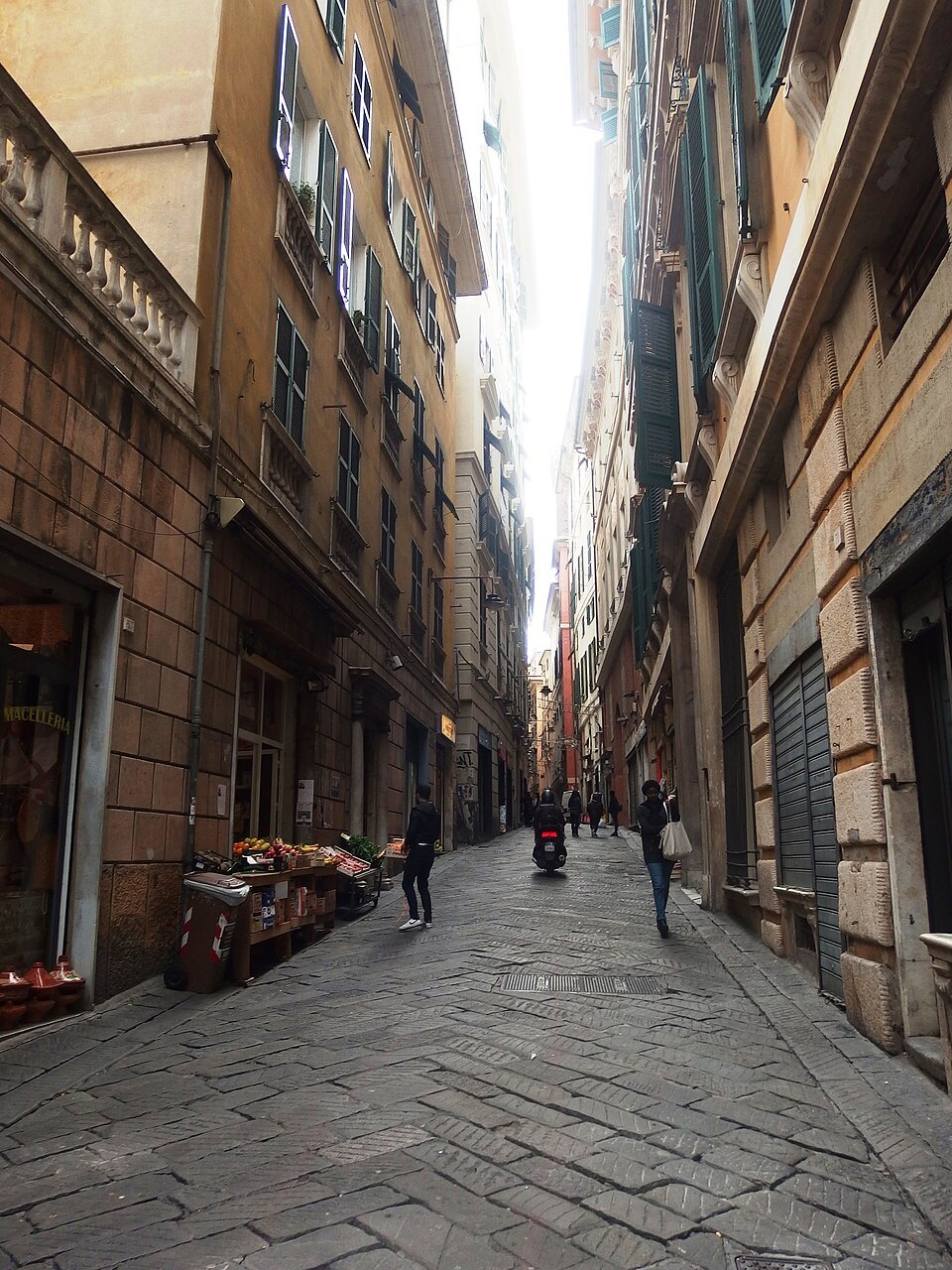
Caruggio is the Genoese word for a lane, and in this city it means something specific: a street two or three metres wide, walled by buildings six or seven storeys high, running between the port and the ridge without a straight line anywhere in it.
The word comes from the Latin quadruvium, a crossing of ways, and it is used all along this coast; every Ligurian town has its caruggi, and each has a caroggio drittu, the straight one, which is the main street.
The pattern is medieval and deliberate. Land inside the walls was scarce and expensive, so the city built upward and packed the plots together, leaving only enough space between them for people and mules.
The result is a quarter that behaves like a single building: shade in summer, shelter in winter, and a microclimate of cooking, salt and damp stone that is the first thing a visitor notices.
Nothing about the density is accidental either. The republic taxed frontage, families built tall and narrow to pay less of it, and the same logic produced the tower houses whose stumps are still visible in the walls of later buildings.
How to walk them
There is no route and no need for one. The old town is roughly a kilometre across, bounded by the harbour below, Via Balbi to the west, the hill to the north and Via XX Settembre to the east, and any walk across it will take half an hour and three wrong turnings.
Three straight streets cut the maze and will always get you out: Via San Lorenzo from the cathedral to the water, Via San Luca running north to south through the middle, and Via Balbi to the west.
Below the lanes lies the harbour, above them the nineteenth-century city. If you are lost, walk downhill and you reach the sea; walk uphill and you reach a boulevard with buses on it.
Look up as you go. The doorways carry carved slate lintels — black stone cut with saints, coats of arms and dates — and the upper floors have shrines set into the corners, lit at night, at the junctions where the lanes cross.
The lanes were laid out for mules and hand-carts, and deliveries in parts of the old town are still made that way, with trolleys and shoulders. In the mornings they are full of cardboard, crates and the noise of shutters.
The best hours for photographs are early, when the light comes down the lanes from the east, and just after rain, when the slate paving turns black and reflects the shopfronts.
What is in them
This is not a preserved quarter. It is where people live, and the ground floors are workshops, bars, grocers, hairdressers, African and Ecuadorian shops, ships' chandlers and one or two survivals of an older trade: a maker of ropes, a shop that has sold dried cod since the nineteenth century.
Among them are the monuments. The cathedral is inside the maze, not beside it; so are the Doria square, the churches of Santa Maria di Castello and San Donato, and a dozen small oratories.
Sottoripa, the arcade along the harbour, is the oldest commercial street in the city and still smells of frying: farinata, fried fish and vegetables, sold to be eaten standing up.
Piazza Banchi, a few steps inland, was the financial centre of the republic. Its church, San Pietro in Banchi, was built above a row of shops in the sixteenth century so the rents could pay for the building — a very Genoese solution.
Via del Campo, at the western end, is a lane of pawnbrokers and second-hand shops that Fabrizio De André wrote about in the nineteen-sixties; a small museum at number twenty-nine keeps his guitar and the memory of the song.
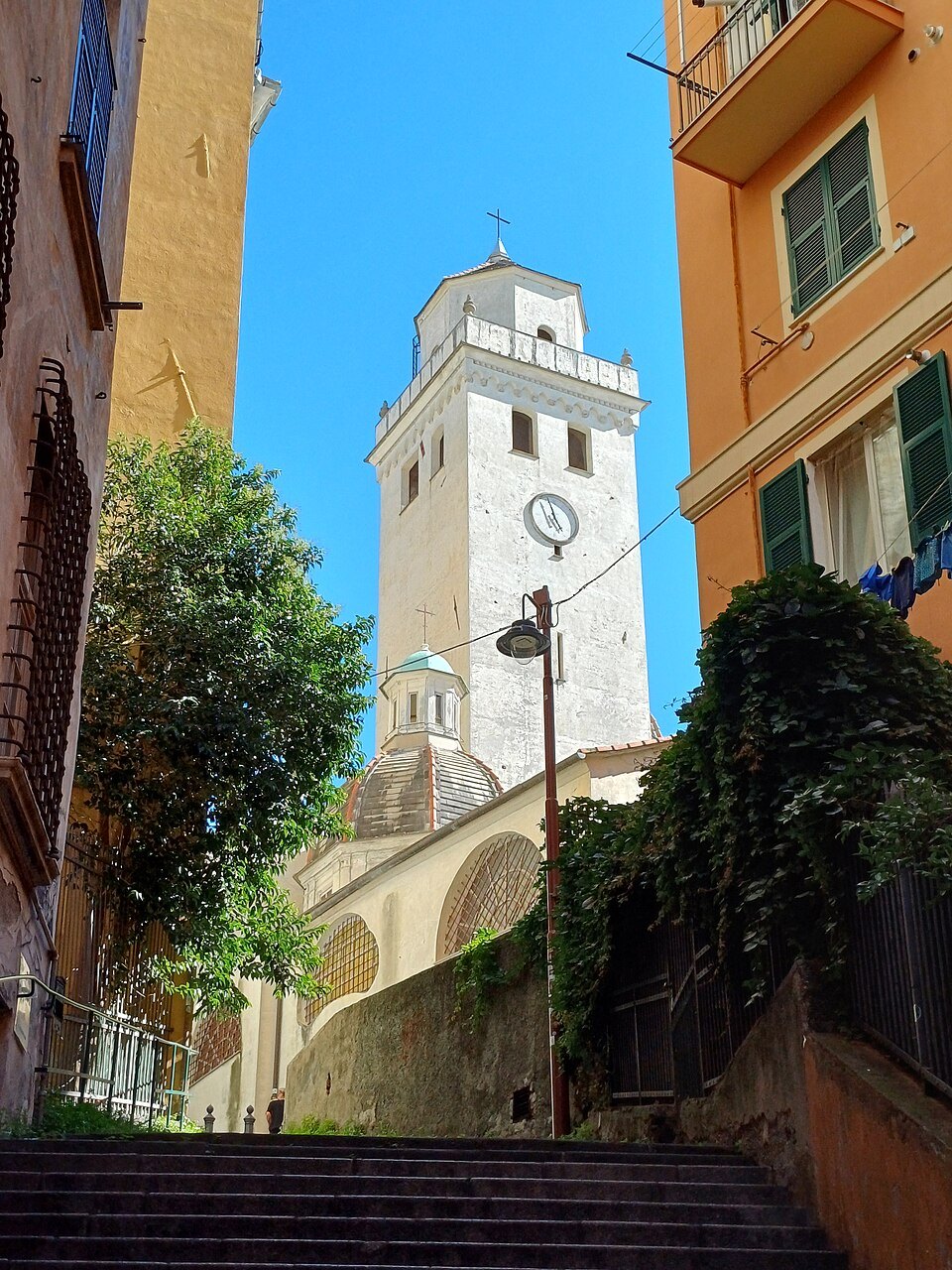
Churches here are hidden in the same way as everything else: plain doors in a wall, a step up from the lane, and a gilded interior inside. Santa Maria di Castello, on the hill above the port, keeps a cloister, frescoes and a collection of models of ships left as thank-offerings by sailors.
Safety and manners
The old town's reputation is worse than the reality, but it is not uniform. The lanes around Via San Luca, Piazza Banchi and the cathedral are busy into the night. The area west of Via del Campo and around Via di Prè and the Ghetto is poorer, has a visible drug and prostitution trade, and is best walked in daylight.
Ordinary care is enough: bags closed, phones away, and the busier lanes after dark. Violent crime against visitors is rare; pickpocketing in the crowded streets is not.
It is a residential quarter. Voices carry between the walls, and shouting up at night is noticed by two hundred people trying to sleep.
Shopkeepers are used to lost visitors and will point. A word of Italian helps, and in this quarter so does patience: the lanes belong to the people who live in them, and a stranger with a camera is a guest.
When to go
Morning, for the shops opening, the deliveries by hand-cart and the light falling in vertical slots between the buildings.
Early evening, for the aperitivo crowd in Piazza delle Erbe and Piazza San Donato, when the lanes fill and the shutters come down on the shops.
Avoid the middle of the afternoon in summer, when everything closes and the alleys empty; and remember that many small churches shut for several hours in the middle of the day.
More photographs
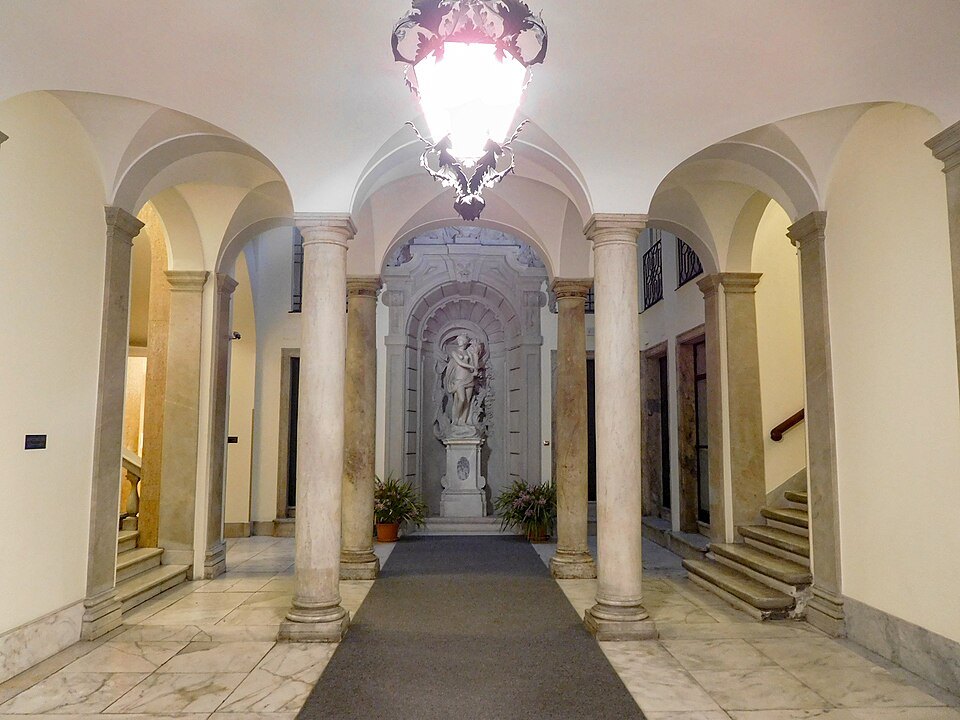
The vestibule of Palazzo Salvago on Via San Luca, looking through to the stairSuperchilum, Wikimedia Commons, CC BY-SA 4.0 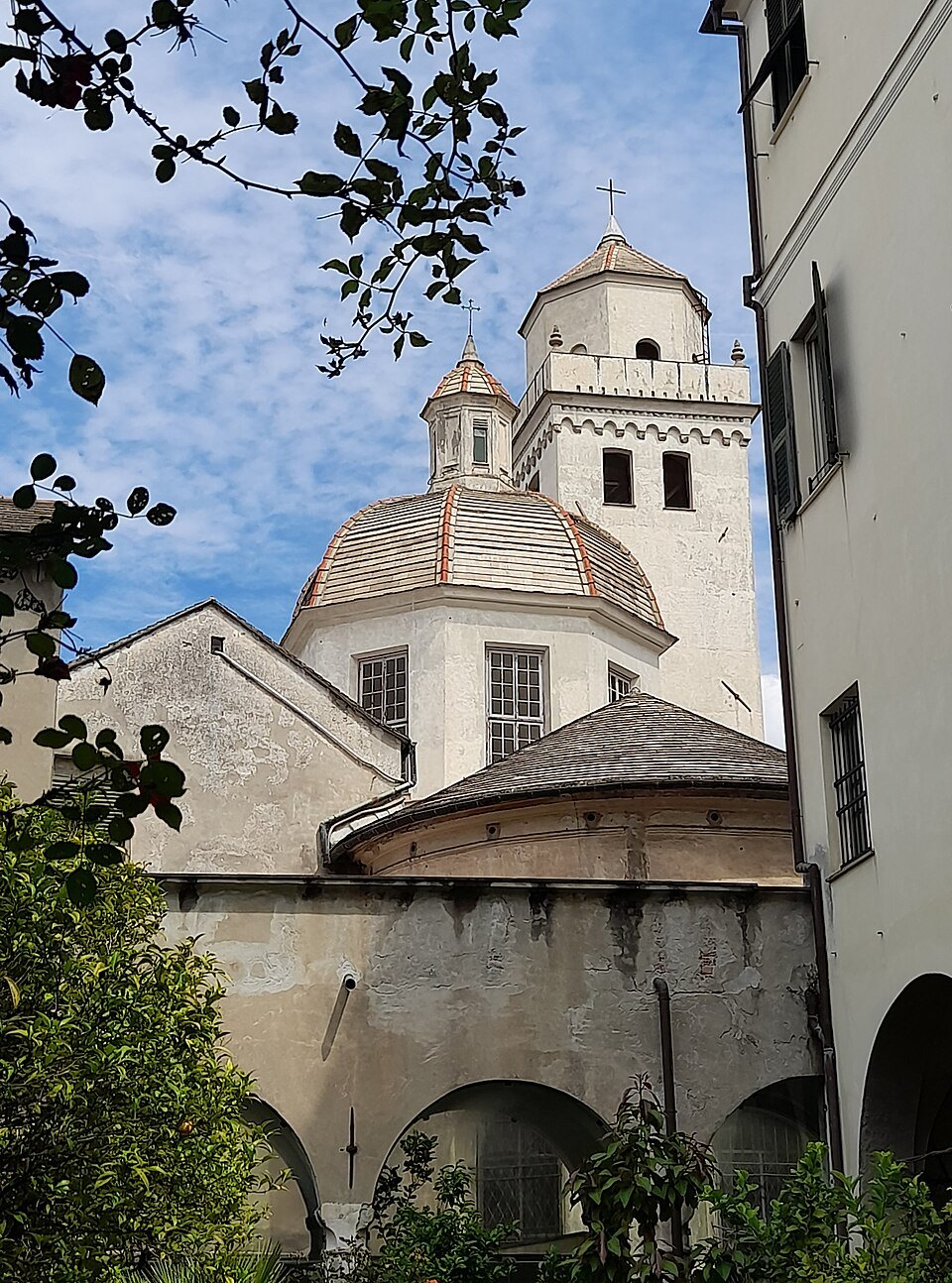
Santa Maria di Castello, its tower and dome above the lanesBetti1955, Wikimedia Commons, CC BY-SA 4.0