Where the ship puts you
Cruise ships dock at Ponte dei Mille, immediately west of the old town and beside the ferry terminal. It is one of the most convenient cruise berths in the Mediterranean: you are a fifteen-minute walk from the cathedral and five minutes from a metro station.
That changes the arithmetic of a short call. In most ports half the day goes on a transfer; here, none of it needs to.
The two things to know before you set off: the old town is a maze of alleys with no through roads, and the city climbs steeply behind it. Plan to walk, and plan to use a lift rather than a hill.
Check one thing before you leave the ship: which berth you are at. Ponte dei Mille is the walkable one. Ships at the far western terminals run a shuttle to the port gate, and that changes the timings below by twenty minutes each way.
Some links on this page are affiliate links. If you book through one we may earn a commission, at no extra cost to you. It does not affect what is recommended here, and no sight page on this site carries one.
Somewhere to leave bags on a day visit, and mobile data for tickets and maps.
The short version
Walk east along the waterfront to the Porto Antico, the rebuilt docks with the aquarium and the sea museum. Fifteen minutes, flat, with the port on one side.
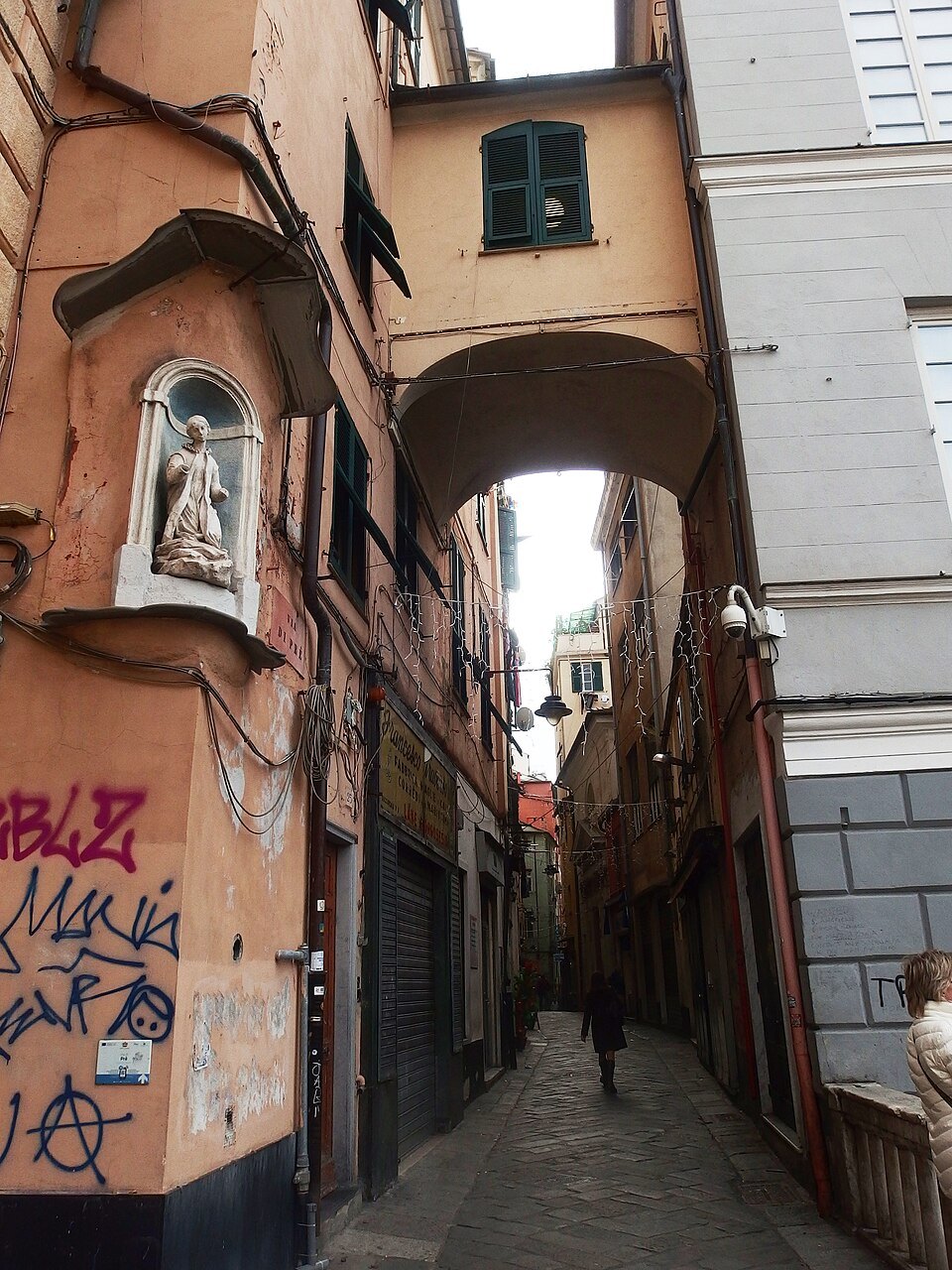
Turn inland at Piazza Caricamento, through the arcade of Sottoripa, and climb the lanes to the cathedral of San Lorenzo. Ten minutes, and the first proper taste of the caruggi.
From the cathedral to Piazza De Ferrari and the courtyards of the Palazzo Ducale, which can be walked through without a ticket. Another ten minutes.
Then up: from Piazza del Portello the public lift climbs to the terrace at Castelletto in under a minute, and the whole city is laid out below you. Walk back down the stepped lanes to Via Garibaldi.
Finish on Via Garibaldi itself, the street of palaces, with time for one of the three museums if the ship allows.
That route is about four kilometres in total with two short climbs, and it takes three hours at a walking pace with stops. It leaves a comfortable margin on a six-hour call and takes in the port, the medieval city, the palace square and the view from above.
If the weather is poor, reverse it: the museums and the arcades first, the terrace last, since the view is the part the rain spoils.
If you would rather see one thing properly
The aquarium takes two hours and is on the quay, ten minutes from the ship. With a timed ticket it is a comfortable half-day and leaves time for the old town afterwards.
The three Strada Nuova museums on Via Garibaldi — Palazzo Rosso, Bianco and Tursi — share a ticket and can be done in two hours. Palazzo Rosso's roof terrace is the view most people miss.
The Galata sea museum, at the western end of the old port, is nearer the ship than either and includes a submarine moored alongside.
Whichever single thing you choose, buy the ticket online before you dock. It costs nothing extra and removes the only queue in the city worth worrying about.
What not to attempt
Do not try to reach Portofino or the Cinque Terre on a short call. The train takes an hour and a half each way to the Cinque Terre, and the margin for a late return is not worth it.
Do not book a hop-on bus for the old town. The lanes are too narrow for buses, and the parts of the city a bus can reach are the parts you least need to see.
Do not plan on driving anywhere. The restricted-traffic zone, the viaducts and the parking make a car pointless for a day.
Staglieno cemetery and the forts above the city are both wonderful and both half-days in their own right; leave them.
Eating in the time you have
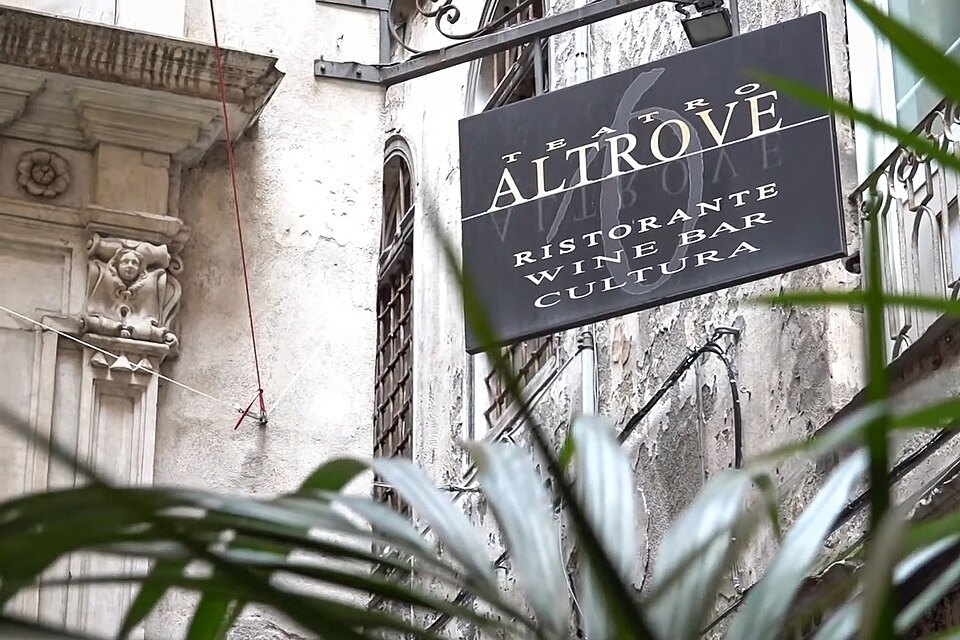
The city's own fast food is the answer: farinata, focaccia and fried vegetables and fish, sold by the slice in the sciamadde of the old town and in the arcade of Sottoripa on the way back to the ship.
If you want to sit down, the small trattorie of the lanes serve pesto in twenty minutes. The restaurants with harbour views take longer and cook worse.
Coffee is quicker standing at the bar, as everywhere in Italy, and costs less.
A word about timing: Italian kitchens serve lunch in the middle of the day and then stop. If your call runs into the afternoon, eat early or eat standing up.
Getting back on time
Distances are short but the ground is not flat, and it is easy to lose twenty minutes going the wrong way in the alleys. Allow half an hour to return from anywhere in the old town.
The metro is the safety net: from De Ferrari or San Giorgio it is a few minutes to Principe, and the terminal is a short walk from there.
If your ship is berthed further west toward the container terminals, ask at the gangway how long the shuttle takes, and take that off your day rather than off your margin.
One more safety net: taxis wait at Piazza De Ferrari, at the cathedral end of Via San Lorenzo and outside both stations, and the run back to the terminal is short. It is the cheapest insurance on a tight call.
The honest summary
Six hours is enough to see the harbour, the cathedral, the palace square, the terrace above the roofs and one museum — a real day, not a sampler.
It is not enough to see the coast, the forts or the cemetery, and trying will spoil what you can do.
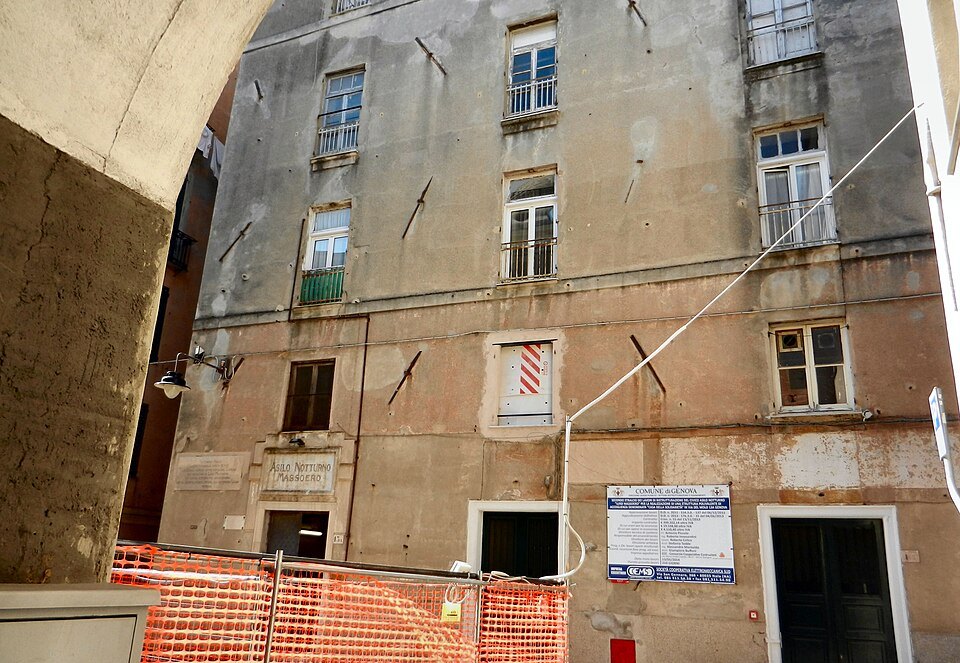
Genoa rewards being walked slowly in a small area. On a short call, do less and look harder.
More from the journal
- Getting AroundWhich of Genoa's lifts and funiculars are actually worth riding?Genoa runs ten public lifts, two funiculars and a rack railway on the ordinary bus ticket. Here is what each one is for, which are worth a detour, and how to use them.Read the piece
- The Aquarium of GenoaIs the Aquarium of Genoa worth the ticket, and when should you go?What is actually inside Italy's largest aquarium, how long it takes, how to avoid the queue on the quay, and the one part of it visitors argue about.Read the piece