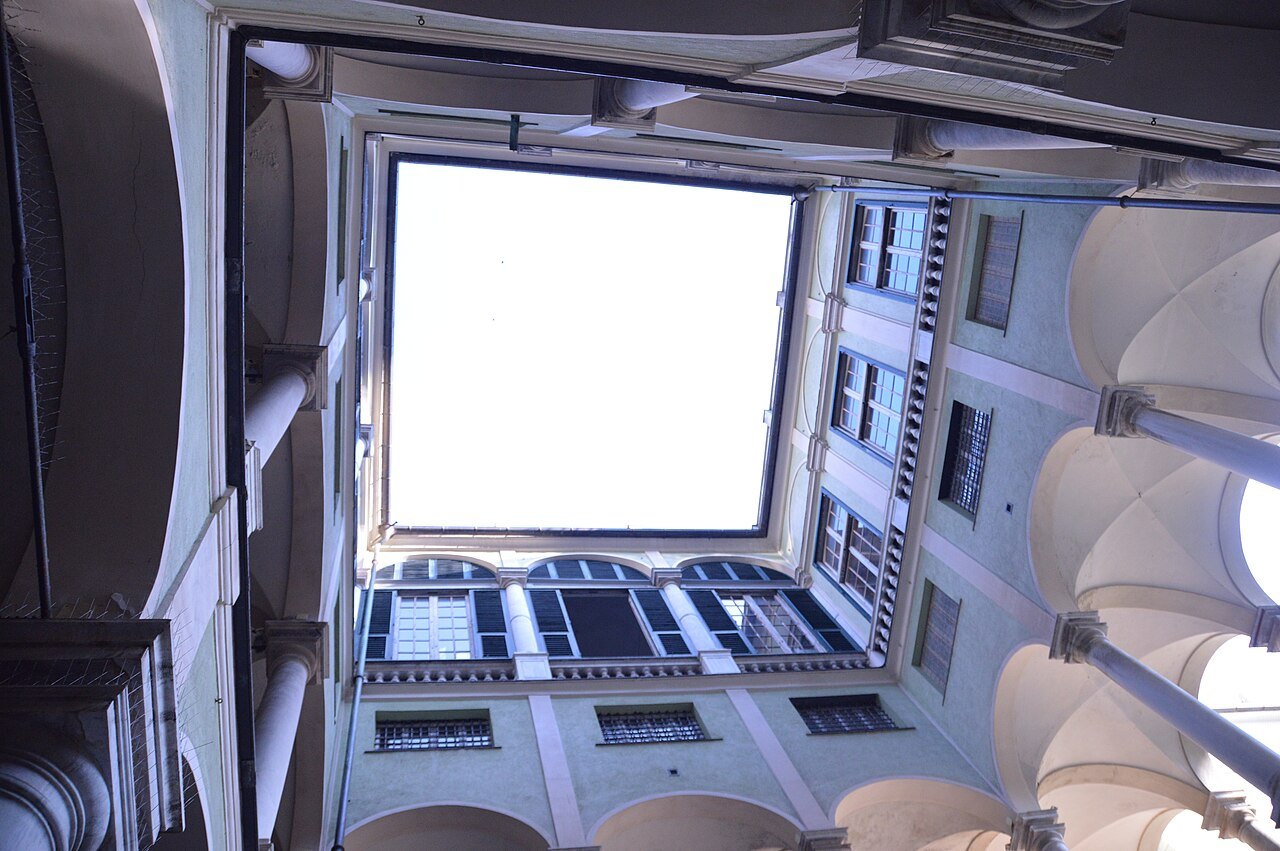
Which palaces open their doors
- Palazzo RossoVia Garibaldi — A furnished house museum with Van Dyck portraits and a roof terrace over the old town.
- Palazzo BiancoVia Garibaldi — The city's picture gallery, strong in Flemish and Genoese painting.
- Palazzo Doria TursiVia Garibaldi — The city hall, holding Paganini's violin and the civic collections.
- Palazzo RealeVia Balbi — The royal palace, with its mirrored gallery and hanging garden over the port.
- Palazzo Spinola di PellicceriaOff Via San Luca — A national gallery kept as a furnished palace, in a lane of the old town.
- Palazzo Nicolosio LomellinoVia Garibaldi — Famous for its garden nymphaeum and frescoed rooms, open on set days.
- Palazzo della MeridianaSalita San Francesco — A sixteenth-century palace on the hill, with a sundial on its front.
The Rolli Palaces in detail
What the rolli were
Genoa was a republic without a prince, and that created a diplomatic problem: when an emperor, a cardinal or an ambassador arrived, there was no palace of state to put them in.
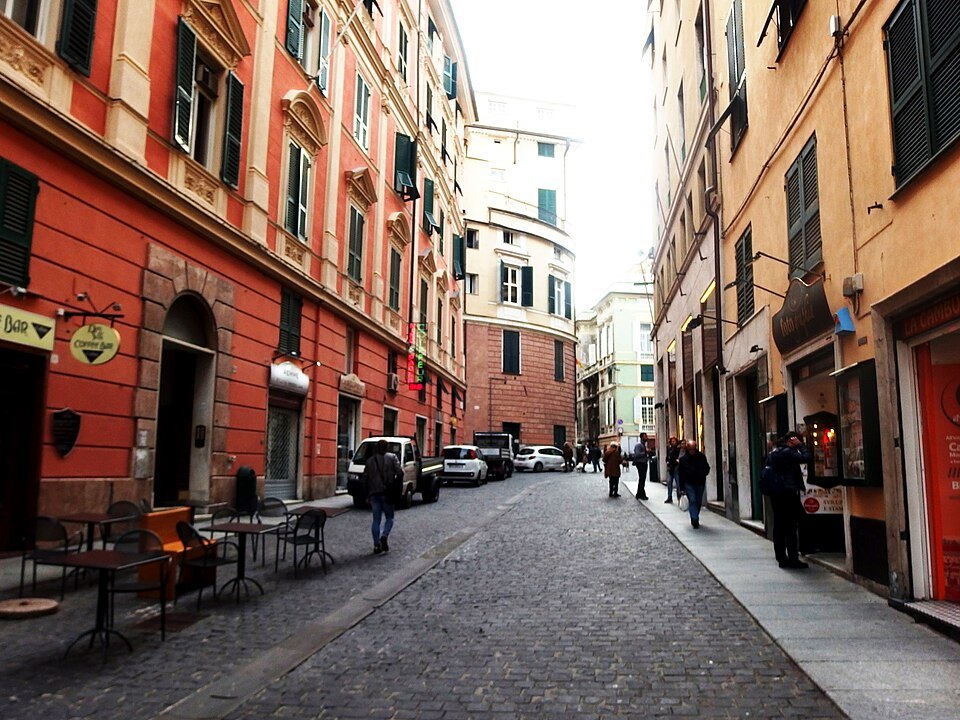
The solution was characteristically practical. From the middle of the sixteenth century the government kept official lists — rolli, rolls — of the private palaces grand enough to lodge such guests, sorted into categories by how important a visitor they could take.
When a guest arrived, a lottery among the eligible houses decided who would host them. The honour was real, the cost was the family's, and refusing was not an option.
Around one hundred and sixty palaces appeared on the lists over time. Forty-two of them, along Via Garibaldi, Via Cairoli, Via Balbi and the streets nearby, were inscribed on the UNESCO World Heritage list on 13 July 2006, together with the streets themselves.
The system also tells you what kind of state this was. Wealth was private, public display was borrowed for the occasion, and the republic's prestige rested on the collective standing of its families rather than on a court.
The lists were revised repeatedly between the fifteen-hundreds and the seventeen-hundreds as fortunes rose and fell, so a palace could move up a category, or drop off the roll entirely.
What makes them unusual
These are not palaces in the Roman or Florentine sense, set in their own space. They are built into a steep hillside on narrow plots, and their architecture is a sequence in section rather than a facade in plan.
The pattern is consistent: an open vestibule at street level, a stair rising through the building, a courtyard higher up, and a garden or terrace at the back, often with a nymphaeum — a grotto of stone, shells and water.
Because the ground climbs, the visitor is always moving upward and toward the light, and the rooms of state sit on the piano nobile with the best view. The whole thing was designed to be read from the door, which was left open.
Rubens saw what they were doing. He measured and drew the palaces during his years in Italy and published them in 1622 as Palazzi di Genova, presenting them as a model for the nobility of northern Europe.
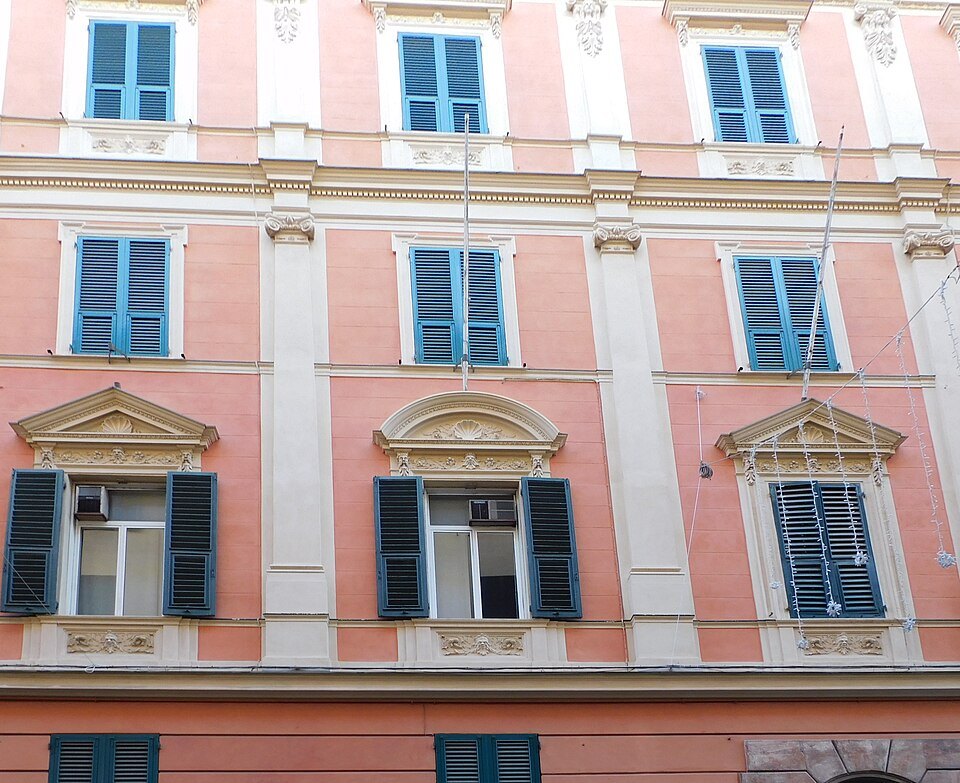
The materials are consistent too: grey Promontorio stone for the frames, black slate for the door surrounds, and painted plaster above — often trompe-l'oeil architecture, painted cornices and window frames where the real ones were too expensive.
Which ones you can get into
Three are museums with daily opening: Palazzo Rosso, Palazzo Bianco and Palazzo Doria Tursi, on Via Garibaldi, sharing a single ticket.
Two more are museums in their own right: the Palazzo Reale on Via Balbi, and the Galleria Nazionale in Palazzo Spinola di Pellicceria, hidden in a lane of the old town and kept as a furnished house.
Several others open on set days or by arrangement — Palazzo Nicolosio Lomellino for its frescoes and nymphaeum, Palazzo della Meridiana on the hill, and a handful that are now banks, offices or university faculties whose courtyards can simply be walked into.
The rest are private. Their fronts are on the street, and much of the pleasure of the Rolli is architectural window-shopping: looking through open doors at vestibules, stairs and painted vaults.
Palazzo Spinola is the one most visitors miss and the one most worth finding. It keeps its furniture, its mirrored gallery and its family portraits, and it is in a lane so narrow that you cannot stand back far enough to see the front.
Opening patterns change with the season and with the city's budget, so the current list is worth checking on the day rather than planning around a year-old guidebook.
The Rolli Days
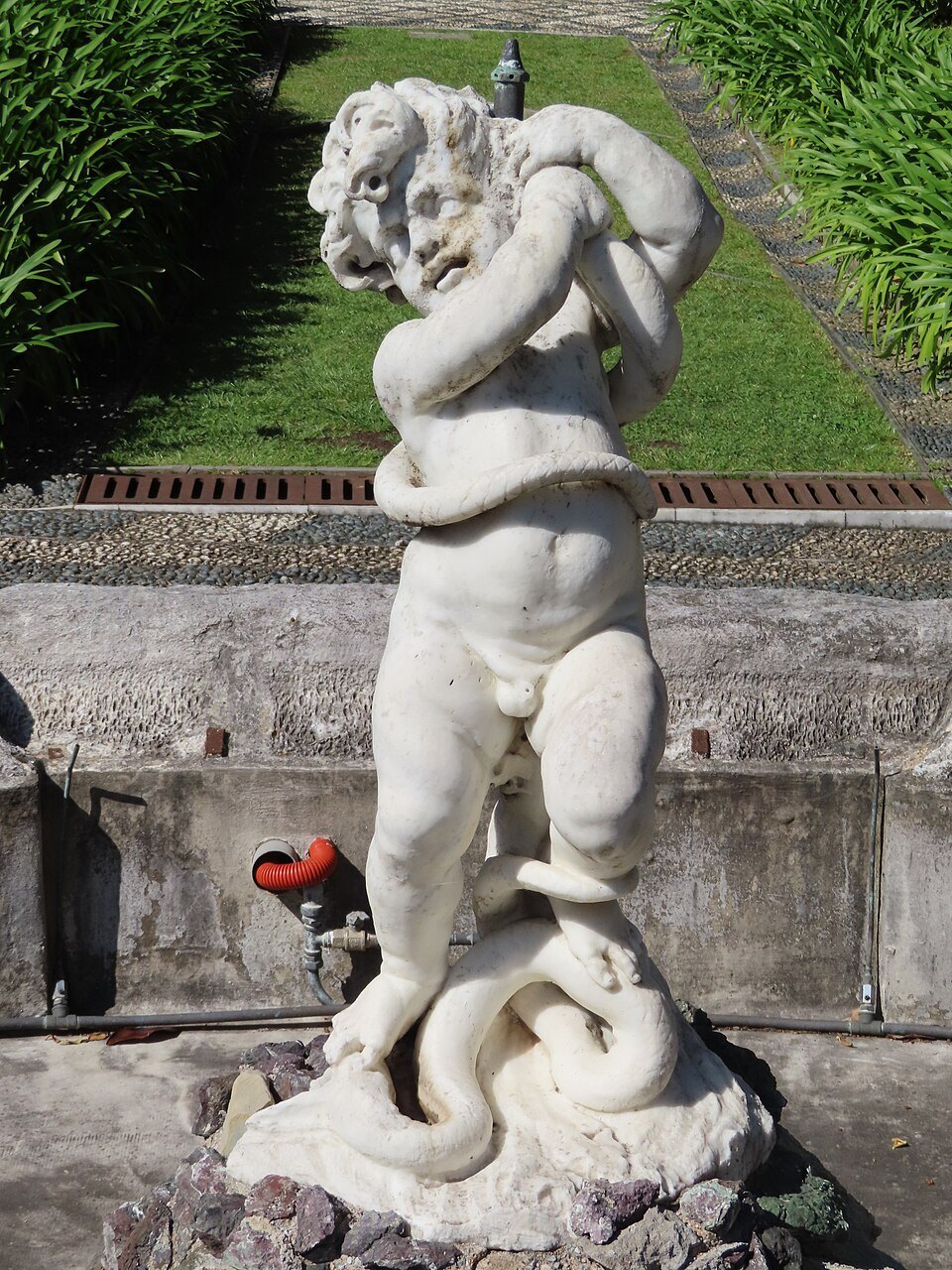
Twice a year, usually in spring and autumn, the city runs the Rolli Days: a weekend when palaces that are otherwise shut open their doors, with volunteers and art historians stationed in the rooms.
It is the only way to see many of them, and it is popular — slots are booked online, and the best of the houses go first. If a visit can be planned around it, do so.
Between times, the Rolli signs on the palace fronts identify which buildings are on the list, and the city publishes a walking map of them.
The programme grew out of the UNESCO listing and has become one of the city's fixed points, with tens of thousands of visits over a weekend. Rooms that are otherwise offices, banks and private flats are staffed by students of architecture, and the queues outside the best houses are part of the event.
How to see them well
Start with the three museums on Via Garibaldi; they give you the anatomy of a Genoese palace with nothing locked.
Then walk with your eyes on the doorways. In an hour between the cathedral and Piazza Fontane Marose you will pass a dozen listed fronts, several with their vestibules open.
Finish at a nymphaeum if you can get into one. The combination of grotto, water and formal garden, halfway up a hill above a working port, is the most Genoese thing these families built.
Two hours will cover the three Via Garibaldi museums; half a day gets you those, Palazzo Spinola and a walk past a dozen more fronts. It is worth booking nothing and simply following open doors.
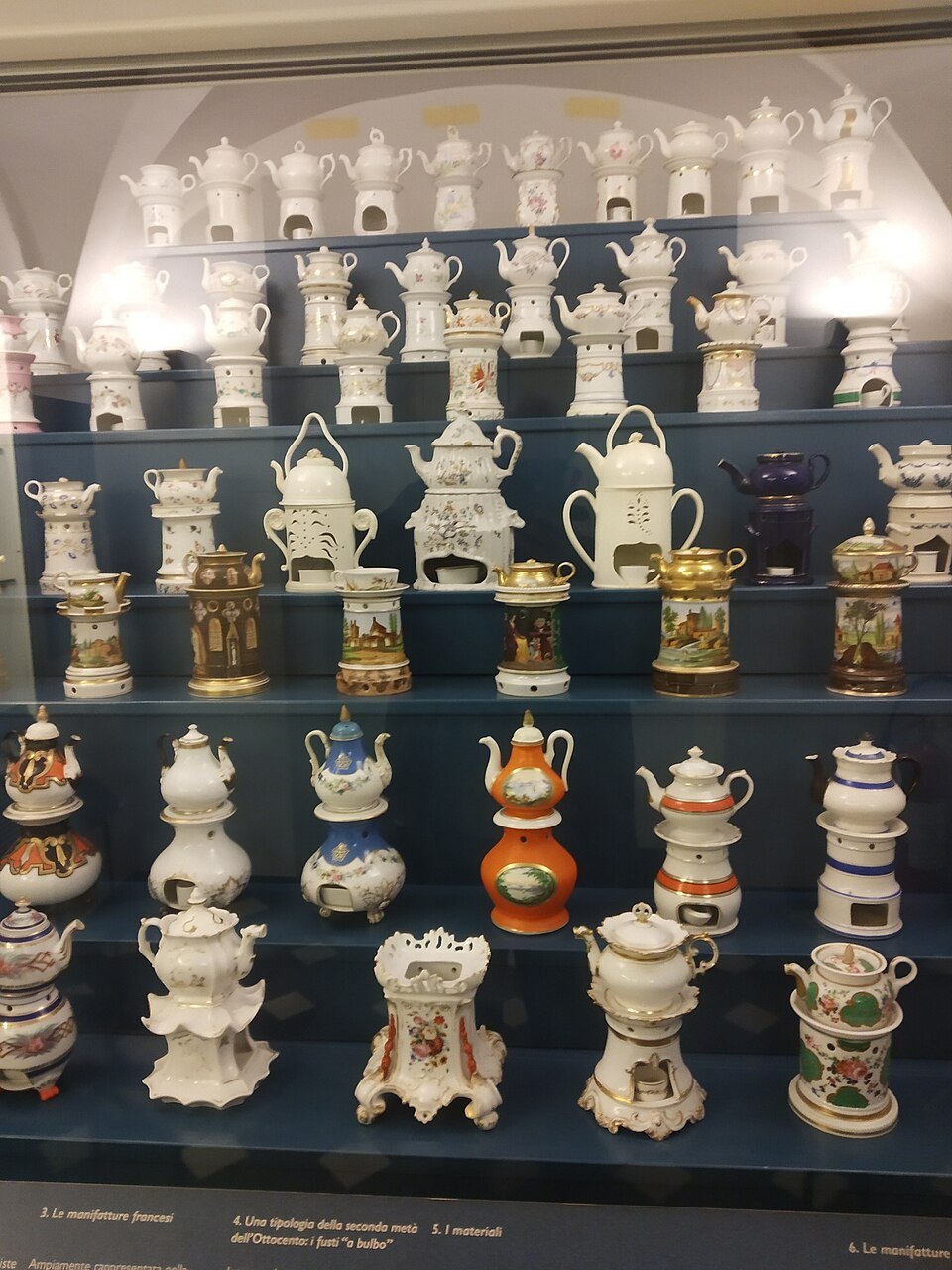
One warning: these interiors are dark. The rooms were built to be seen by candlelight and daylight from a courtyard, and the frescoed vaults repay standing still for a minute while your eyes adjust rather than photographing at once.
More photographs
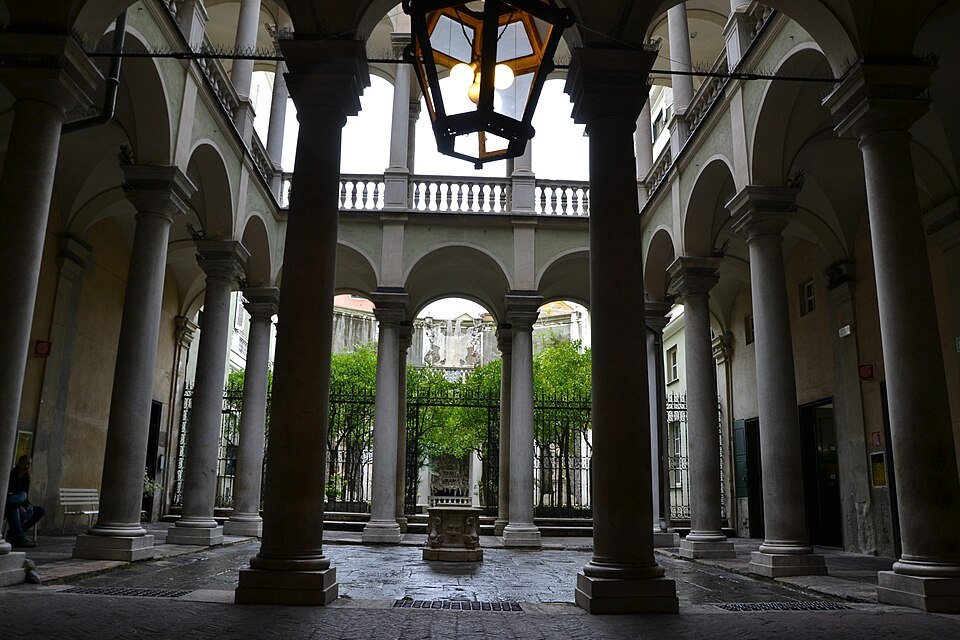
The courtyard of Palazzo Balbi Senarega, columns round the open spaceCarlo Dell'Orto, Wikimedia Commons, CC BY-SA 4.0 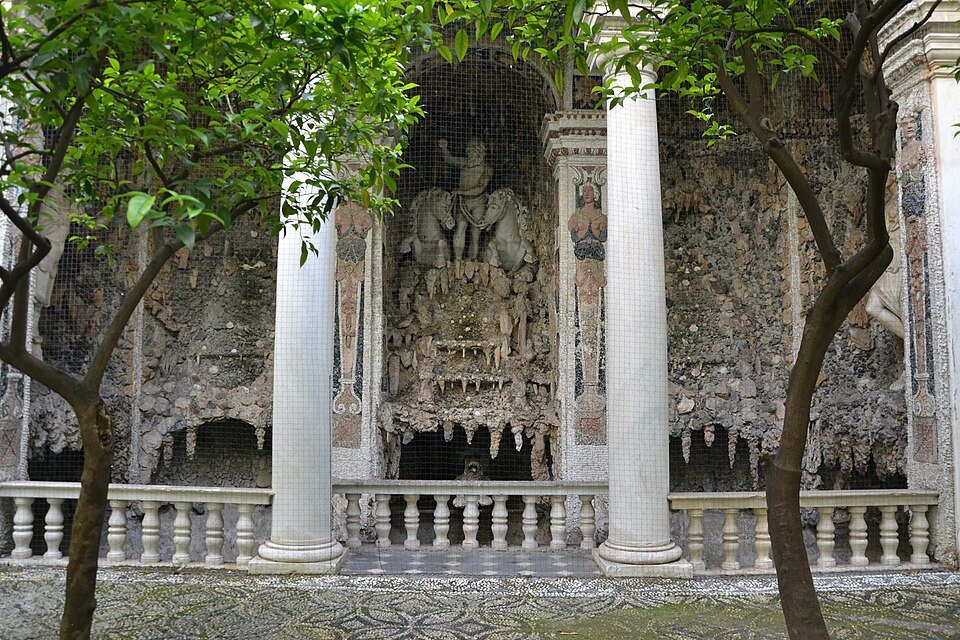
The nymphaeum of Palazzo Balbi Senarega, encrusted with shell and stoneCarlo Dell'Orto, Wikimedia Commons, CC BY-SA 4.0