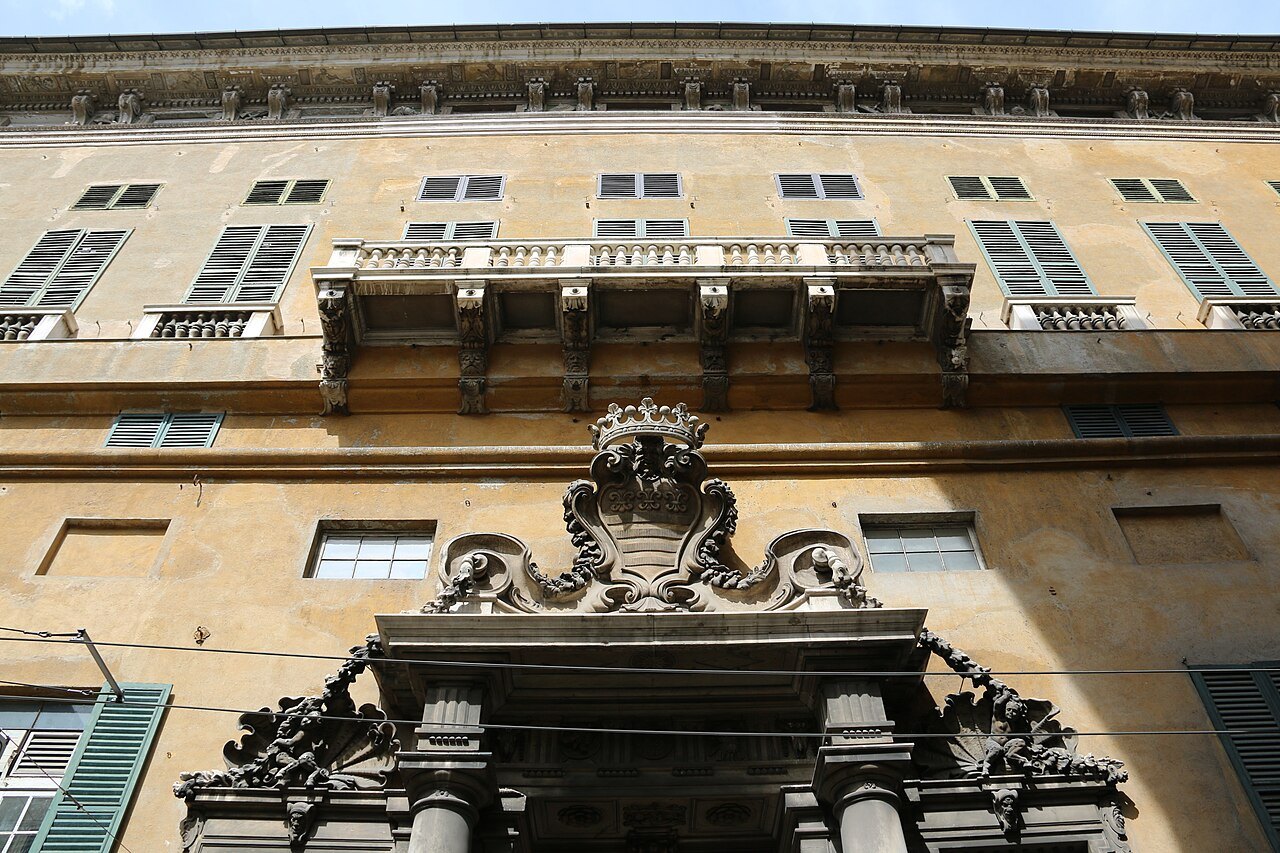
Palazzo Reale and Via Balbi
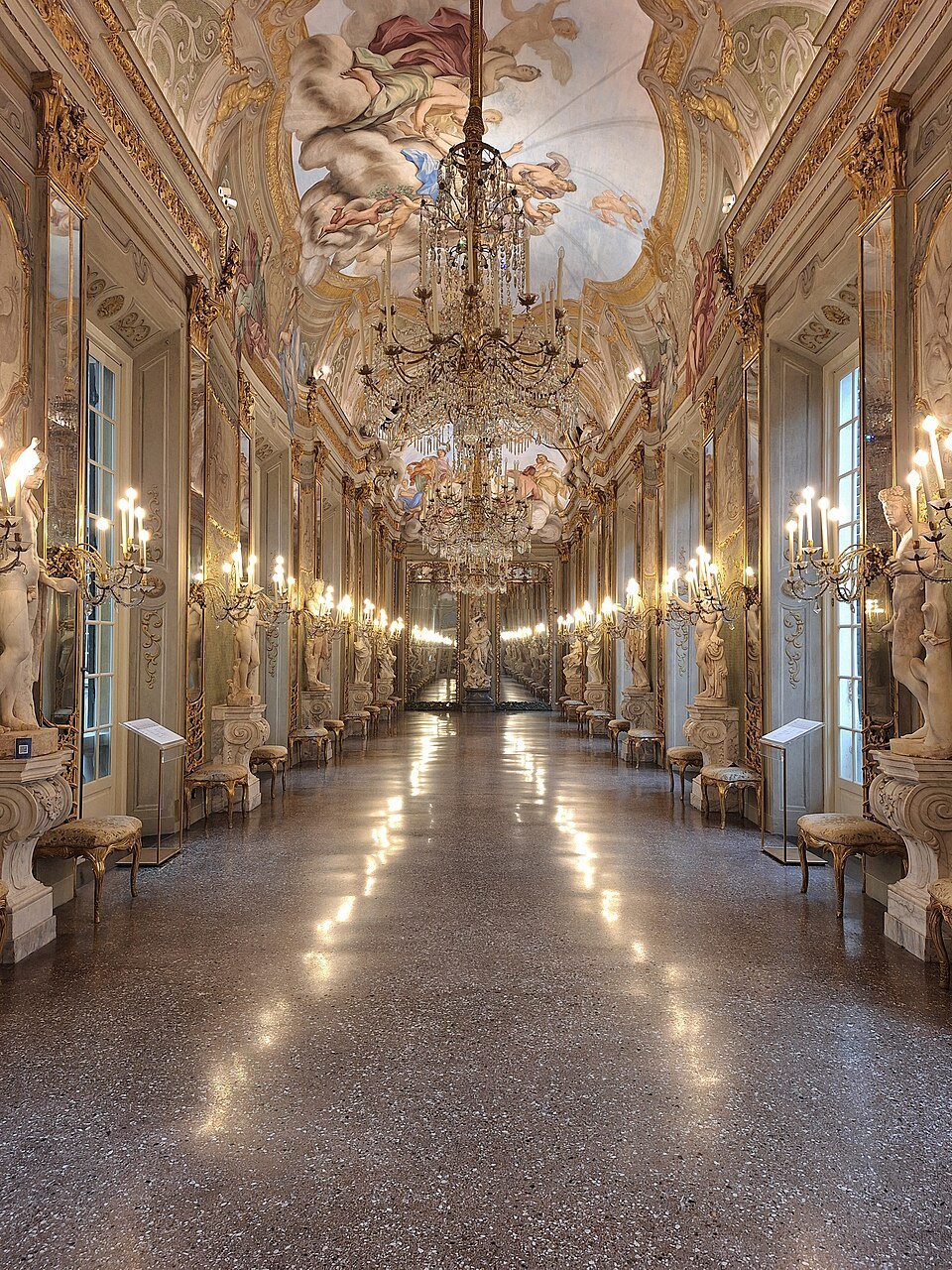
- IThe Galleria degli SpecchiA mirrored gallery of gilded stucco, the grandest room in the city
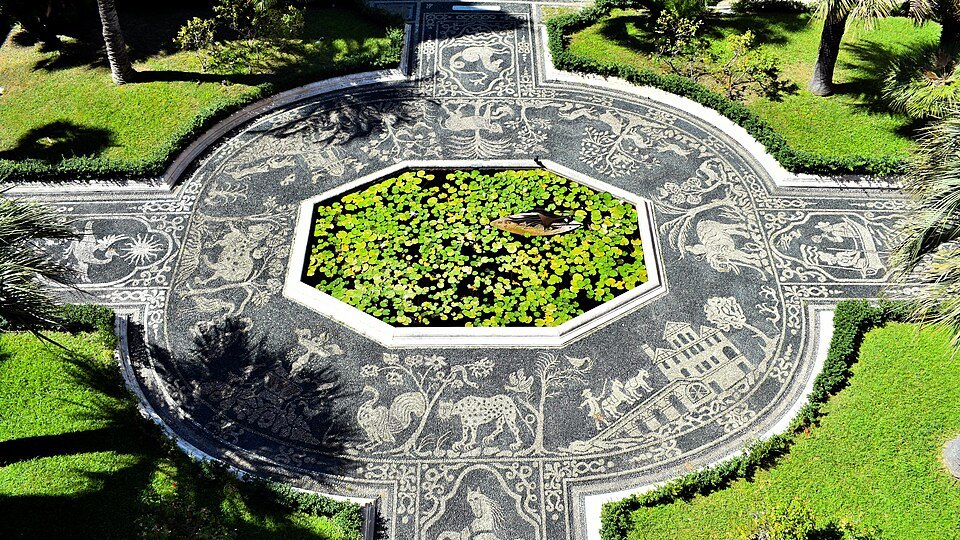
- IIThe hanging gardenA terrace of black and white pebble mosaic, looking over the roofs to the port
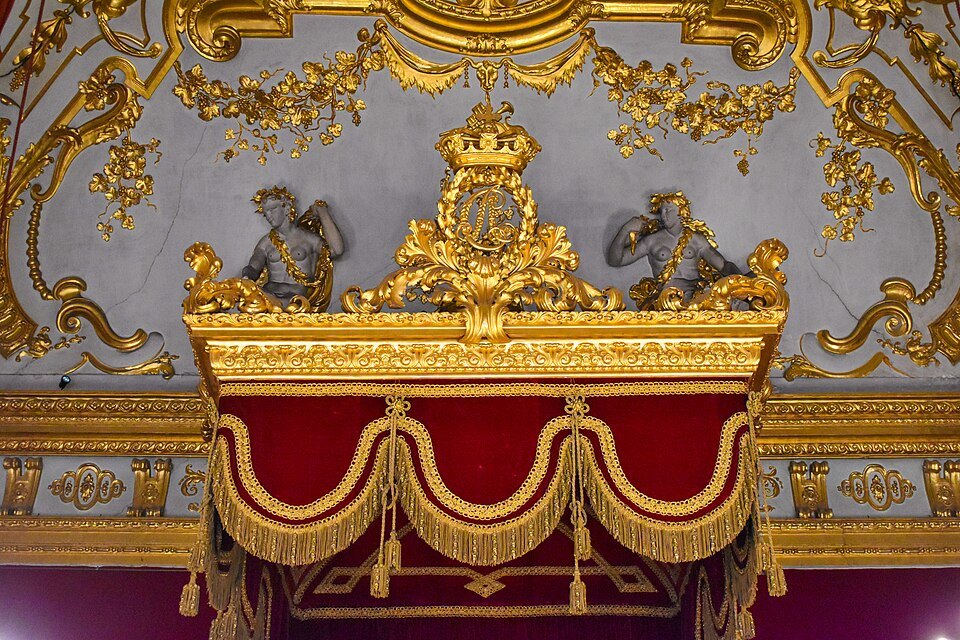
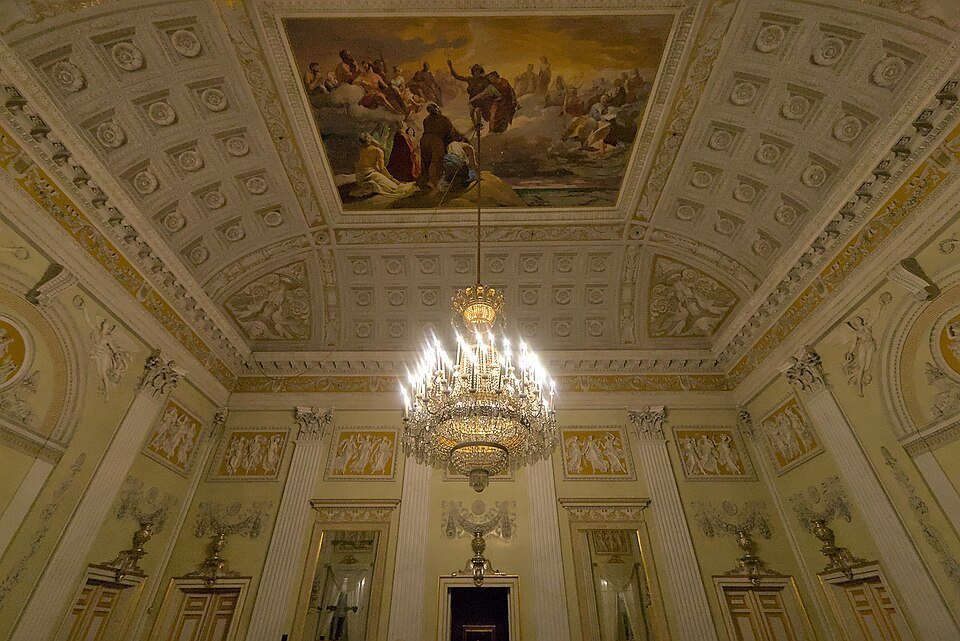
- IIIThe throne roomKept as the House of Savoy furnished it in the nineteenth century
- IVThe courtyardAn open court on two levels, free to walk into from Via Balbi
- VThe picture galleryVan Dyck, Tintoretto and Genoese painters, hung as the family hung them
- VIVia BalbiThe street built between 1602 and 1620, now largely the university
The sight in detail
Why it matters
Genoa never had a king of its own, and this palace shows what happened when one arrived anyway. It was begun by the Balbi, a banking family, continued by the Durazzo who bought it in 1677 and enlarged it, and sold in 1823 to the House of Savoy, who made it a royal residence and furnished it as such.
Because each owner added rather than cleared, the building is a rare complete interior: state rooms with their stucco, mirrors, paintings and furniture in place. Most Genoese palaces have lost their contents. This one did not.
It also sits at the top of the city's grandest approach. Via Balbi runs from the station square down toward the old town, and for two centuries it was how ambassadors and princes entered Genoa.
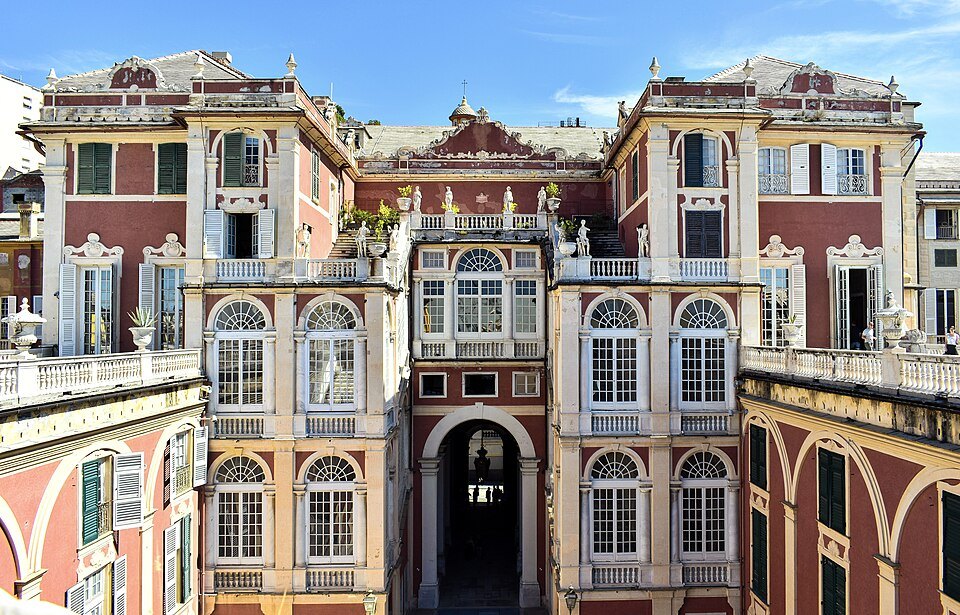
The three families that owned it each left a layer, and the building makes them easy to tell apart: the Balbi built the shell and the courtyards, the Durazzo added the gallery of mirrors and the grand stair, and the Savoy furnished the rooms and hung the portraits. Almost nothing was cleared away in between.
The street it stands on
Via Balbi was designed by Bartolomeo Bianco and built between 1602 and 1620 for Stefano Balbi, at a moment when the family's fortune was at its height. It was the second of the city's new palace streets, after the Strada Nuova, and it was laid out for the same reason: to give a merchant dynasty room to build in the open air above the crowded port.
Most of its palaces now belong to the university, which means their courtyards and stairs can often simply be walked into during term. The Balbi-Senarega courtyard, halfway along, is the finest of them.
The street ends at Piazza Acquaverde and Genova Piazza Principe station, so it is the first Genoese street most rail arrivals see, and one of the least altered.
Via Balbi replaced an older and narrower route west out of the city, and it was cut deliberately wide so that carriages could pass. Walking it now means walking between university faculties: noticeboards in the vestibules, students on the stairs, and seventeenth-century vaults above them.
What you actually see
The route through the palace runs up a broad stair to the piano nobile and then through a long enfilade of rooms: audience chambers, the throne room kept as the Savoy left it, bedrooms with their beds, and the chapel.
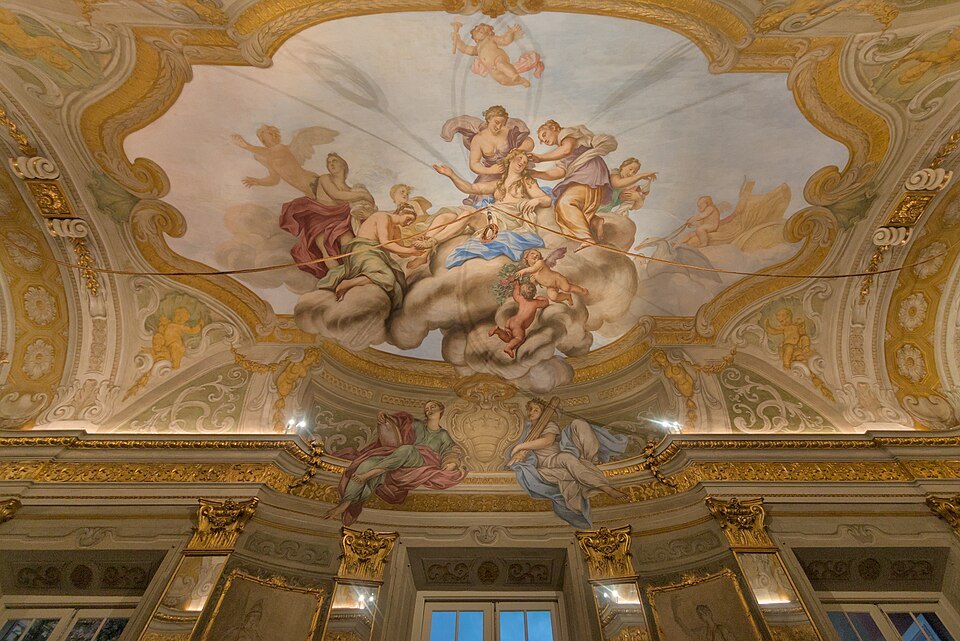
The Galleria degli Specchi is the climax — a gallery lined with mirrors and gilded stucco, modelled on the idea of Versailles but Genoese in its density, with sculpture in the niches and a painted vault above.
Behind the state rooms the palace opens onto a hanging garden paved in the black and white sea-pebble mosaic used all over Liguria, with a view over the rooftops to the cranes and water of the port. On a clear afternoon this terrace alone justifies the visit.
The picture gallery keeps Van Dyck's Crucifixion, work by Tintoretto and Bassano, and a room of Genoese painters. The pictures hang close and high in the old manner rather than in museum rows.
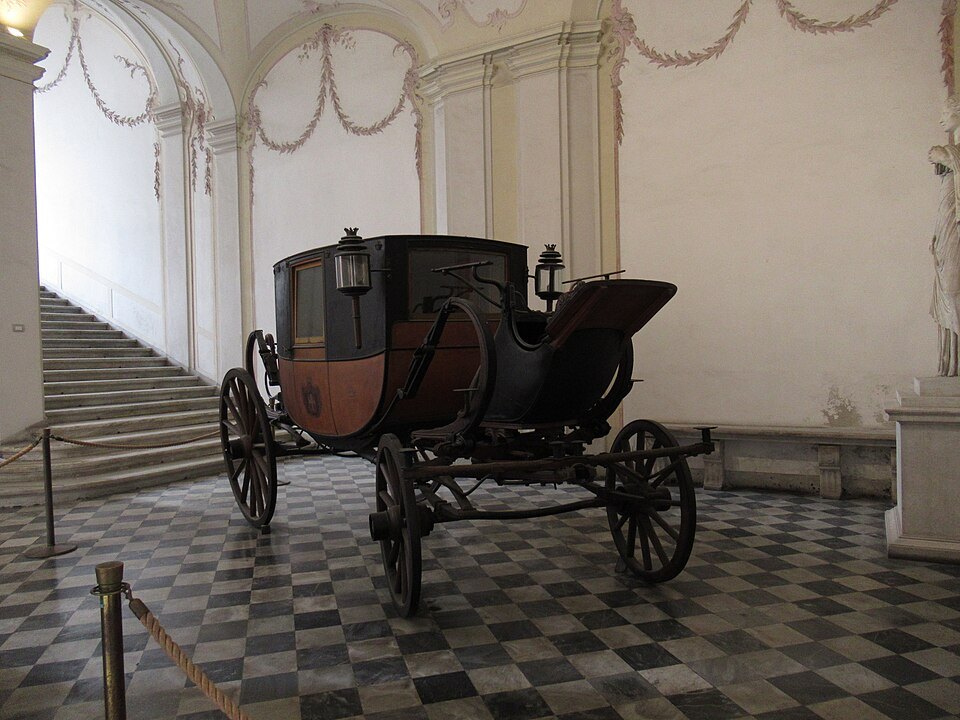
The ground floor keeps the working parts of a great house — kitchens, service stairs, the courtyard where deliveries arrived — and they are shown as part of the route. It is a useful corrective to the state rooms above: for every mirrored gallery there was a floor of people carrying things up to it.
Look for the black and white pebble paving, called risseu, in the garden and the courtyard. The same technique paves church forecourts all along this coast, laid in patterns of sea pebbles sorted by colour, and it is one of the few genuinely Ligurian crafts a visitor sees underfoot every day.
How to visit
An hour and a half covers the state rooms, the gallery and the terrace without hurrying.
The courtyard and the lower level can be entered from the street for nothing, which is worth doing even if you skip the museum.
It is a five-minute walk from Piazza Principe station, so it fits neatly at the start or end of a day — see getting here. Combine it with the Annunziata, a few minutes downhill.
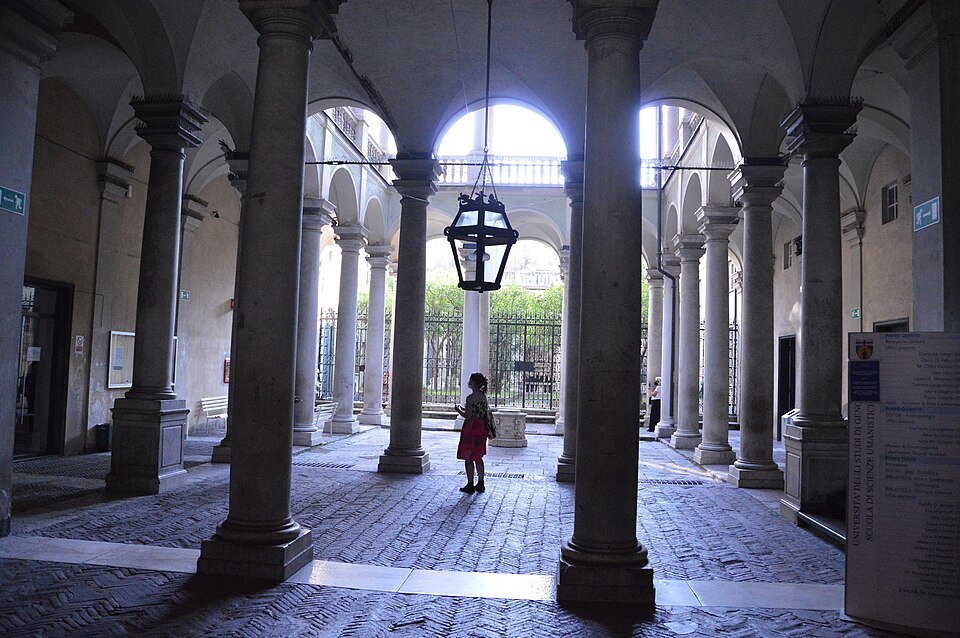
The palace stands on the uphill side of the street, and its entrance is a plain door between shops; the building gives almost nothing away from the pavement. That is deliberate, and true of most Genoese palaces.
Honest notes
The rooms are shown in a fixed order and can feel crowded when a cruise group is inside; early or late is calmer.
Rooms shut on rotation for conservation, and the terrace shuts in bad weather.
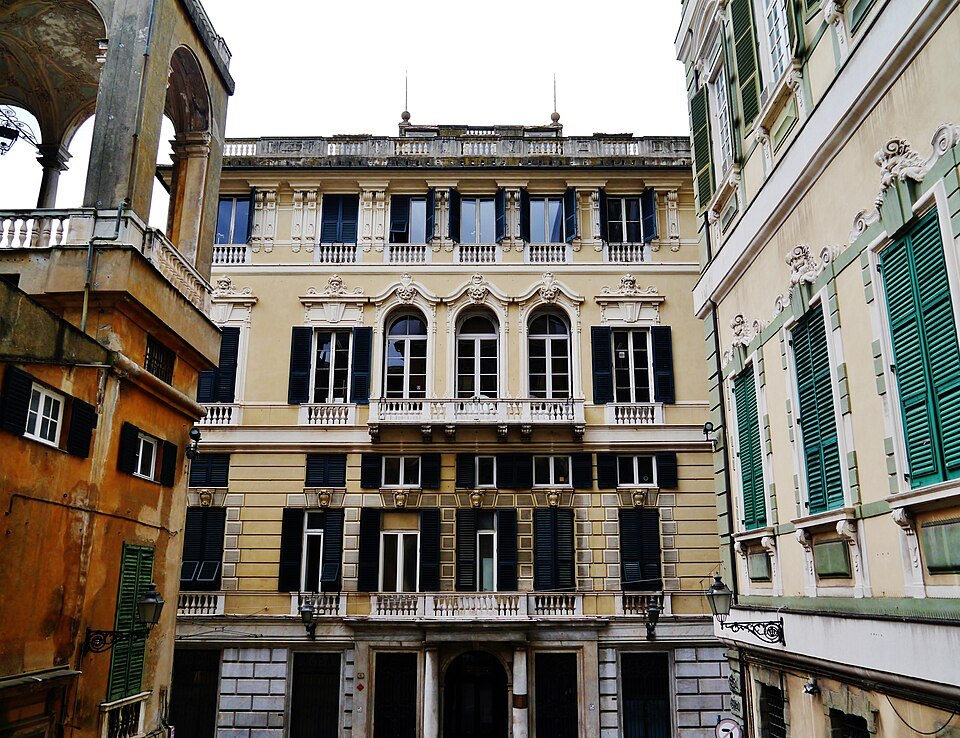
This is a royal palace of the nineteenth century as much as a Genoese one of the seventeenth. If you want the republic rather than the monarchy, the Palazzo Ducale is the building to see.
Where to go next
- NEXT DOORVia Garibaldi and the Strada Nuova MuseumsA single short street of sixteenth-century palaces built by the richest families of the republic, three of them now one museum, and the heart of the UNESCO listing of the Rolli.Read the page
- NEXT DOORSantissima Annunziata del VastatoA neoclassical portico hiding one of the most lavish interiors in Italy: a gilded and frescoed basilica paid for by the Lomellini, five minutes from the station.Read the page
- NEXT DOORThe Porto AnticoThe docks Renzo Piano turned back toward the city for Expo '92: the Bigo's white arms, a glass bubble of tropical plants, the aquarium, and a quay you can walk from end to end.Read the page