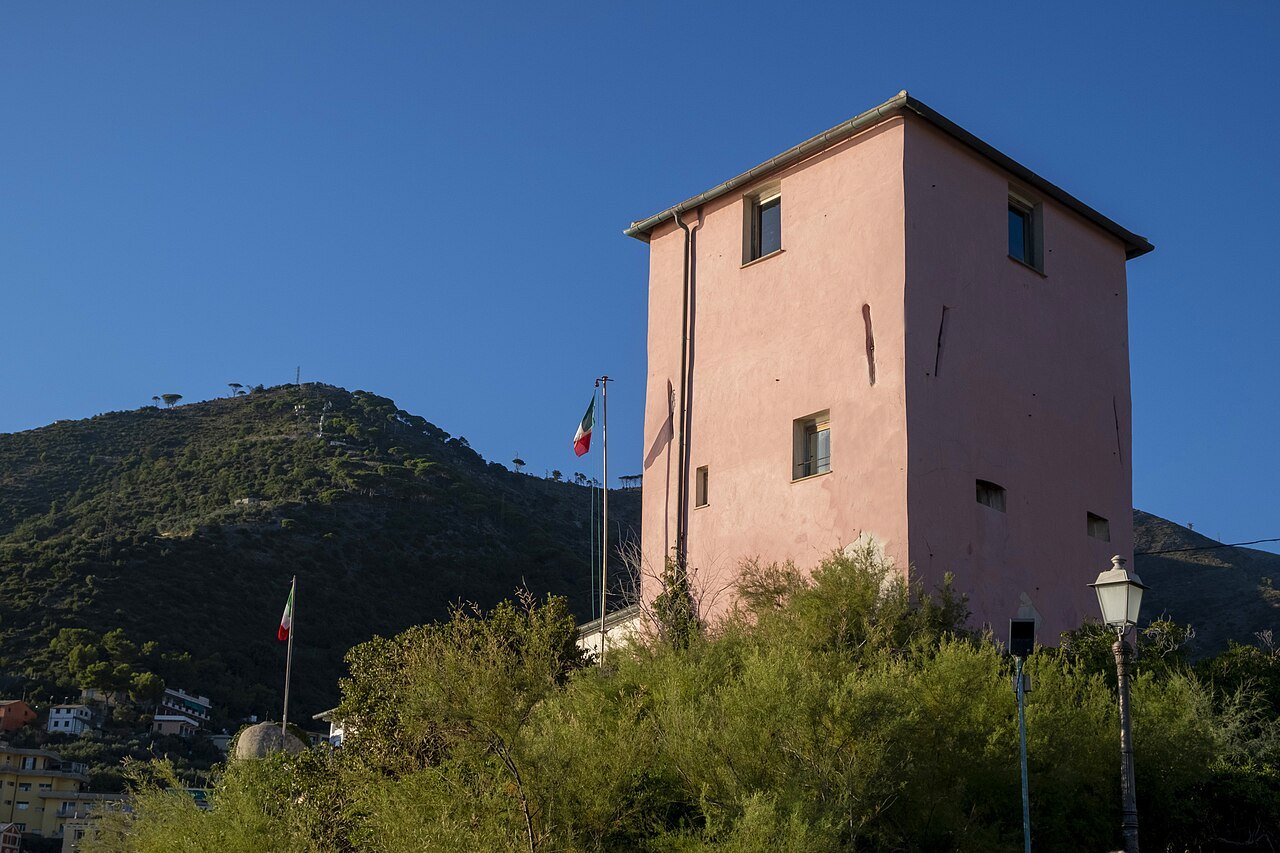
Nervi and Its Promenade
- IThe Passeggiata Anita GaribaldiAbout two kilometres of walkway along the cliffs, from the harbour to Capolungo
- IIThe porticcioloThe old fishing harbour at the western end, with boats and a bar on the quay
- IIIThe Parchi di NerviVilla parks joined into one green belt of palms, pines and rose gardens above the sea
- IVThe Galleria d'Arte ModernaNineteenth and twentieth century Italian painting in Villa Saluzzo Serra
- VThe Raccolte FrugoneA collector's gallery of late nineteenth-century painting in Villa Grimaldi Fassio
- VIThe WolfsonianaDecorative arts and design between the eighteen-eighties and the nineteen-forties
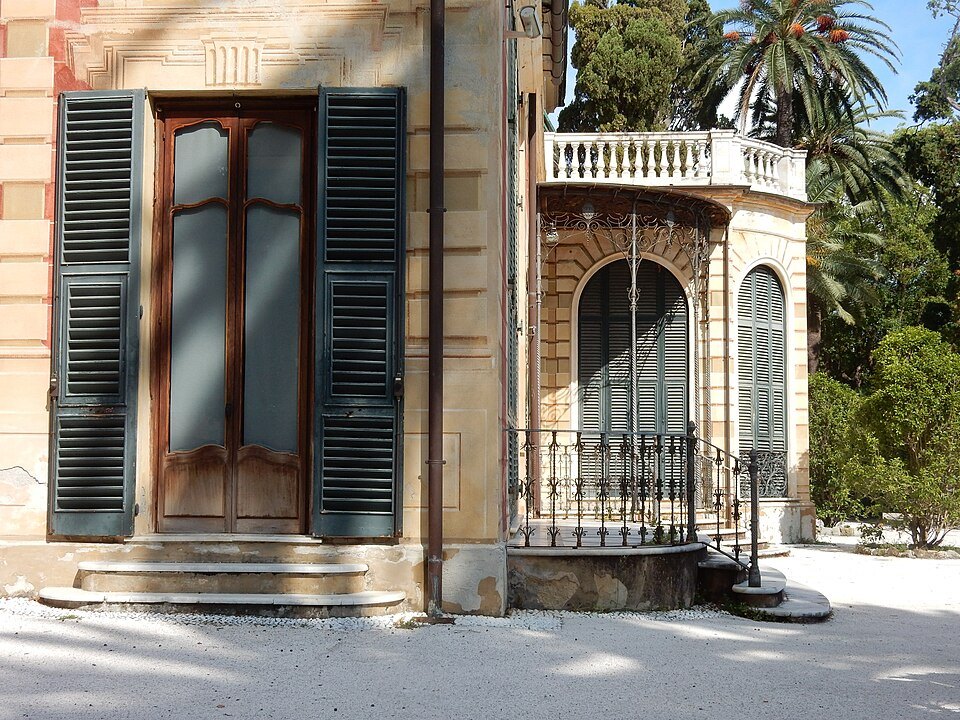
The sight in detail
Why it matters
Nervi is the answer to a practical question: where does a visitor to Genoa go to swim, walk and sit under a tree without leaving the city? It is a town in its own right, absorbed into Genoa in the twentieth century, and it keeps a resort's character from the days when northern Europeans wintered here.
The cliff walk is the main reason to come. The Passeggiata Anita Garibaldi runs about two kilometres along the rock between the old harbour and Capolungo, at times cut into the cliff and at times built out over it, with the sea directly below.
Above it are the parks: the grounds of three villas, joined into a single green belt of palms, holm oaks and rose gardens, with museums in the villas themselves. Genoa holds its flower show, Euroflora, here.
The town was a winter resort from the eighteen-sixties, when the railway arrived and northern visitors came for the mild coast. The big hotels and the villa gardens date from that period, and the parks exist because the city bought the estates rather than allowing them to be built over.
The walk
Start at the porticciolo, the small harbour at the western end, where fishing boats still sit on the slipway and there is a bar on the quay.
From there the walkway climbs onto the cliff and follows it east: rock, agaves and pines on one side, open water on the other, with rough steps down to swimming platforms where the rock allows.
It ends at Capolungo, a small beach and a cluster of houses, from where the railway station of Sant'Ilario is a short climb. Walking back is no hardship; the light changes completely between morning and evening.
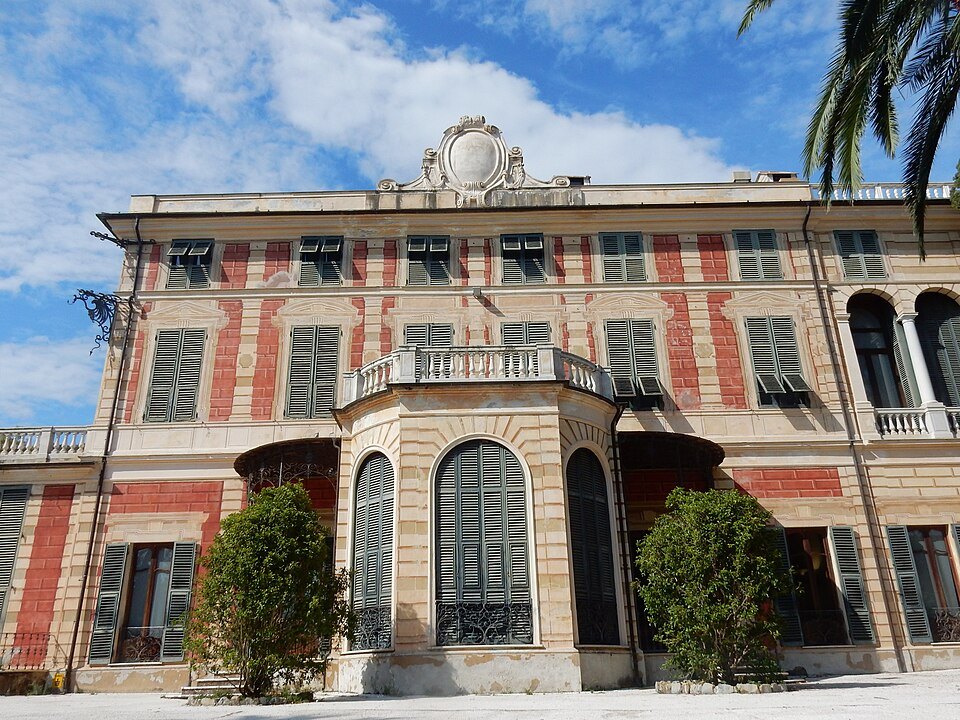
The path is level and paved, and it is one of the few genuinely easy walks in this vertical city — though there are steps at each end, and the surface can be wet with spray in a swell.
The passeggiata is named after Anita Garibaldi and was built in stages from the end of the nineteenth century, partly on the line of an older path between the fishing hamlets. Benches face the water the whole way, and there is no road traffic anywhere along it.
The parks and the museums
The Parchi di Nervi run along the top of the cliff. They were the gardens of the Gropallo, Serra and Grimaldi Fassio villas, bought by the city and thrown together, and they are planted with palms, cedars, olives and a large rose garden.
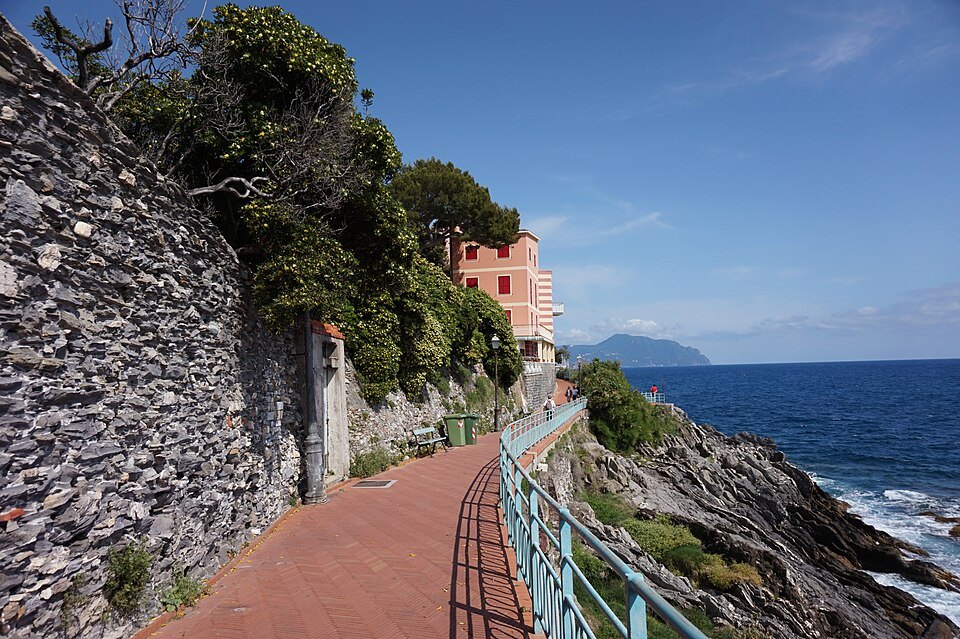
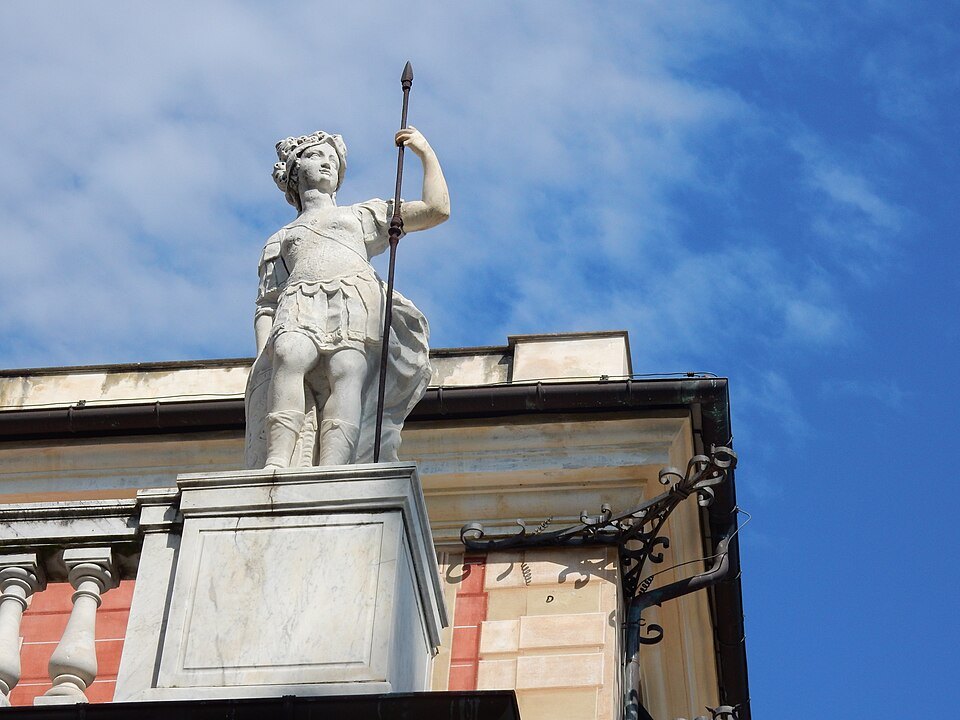
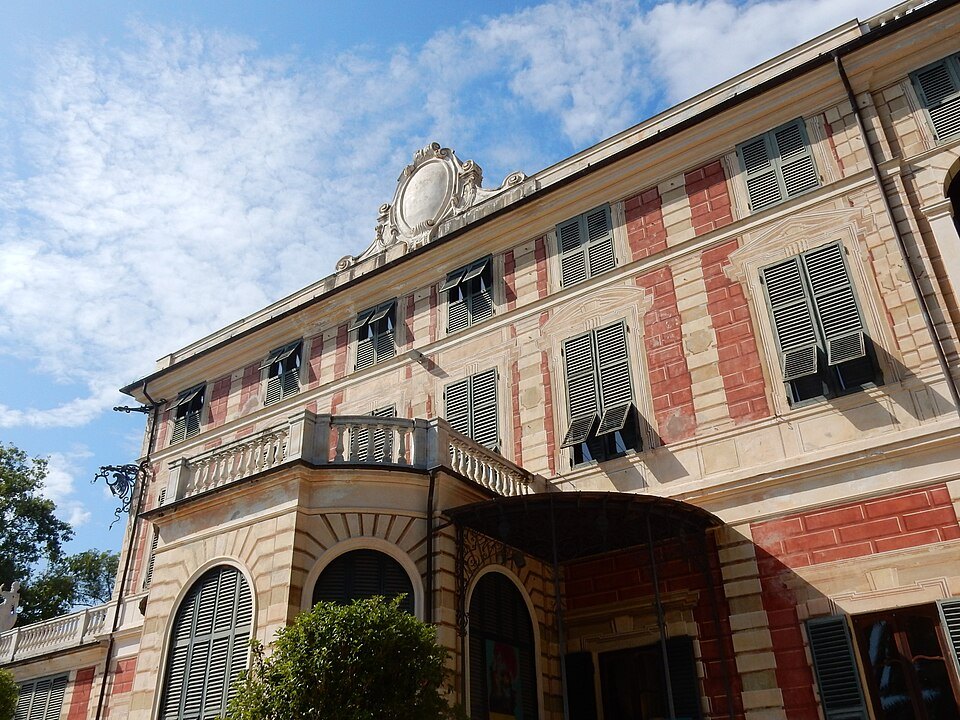
Villa Saluzzo Serra holds the Galleria d'Arte Moderna, strong on Italian painting of the nineteenth and twentieth centuries. Villa Grimaldi Fassio holds the Raccolte Frugone, a collector's gallery of the late nineteenth century, hung as a private house.
The Wolfsoniana, a short walk inland, is the odd one out and the most interesting to some: decorative arts, posters, furniture and propaganda objects from the eighteen-eighties to the nineteen-forties, showing how design served politics.
Villa Luxoro, at the eastern end, keeps a smaller collection of furniture, clocks and nativity figures in a house above the sea.
The parks are worked gardens rather than wild ground: gravel paths, clipped hedges, specimen trees labelled in Latin, and long lawns that run to the edge of the cliff. Cats, parakeets and a great many prams.
How to visit
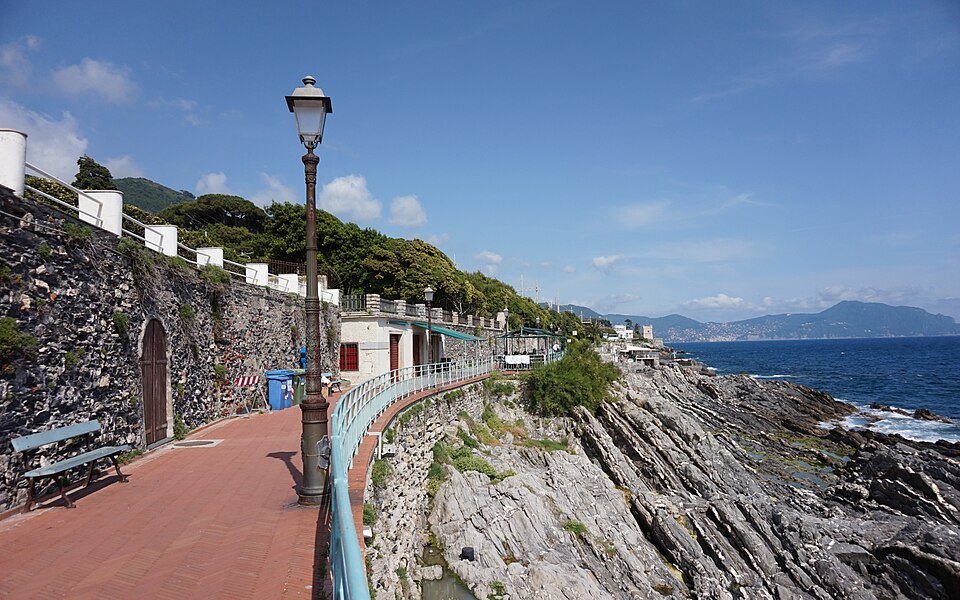
Half a day: the train out, the walk, a park, one museum, and a swim if the season allows.
Trains from Brignole take a quarter of an hour or so to Genova Nervi, and the station is a few minutes from both the harbour and the parks. Buses run along the coast road and take longer.
The museums share a ticket and keep museum hours; the parks and the walkway need neither.
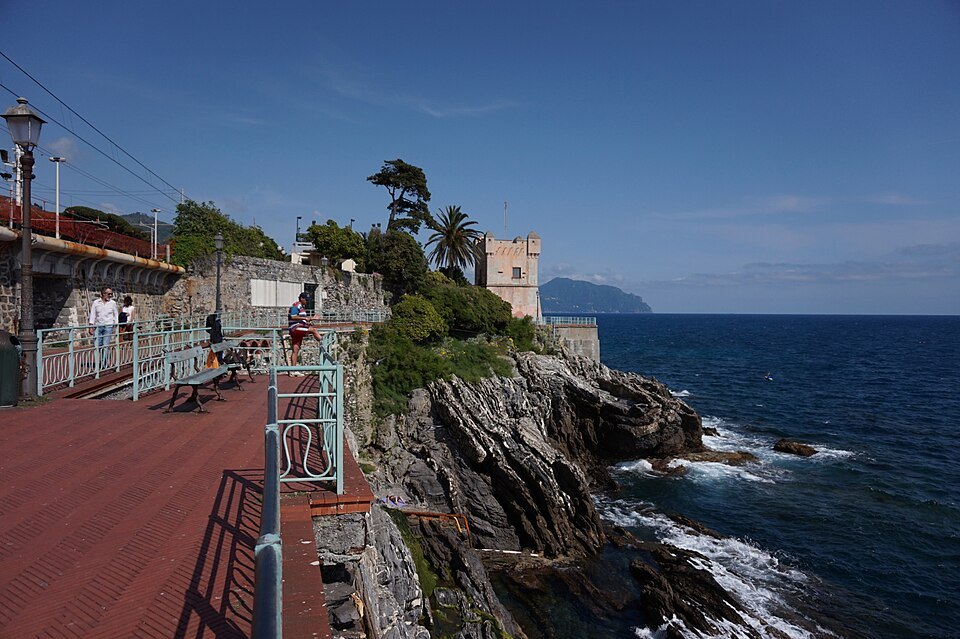
Take a swimsuit in summer. There is no sand — swimming is from rocks and concrete platforms — but the water is clear and deep.
A good order is to arrive at the station, walk down to the harbour, take the cliff path east, climb into the parks at the far end and come back through them to the station — about two hours without stopping.
In spring the rose garden is the reason to come; in high summer, the swimming; in autumn, the light along the cliff at the end of the afternoon.
Honest notes
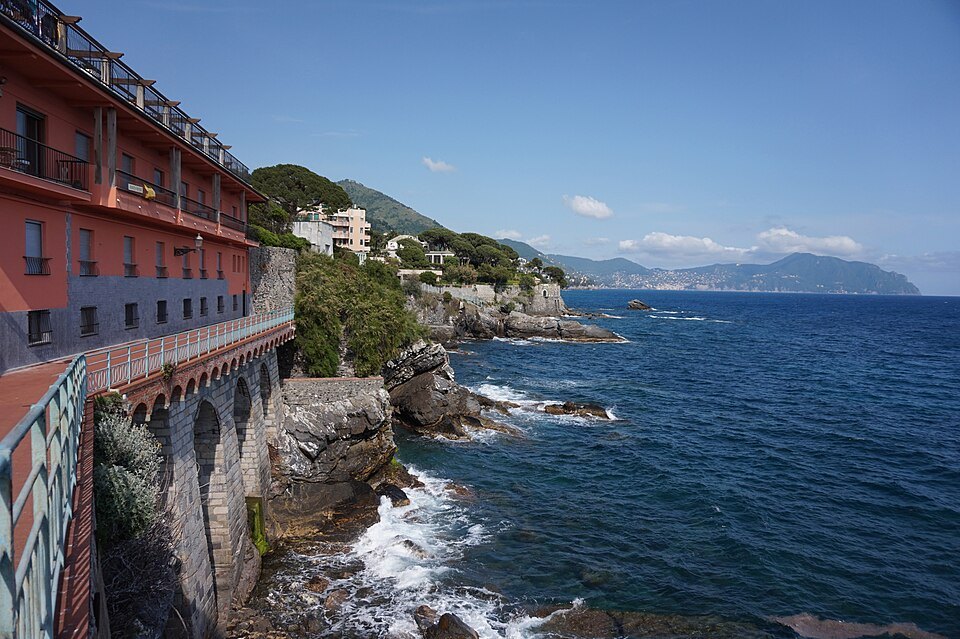
In rough weather the sea comes over the walkway and parts of it are shut; that is also when it is at its most spectacular, from a safe distance.
Nervi is residential and quiet in the evening. It is a half-day from the city, not a nightlife district.
It is often described as a separate village. It has been part of Genoa for a century, and the train ticket is a city ticket — see getting around.
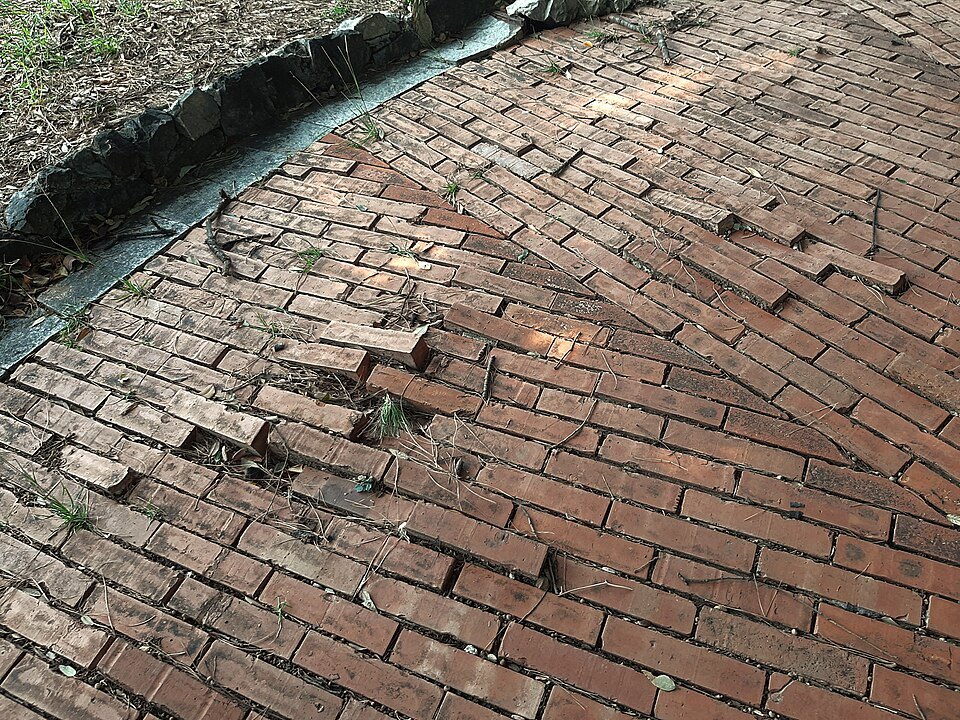
Nervi's beaches are pebble and rock, and the platforms below the walkway have ladders rather than steps into the water; it suits confident swimmers better than paddlers.
Where to go next
- NEXT DOORBoccadasseA cove of pastel houses, boats pulled up on a pebble beach and an ice cream in your hand, at the end of the city's seafront promenade and still inside Genoa.Read the page
- NEXT DOORStaglieno CemeteryOne of Europe's great monumental cemeteries: a square kilometre of colonnades, a domed pantheon and hundreds of marble figures in which a merchant class had itself carved as it wished to be seen.Read the page
- NEXT DOORThe Porto AnticoThe docks Renzo Piano turned back toward the city for Expo '92: the Bigo's white arms, a glass bubble of tropical plants, the aquarium, and a quay you can walk from end to end.Read the page