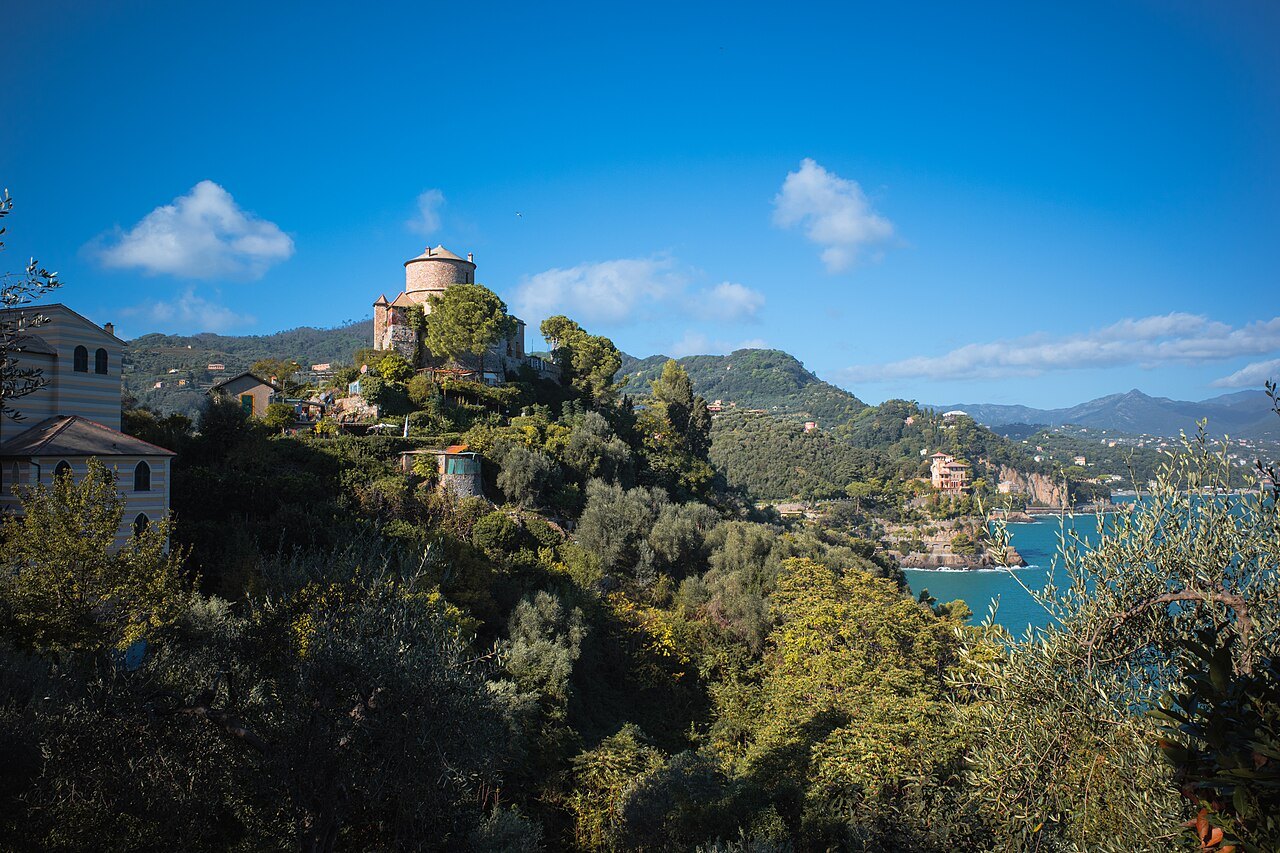
Two different days
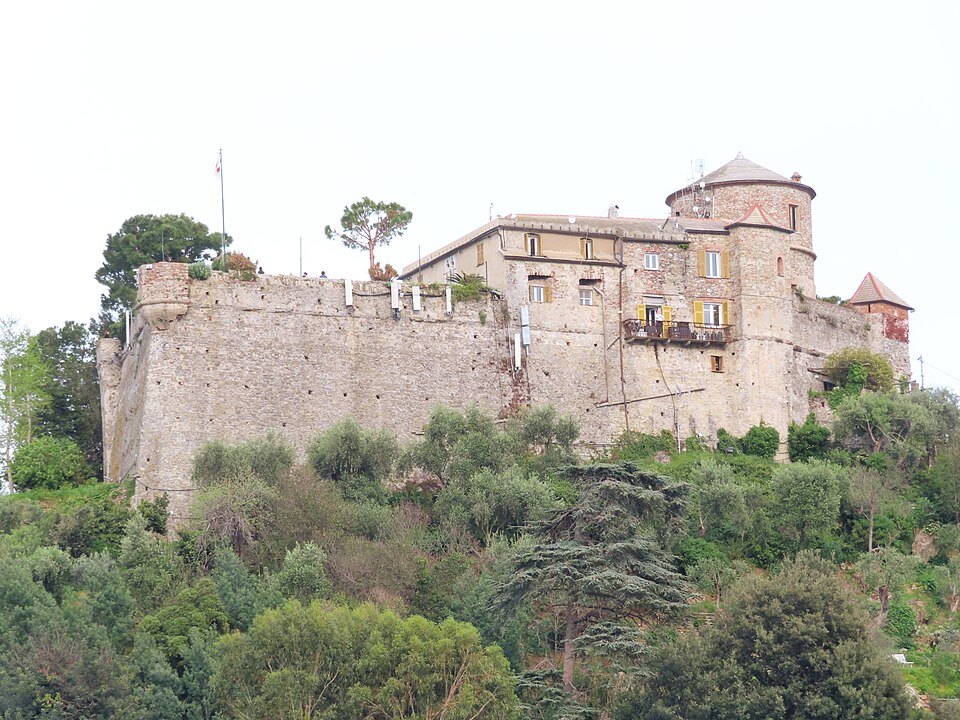
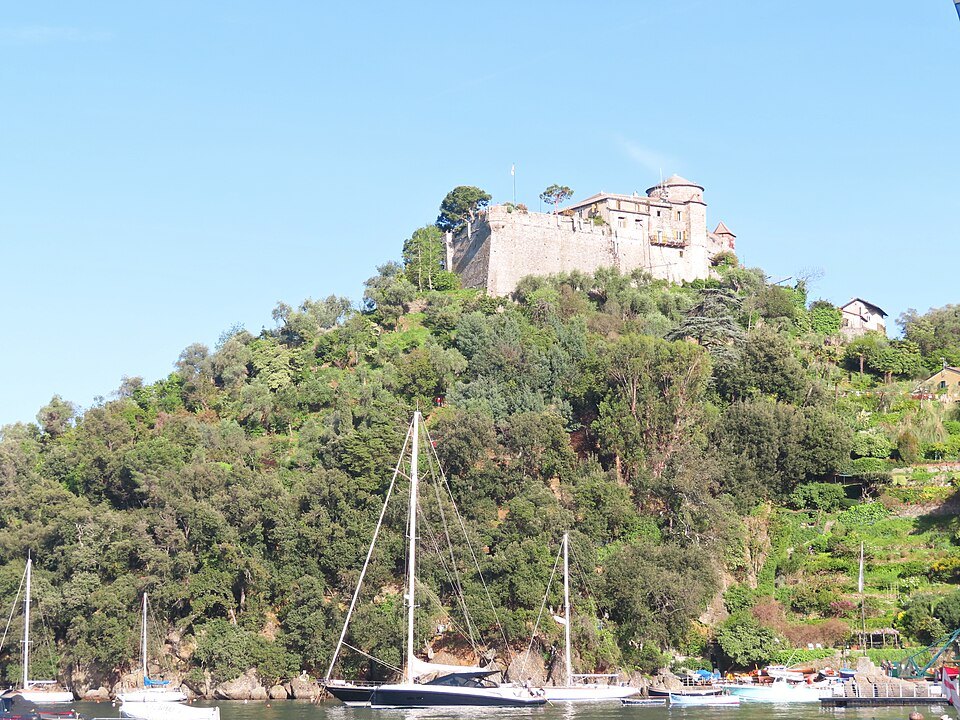
The question assumes Portofino and Camogli are interchangeable, but they are not quite the same day out. Portofino is a destination built almost entirely around its own reputation: a tiny harbour, a ring of pastel houses, a castle above, very expensive boats tied up below. Camogli is a working fishing town that happens to be handsome, with a pebble beach, a basilica, and a harbour that still does something other than look photogenic.
Both sit on the eastern Riviera, the prettier and busier of the two coasts out of Genoa, where mountains run down to the water and towns are stacked into coves rather than spread along flat ground. Both are reachable without a car and without booking, on ordinary regional trains that run along the coast every few minutes at peak times. The difference is what each one gives back for the time spent getting there.
Some links on this page are affiliate links. If you book through one we may earn a commission, at no extra cost to you. It does not affect what is recommended here, and no sight page on this site carries one.
Somewhere to leave bags on a travel day, and mobile data for trains and route maps.
The case for Camogli
Camogli is the easiest sea day from the city, about forty minutes from Brignole station, which already makes it the lower-effort option. The town itself is compact: tall painted houses stacked above the beach, a working harbour, a basilica, and a small castle on the rocks, all within a short walk of the platform. There is swimming, there is a town to wander, and there is no bus or extra boat leg required just to reach the center of things.
The name is said to come from casa delle mogli, the house of wives, for the women who ran the town while the men were away at sea. That maritime history is not decoration: Camogli had one of the largest merchant fleets in the Mediterranean in the nineteenth century, which is why the houses rise so high for what is, on paper, a fishing village. It gives the town a weight that a harbour built for yachts does not have.
Camogli is also the departure point for San Fruttuoso, which is where the comparison with Portofino starts to tip further in its favor.
San Fruttuoso, the extra argument
From Camogli's harbour, boats cross to San Fruttuoso, a Benedictine abbey of the tenth century set in a cove with no road to it at all. The alternative is to walk there, about two hours over the Portofino headland through holm oak and pine, arriving on foot rather than by water. Either way, the cove itself is small: an abbey, a beach beside it, a bar behind it, and a bronze Christ of the Abyss standing in the water offshore, placed there in the nineteen-fifties and visible mainly to divers.
This is the detour Portofino cannot offer. Go early if the plan includes San Fruttuoso: the boats fill by midday in summer and the cove is small enough to feel crowded within an hour of the first arrivals. Anyone choosing between the two day trips mainly to see Ligurian coastline rather than a famous name should weigh this stop heavily; it is the more distinctive hour of the two.
The case for Portofino
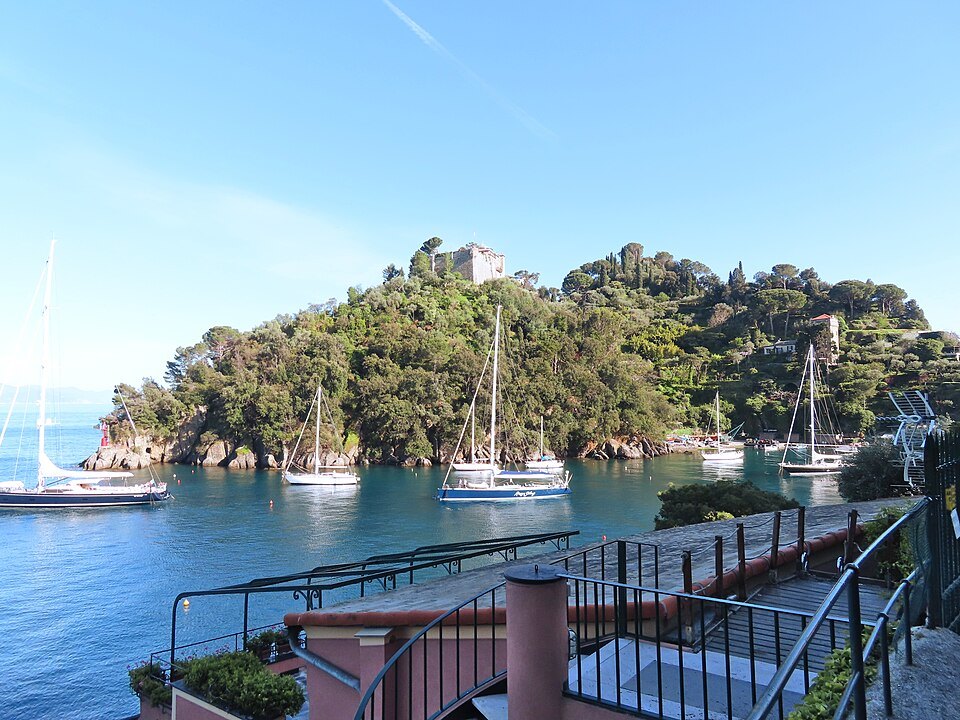
Portofino's draw is simple and it is real: the harbour is genuinely beautiful, the semicircle of houses around it is a known image for a reason, and the walk out to the lighthouse on the point is a pleasant way to spend part of an afternoon. What it is not is efficient. The practical route is a train to Santa Margherita Ligure, then a bus or boat for the final stretch, or a coastal walk of about an hour between the two towns, which is also the nicest way to arrive.
Santa Margherita is worth treating as more than a connection point. It is a proper town with a seafront and a harbour of its own, and it is a better base for eating and staying than Portofino itself, which is built for looking at rather than settling into. In season, walking to Portofino and returning to Santa Margherita by boat avoids the worst of the midday queues at the bus stop.
Travelers wanting a sense of eating well on this stretch of coast, as elsewhere in the region, should see eating and drinking for what to expect from a Ligurian menu before choosing where to stop for lunch.
So which one, in a single day
If the day has to be one or the other, the honest answer depends on what is being optimized. Camogli plus San Fruttuoso gives more for less effort: one train, one boat, a town and a cove, all within the kind of morning-out-boat-back-evening pattern that works well without advance booking. Portofino plus Santa Margherita gives the more famous view, but it costs an extra leg of transport and a town that exists mainly to be looked at rather than used.
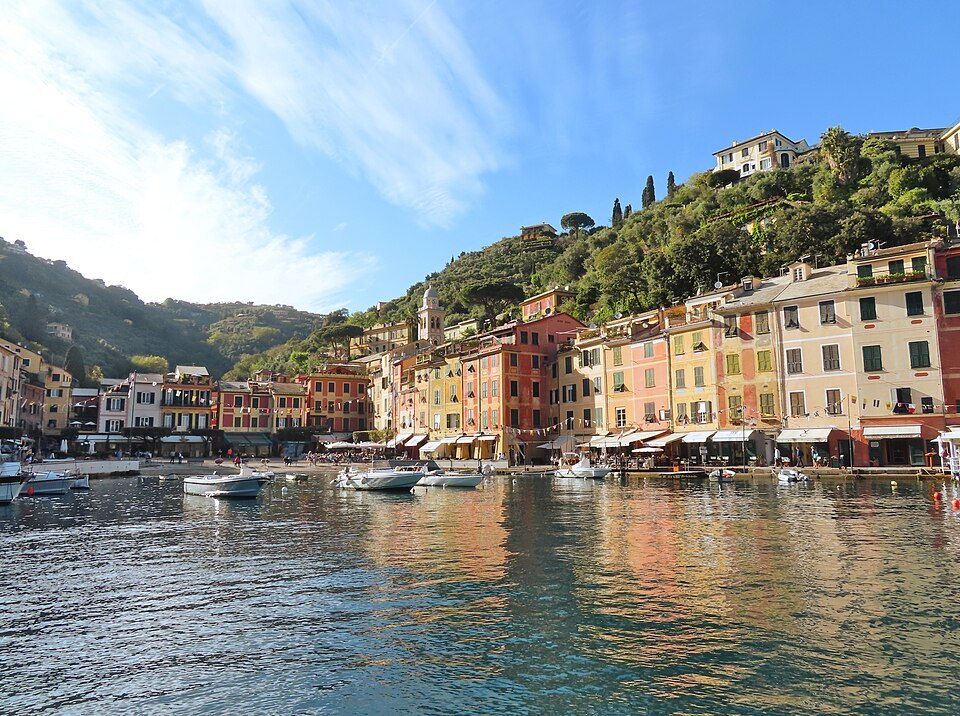
Neither is wrong. A visitor with one eastern day and a preference for swimming, walking, and a quieter harbour should take Camogli. A visitor who wants the image that appears on the postcards, and is willing to spend part of the day managing a bus or boat queue to get it, should take Portofino and stay based in Santa Margherita rather than in the harbour village itself.
Making the day work
Check return times before leaving rather than on the platform at the end of the day. Regional services thin out in the evening, particularly on the eastern line, and there is no advantage in cutting it close on the last train back toward the city; see getting here for how the regional network connects to the main stations. Bring a swimsuit between June and September, since both towns offer a way into the water but little in the way of sand — rocks, pebbles, and concrete platforms are the norm on this coast.
Watch the weather for anything involving a boat. Services along the coast stop in a swell, and the crossing to San Fruttuoso is the first one to be cancelled when conditions turn, which matters if that cove is the reason for choosing Camogli over Portofino in the first place. Neither trip needs a car, and driving the coast road or hunting for parking in either village only adds time that a train would not have cost.
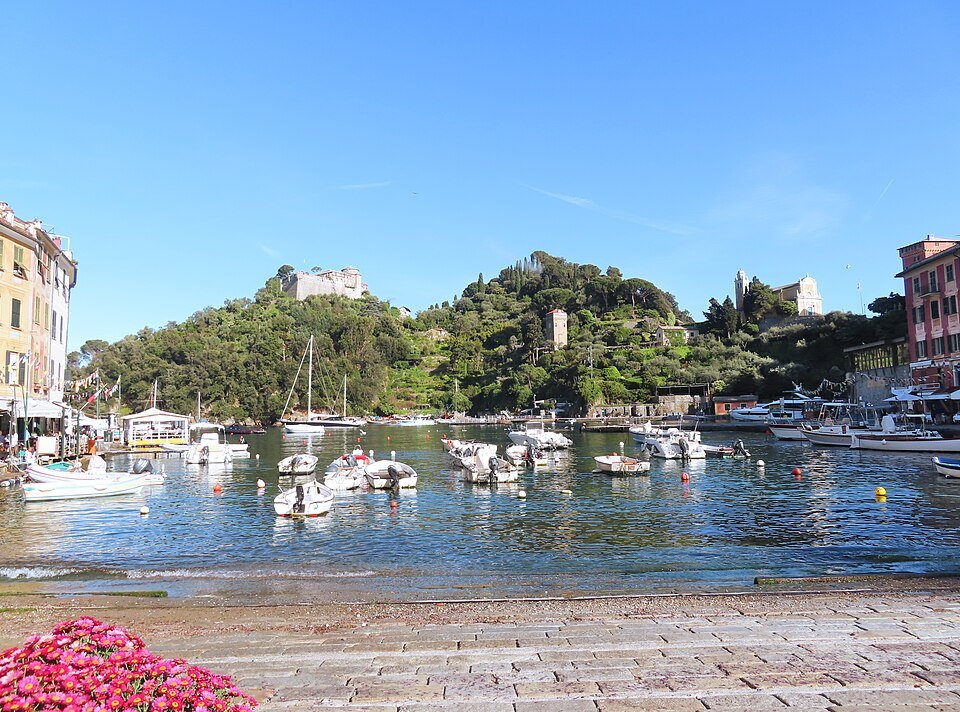
One piece of advice applies regardless of which is chosen: do not try to combine either of these with the Cinque Terre on the same day. They sit on the same coast and are an hour apart by train, but stitching all three together turns a day at the sea into a day spent mostly on platforms.
More from the journal
- Getting HereWhich Genoa station should you get off at, Principe or Brignole?A practical guide to Genoa's two main stations, which end of the city each serves, and how to choose.Read the piece
- Eating & DrinkingWhere do you eat farinata and focaccia the way Genoese do?Genoa's best eating is cheap, fast and eaten on foot: chickpea farinata from a copper pan, oily focaccia at any hour, and fried fish from a counter in the arcade.Read the piece