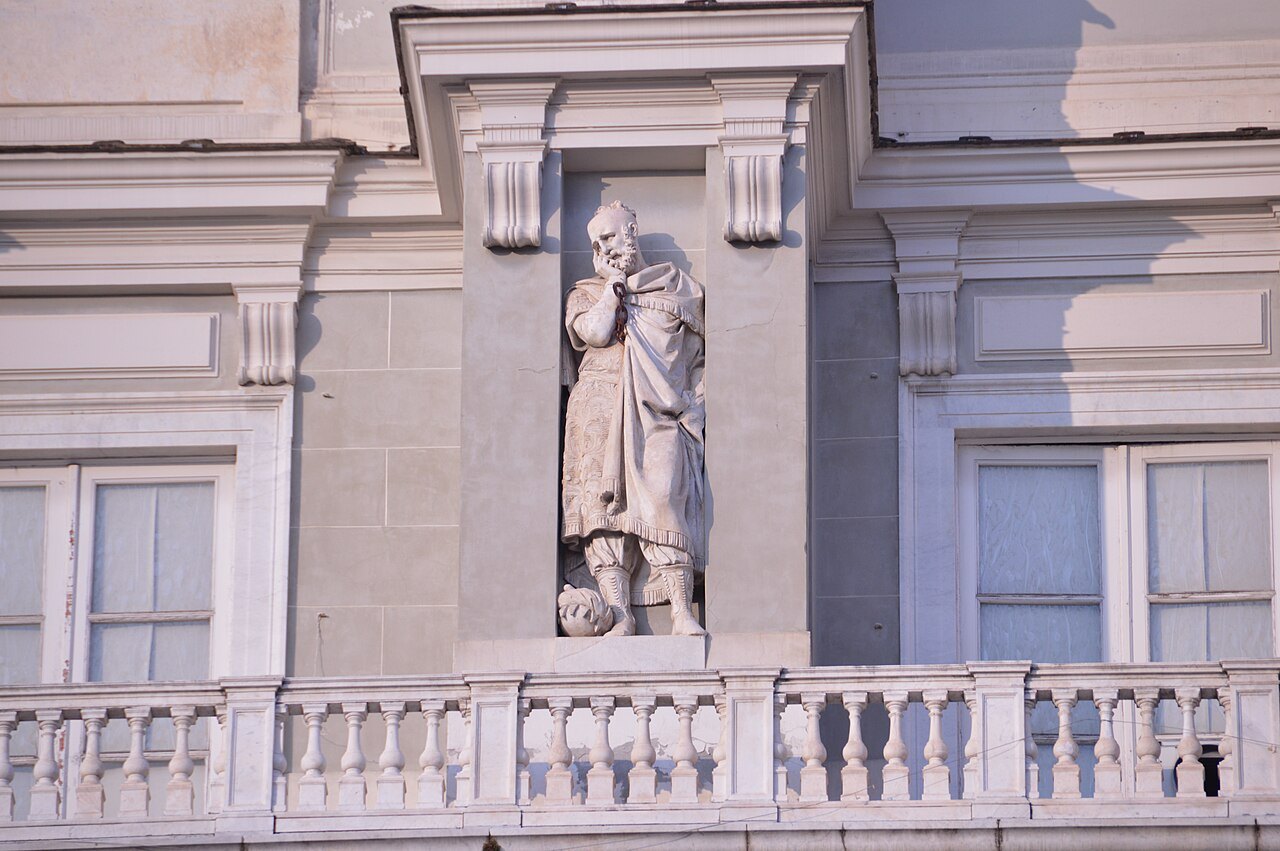
Palazzo Ducale
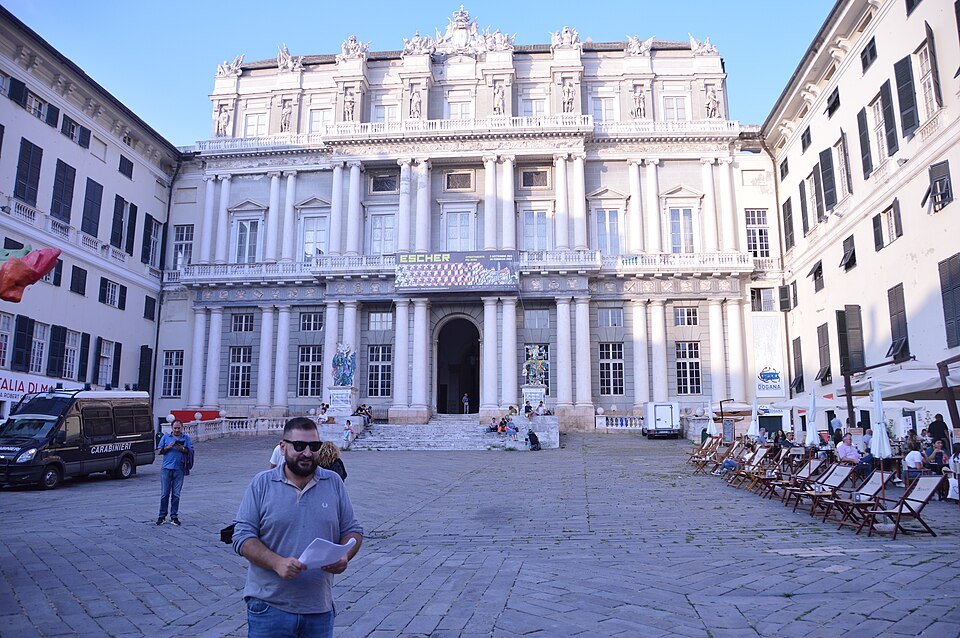
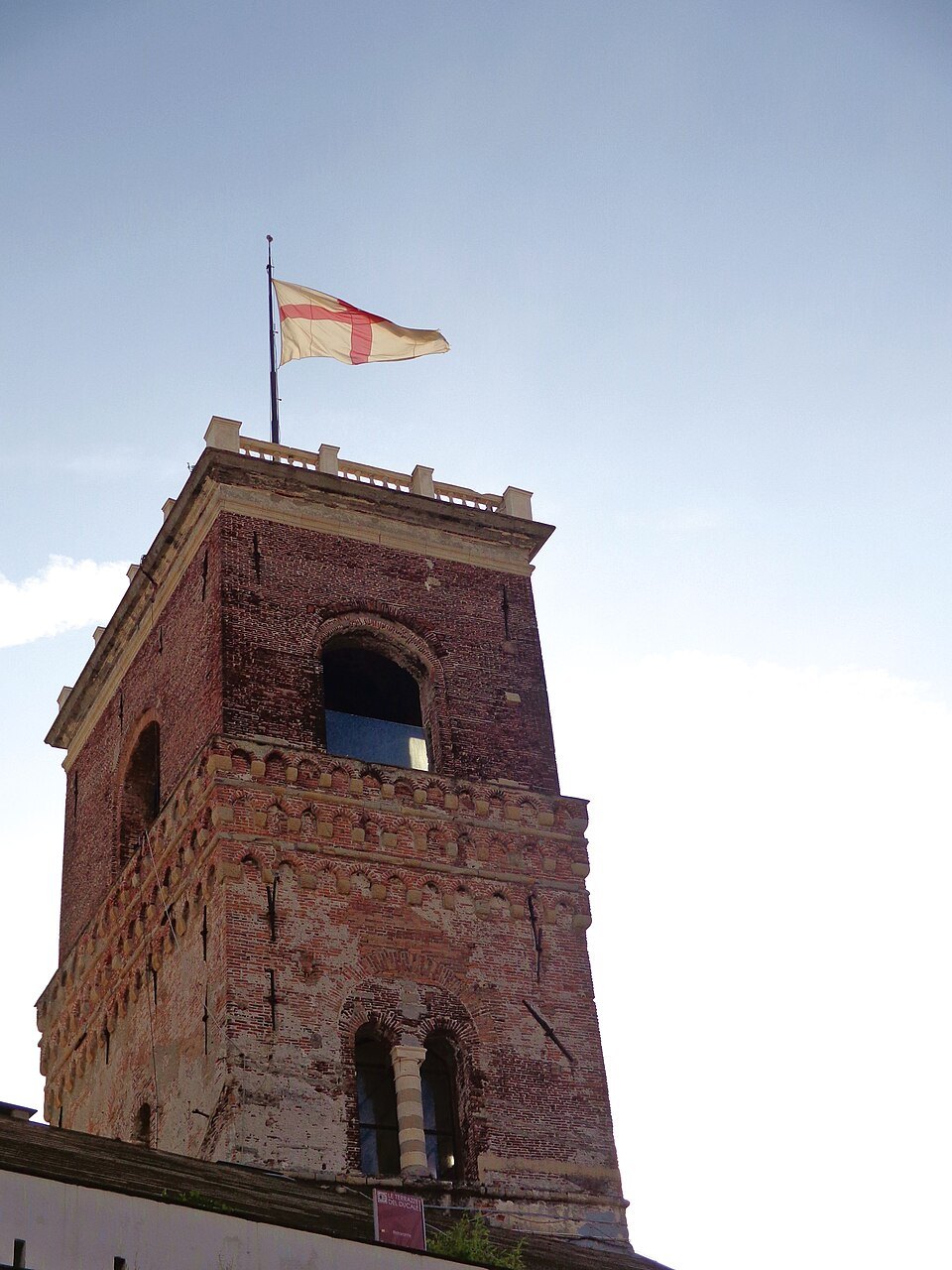
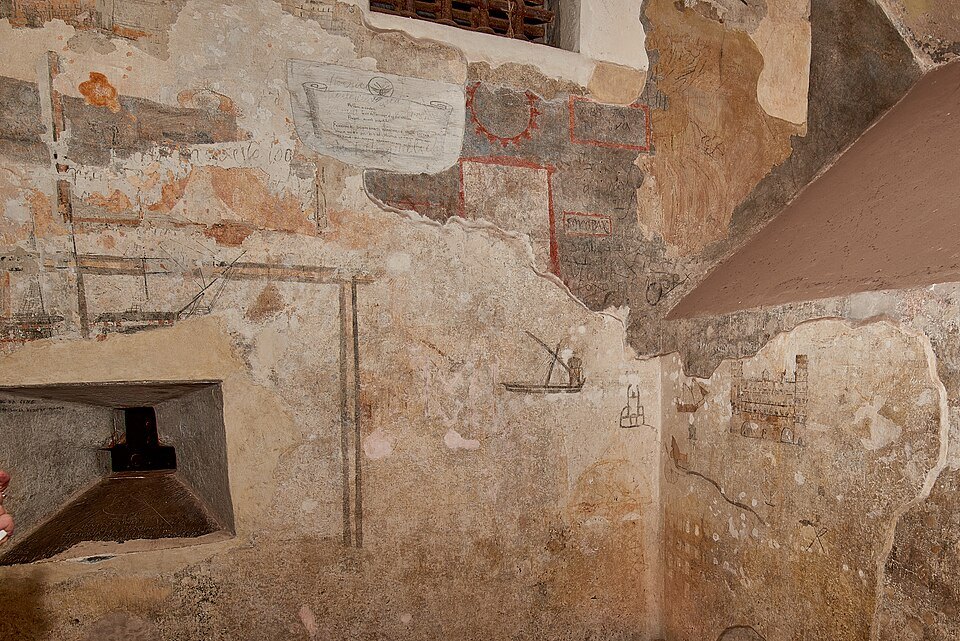
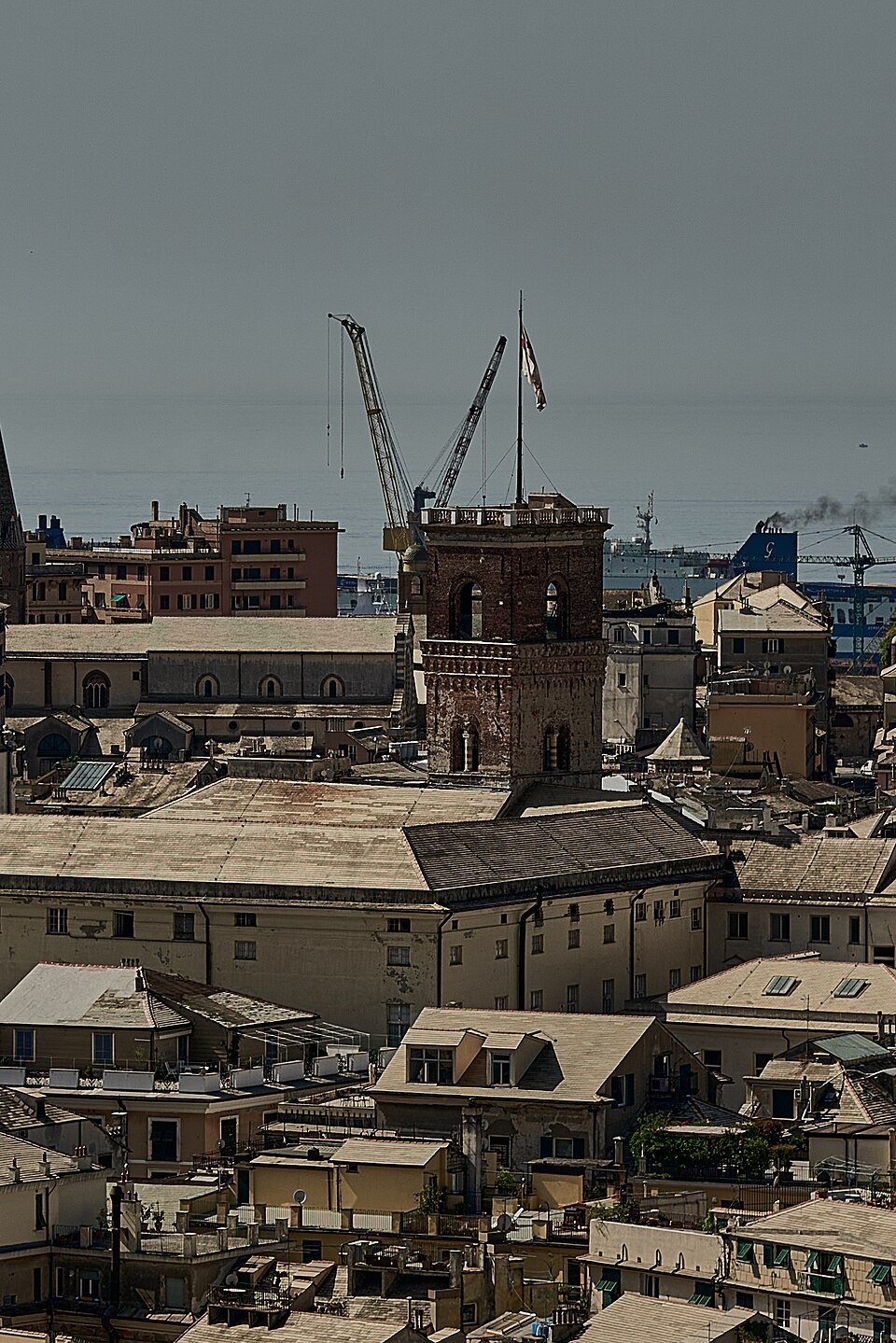
- IThe Grimaldina towerA medieval tower of six storeys bought with the palace in 1294, later the state prison
- IIThe two courtyardsOpen, arcaded and free to cross — the shortest way between two squares
- IIIThe great staircaseThe stair to the piano nobile survived the fire of 1777 and still carries visitors up
- IVThe Salone del Maggior ConsiglioThe hall of the Great Council, rebuilt in neoclassical form after the fire
- VThe Cappella DogaleThe doges' own chapel, frescoed with the city's patron saints
- VIThe neoclassical frontThe face onto Piazza De Ferrari dates from the rebuilding of 1778 to 1783
The sight in detail
Why it matters
For more than four centuries this was where Genoa governed itself. The doge lived and worked here; the Great Council and the Minor Council met here; the republic's archives and its prisoners were both kept here. When the French took the city in 1797 and the republic ended, the building lost its purpose and spent most of the next two centuries in decline, used as offices and courts.
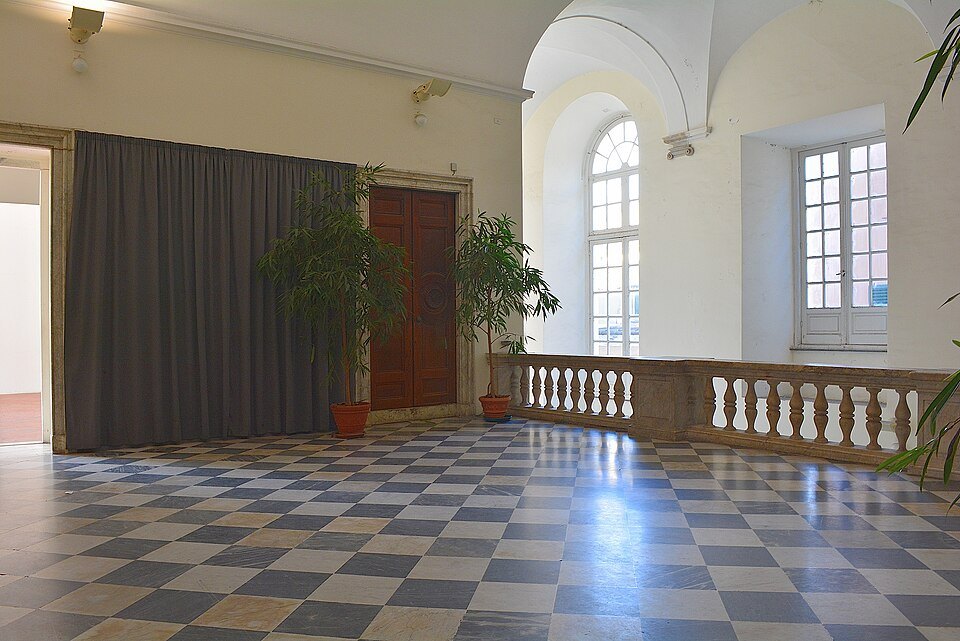
It was restored for the Colombiadi of 1992, the celebrations of the five hundredth anniversary of Columbus's crossing, and reopened as a cultural centre. That is what it is today: a very large historic building that earns its keep with exhibitions, and whose courtyards are a public shortcut.
It is also the best place to understand how the republic was governed. Genoa had no ruling dynasty. Power sat with a small number of merchant and banking families, and the constitution was rewritten repeatedly to keep any one of them from taking the state. After the reforms of Andrea Doria in 1528 the doge held office for two years rather than for life, and a Great Council of four hundred and a smaller council sat in the halls upstairs. The building was designed to hold that arrangement: assembly rooms above, offices and archives below, and a prison in the tower for those who lost.
What you walk into
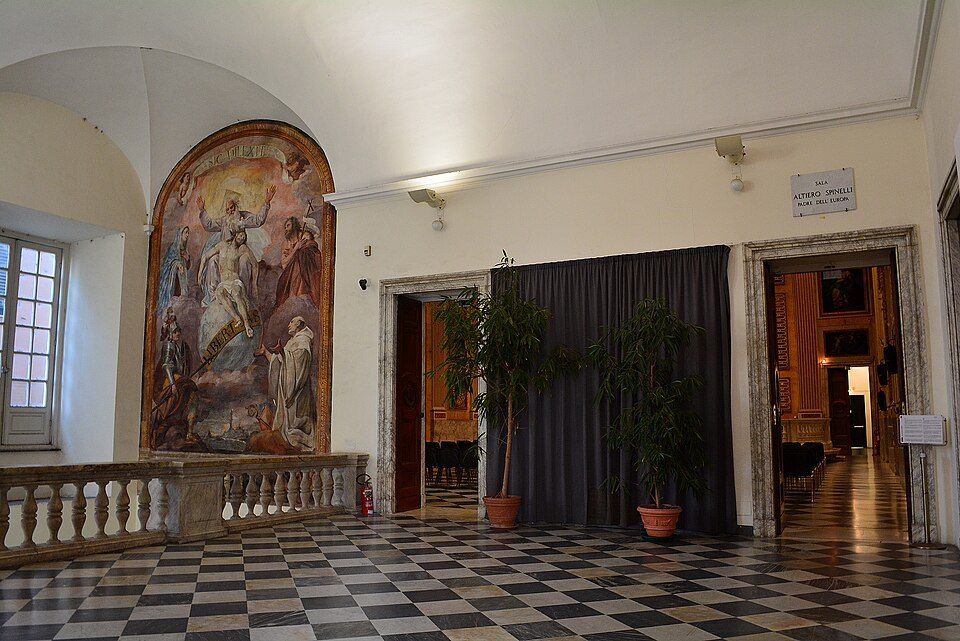
The palace grew out of private houses. In 1291 the captains of the people, Corrado Doria and Oberto Spinola, bought the Doria buildings on the slope behind the cathedral, and three years later the neighbouring Fieschi palace with its tower — the Grimaldina. From the appointment of Simone Boccanegra as the first Genoese doge in 1339 the complex took the name it still has.
The building you see is mostly the work of two later campaigns. In 1591 the senate gave Andrea Ceresola, known as il Vannone, the job of turning the patchwork into a single palace, and the courtyards and the great stair belong to that rebuilding. Then on 3 November 1777 a fire destroyed much of the central block; only the ground-floor atrium and the staircase came through it. The reconstruction that followed, between 1778 and 1783, gave the palace its neoclassical front and the two council halls in their present form.
The two fronts tell the same story twice. The side facing Piazza Matteotti, older and plainer, was the face the palace turned to the medieval city and the cathedral. The side facing Piazza De Ferrari, with its columns and pediment, was built after the fire, when the square in front of it was still the garden of a Dominican convent. Walk round both before going in and the palace stops looking like one building and starts looking like the four hundred years it took.
What you actually see
You can walk in from Piazza De Ferrari and out the other side into Piazza Matteotti without paying anything. The route runs through the atrium and the two courtyards, arcaded on all sides, usually with a café under the arches and people cutting through. It is one of the best pieces of free architecture in the city.
Up the stair are the state rooms. The Salone del Maggior Consiglio is a hall on the scale of a small church, rebuilt after the fire with a flat coffered ceiling; the Minor Consiglio next to it is smaller and richer. The Cappella Dogale, the doges' chapel, keeps its frescoes of the city's patrons and its view down over the roofs.
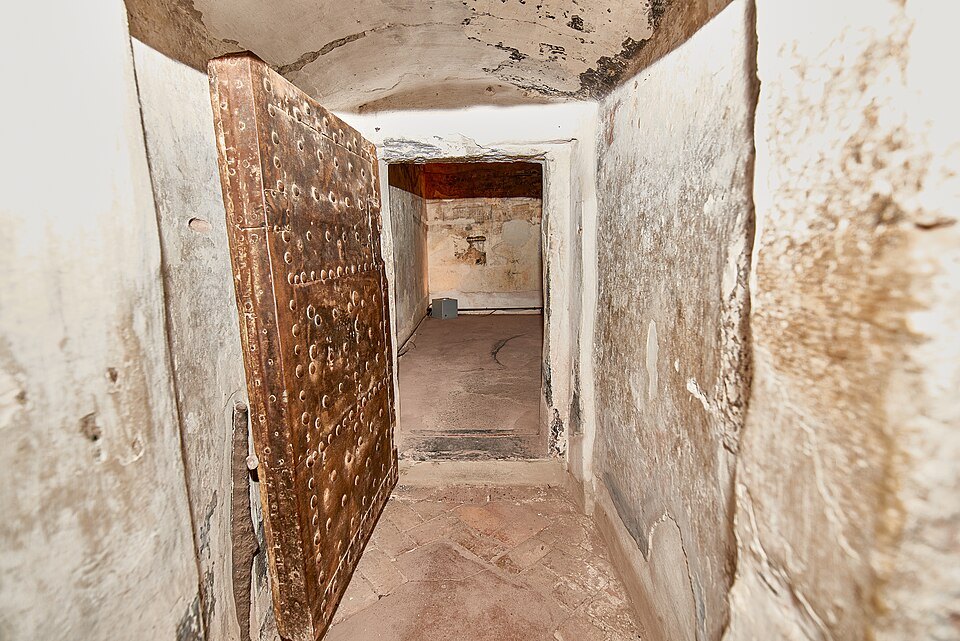
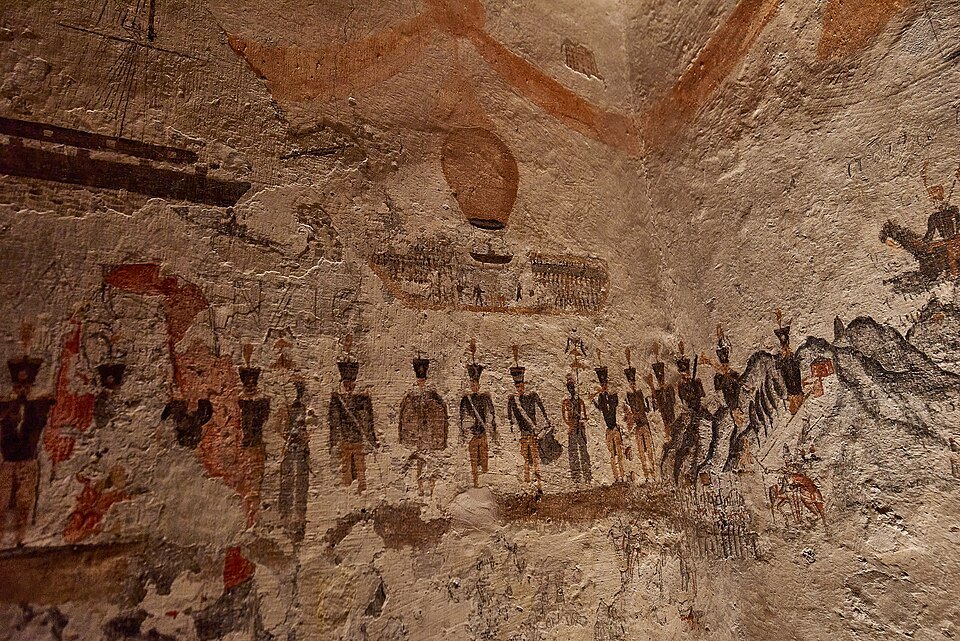
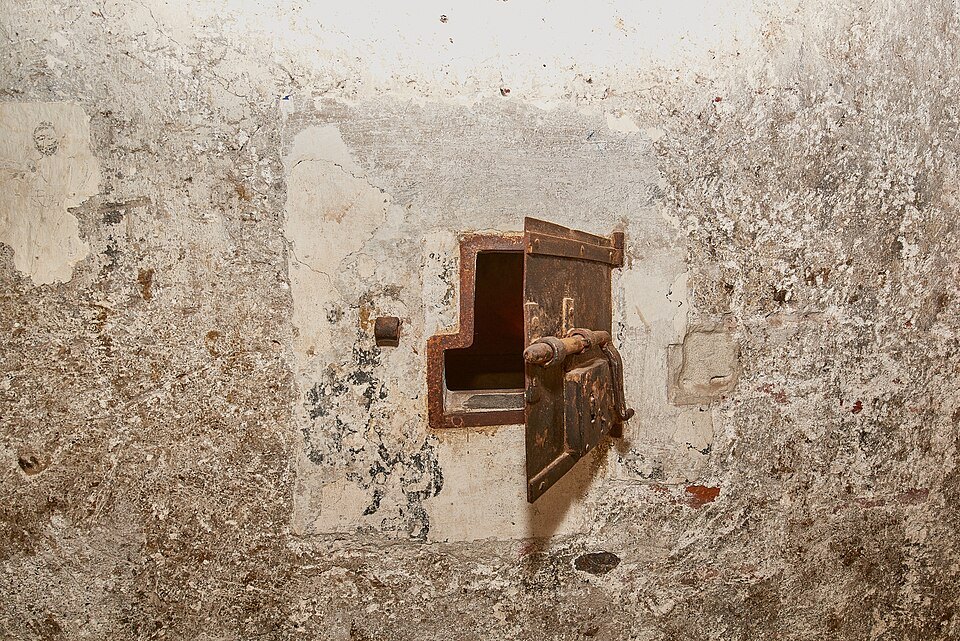
The Grimaldina tower stands at the back, above the old prisons. Political prisoners were held in it into the nineteenth century, and their scratched graffiti survives on the walls of the cells. The climb up the tower is the only part of the palace that offers a view, and it is a good one: the cathedral's striped tower below, the hills behind, the cranes of the port beyond.
Look up in the atrium: the vaults still carry the coats of arms of the families who paid for the sixteenth-century rebuilding, painted rather than carved. In the courtyards, notice how little the architecture tries to impress at ground level. The arcades are plain, the stone is grey, and everything decorative was kept for the rooms upstairs, where foreign ambassadors were received.
The exhibitions
The palace's main business now is large temporary exhibitions, usually one or two big names running at a time in the Appartamento del Doge and the Loggia degli Abati. These are ticketed separately from the halls and the tower, and they are what most Genoese mean when they say they are going to the Ducale.
There is no permanent collection to work through, which makes the building easy to fit around: check what is on, and if nothing appeals, walk the courtyards and climb the tower instead.
The rest of the building has other tenants: a bookshop, a café under the arcade, halls that host talks and the city's literary festivals. On a wet afternoon it is a reliable place to spend an hour without a plan, which is not true of most of Genoa's monuments.
How to visit
Allow twenty minutes for the courtyards, an hour if you climb the tower and see the halls, and half a day if you come for a big exhibition.
The tower and the halls are visited on a fixed route and the stair is long; there is a lift to the piano nobile but not to the top of the tower.
It sits on the hinge between the old town and the nineteenth-century city, so it is the natural pivot of a day: the cathedral and the alleys on one side, the shopping streets and the lift up to Castelletto on the other.
Where to go next
- NEXT DOORPiazza De FerrariThe hinge of the city: a bronze fountain of 1936 ringed by the opera house, the stock exchange and the palace of the doges, where the medieval alleys meet the nineteenth-century streets.Read the page
- NEXT DOORSan Lorenzo CathedralGenoa's cathedral, banded in black and white stone, with two stone lions on its steps, a treasury in the crypt and a British naval shell that came through the roof and did not explode.Read the page
- NEXT DOORPiazza San MatteoA small square of striped stone that one family built for itself: the Doria church of 1125, their palaces around it, their victories cut into the marble, and Andrea Doria's tomb in the crypt.Read the page