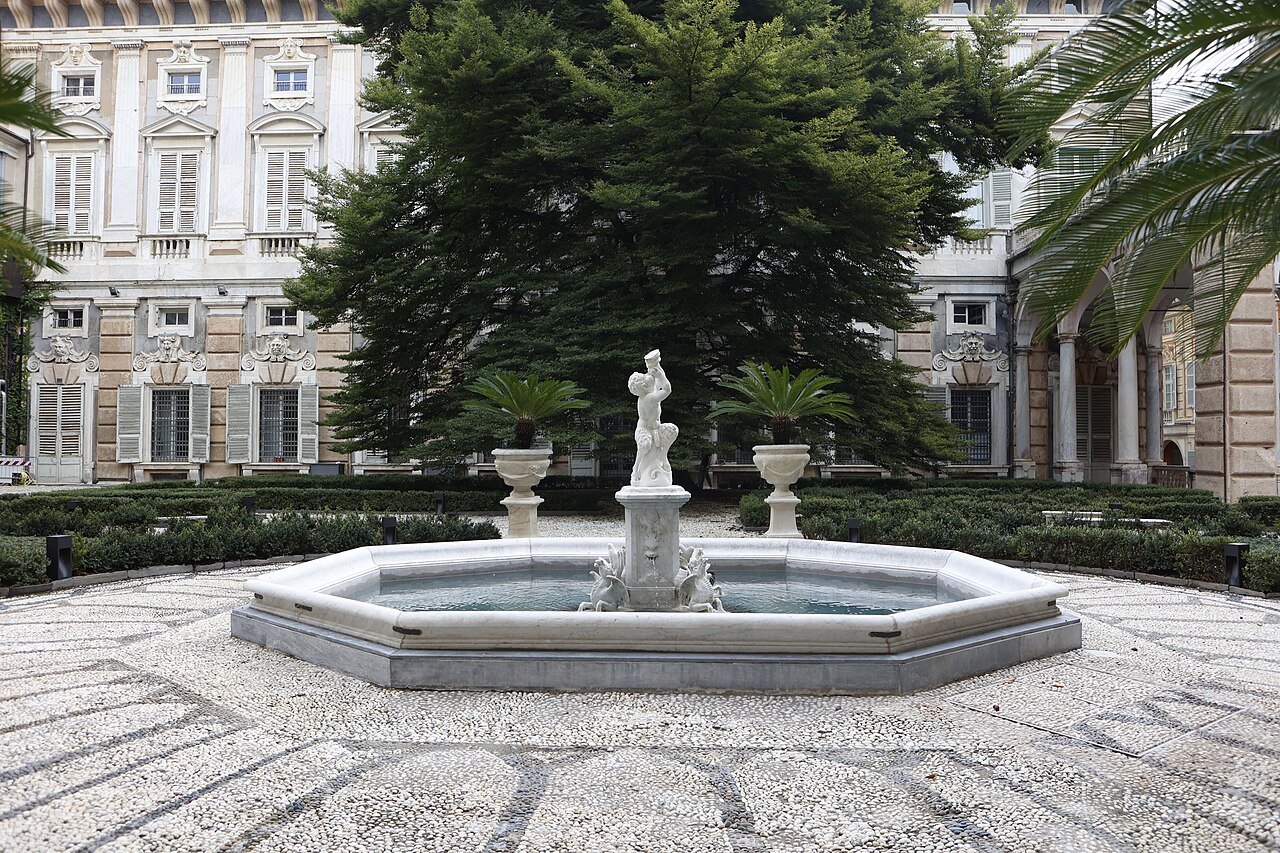
One Ticket, Three Choices
The three Strada Nuova museums share a single ticket and sit on the same short stretch of Via Garibaldi, joined underground so the visit can run from one building into the next without stepping back onto the street. Two hours covers all three at a walking pace, three if the paintings slow things down. The question of which one to see matters only when that full morning or afternoon is not available.
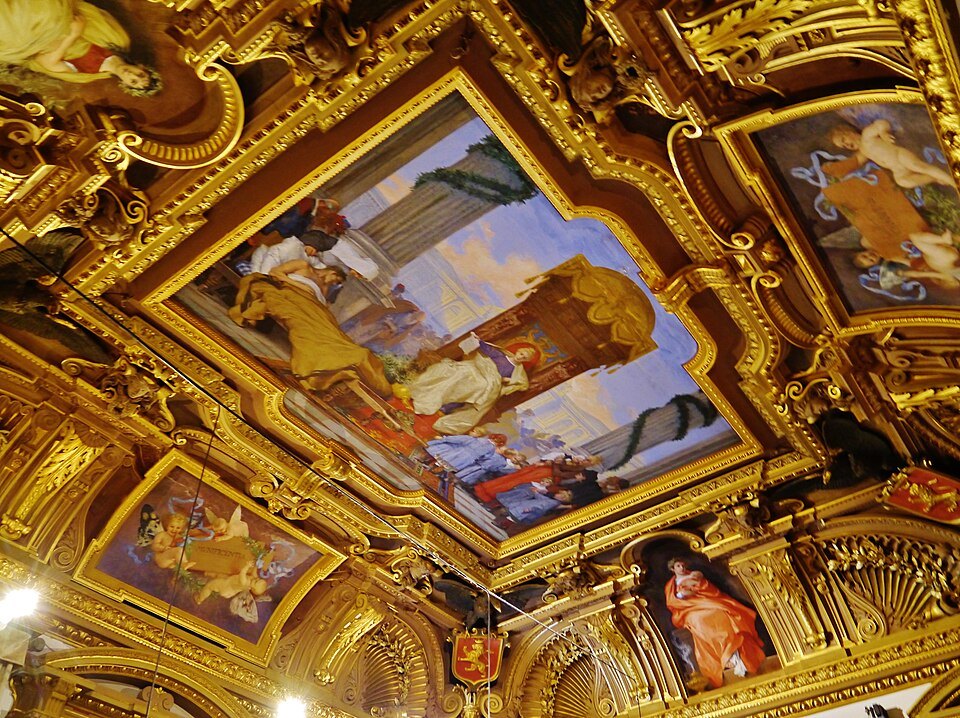
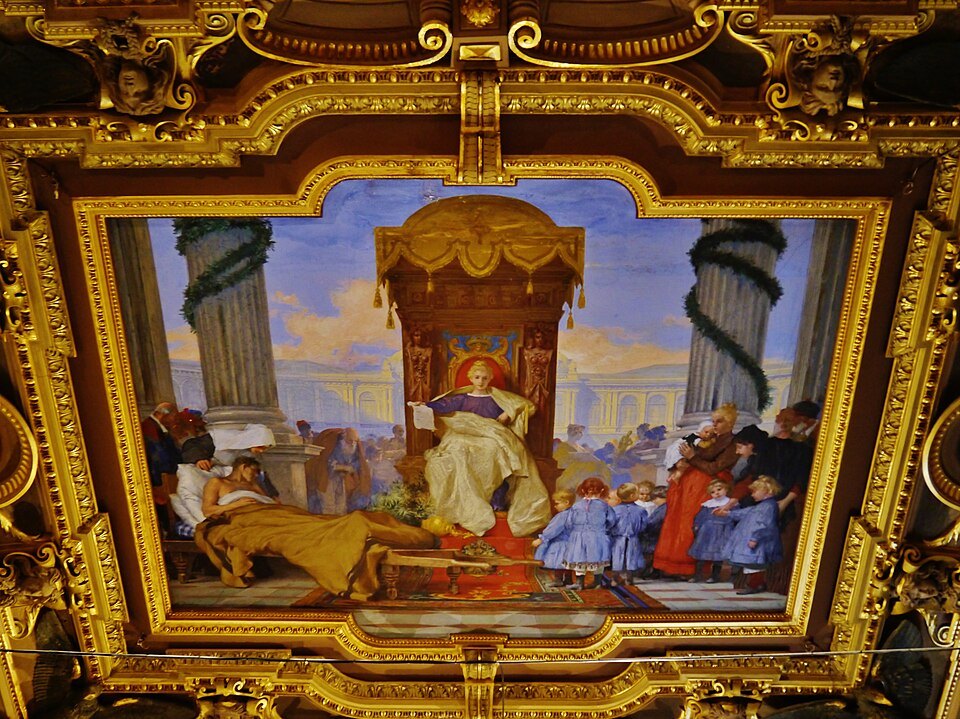
Each palace rewards a different kind of attention. One is a picture gallery, one is a family's former house kept largely as it was given to the city, and one is the city hall itself, still in use, with a single famous object inside it. Choosing between them is really a choice about what the visitor wants from a museum rather than which is objectively the best.
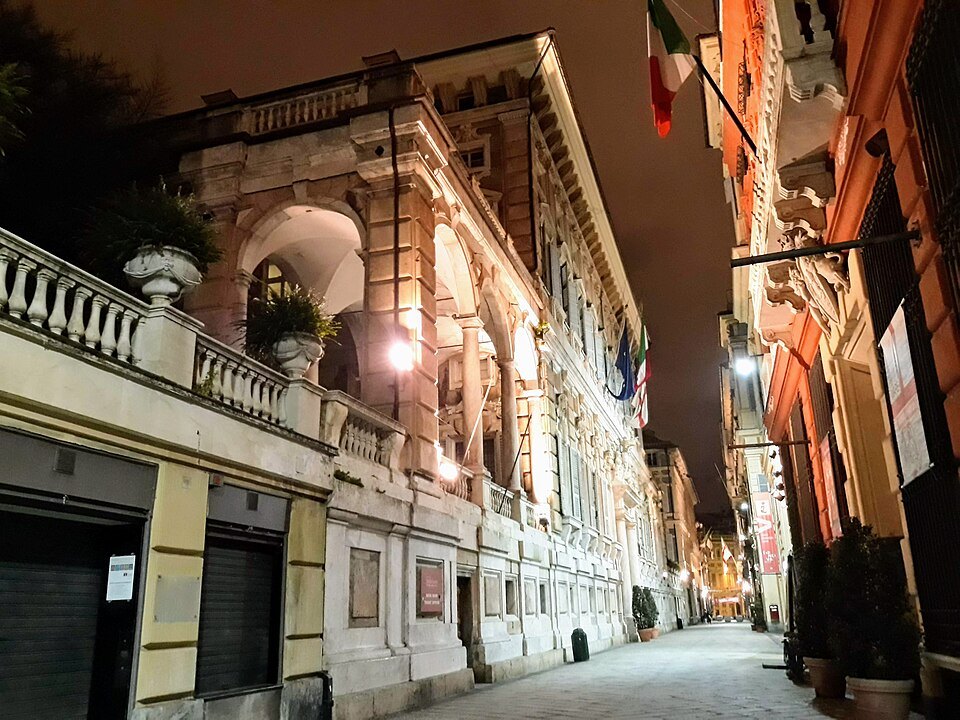
It helps to remember what makes the street itself unusual before deciding. These palaces were built from the mid sixteenth century as a single architectural set for the republic's leading families, and the state once kept lists of them good enough to lodge visiting rulers, with a lottery deciding which family hosted which guest. Rubens measured and published their plans in 1622, and that history is part of why the museums inside them are worth separating by what they actually show rather than treating them as interchangeable.
If Paintings Are the Point: Palazzo Bianco
Palazzo Bianco, facing Palazzo Rosso across the street, is the most straightforward picture gallery of the three. Its strength is Flemish and Dutch painting, bought in quantity by Genoese merchants trading with the north, alongside the Genoese painters themselves — Strozzi, Cambiaso, Magnasco — who are difficult to see in any depth outside this building.
For a visitor whose main interest is standing in front of paintings rather than touring a house, Bianco is the most efficient of the three: less architecture competes for attention, and more wall space is given over to the collection itself. It suits anyone choosing on gallery strength alone, and it rewards a slower pace more than a quick pass through rooms.
Because Bianco and Rosso stand opposite one another, a visitor who settles on Bianco as the priority can still glance across the street at the other building's facade, and at the painted architecture that survives in patches on the upper storeys of several palaces nearby, without adding much to the walk.
If a Family's House Is the Point: Palazzo Rosso
Palazzo Rosso keeps the collection and much of the furniture of the Brignole-Sale family, who gave the building to the city in 1874. Van Dyck's portraits of the family hang here, along with frescoed rooms built around the seasons, and the sense — more than in the other two — of a single household's possessions rather than a civic collection assembled afterward.
A modern stair leads up to a roof terrace that many visitors miss simply by not continuing to climb past the painted rooms. The view is over the roofs of the old town toward Castelletto, not the sea some expect, but it is one of the better vantage points in the center and worth the extra flight regardless of which museum ends up being the main stop.
Rosso suits a visitor who wants architecture, a named family and portraiture together, with a view at the end of it. It is also the building that best shows how these houses were designed to be experienced in section rather than plan, climbing from vestibule to stair to courtyard as the ground itself rises.
If Genoa Itself Is the Point: Palazzo Doria Tursi
Palazzo Doria Tursi is the largest of the three and also the seat of the city government, so the route to the museum rooms passes working council offices. Inside, it holds Genoa's civic collections, and in a dimly lit case of its own, the violin made by Guarneri and left by Niccolò Paganini to the city — an object with no real equivalent in the other two buildings.
The violin's room is easy to walk past without noticing, so it is worth asking staff where it is rather than relying on finding it alone. Because parts of the building close when the council is sitting, a visitor set on seeing this one room specifically should check with museum staff on arrival rather than assume full access to every wing on any given day.
Tursi suits anyone whose interest runs more to civic history and a single celebrated object than to painting or portraiture. It also offers the clearest sense of a Rolli palace still partly doing its original job as a seat of authority, rather than existing purely as a museum.
Still Undecided
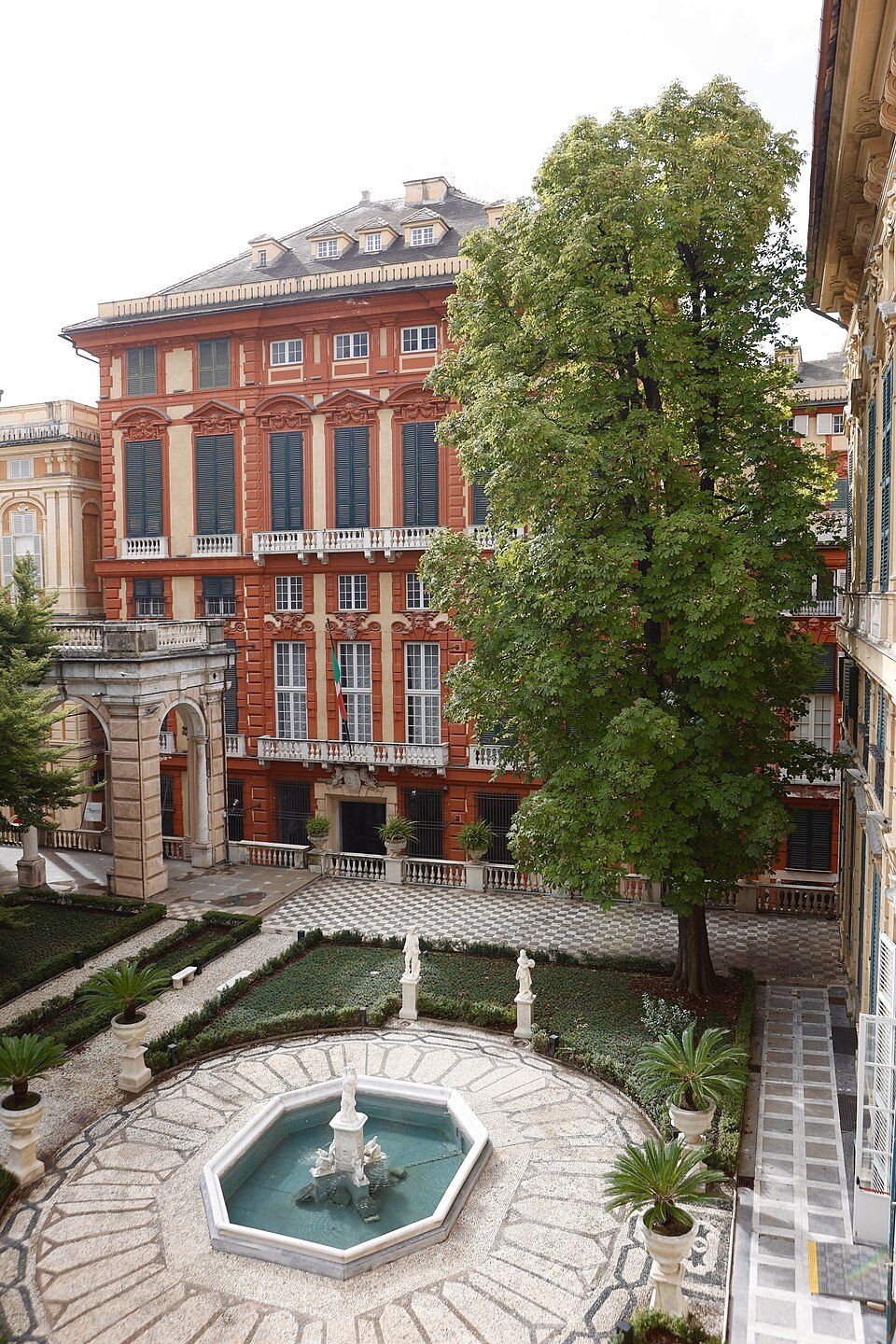
A visitor who wants one answer rather than three options could reasonably pick Palazzo Rosso: it combines portraiture, a sense of a lived house despite the sparse furniture, and the terrace view, which the other two do not offer. It is the single building that comes closest to covering all three interests at once, which is why it is often suggested as the default choice.
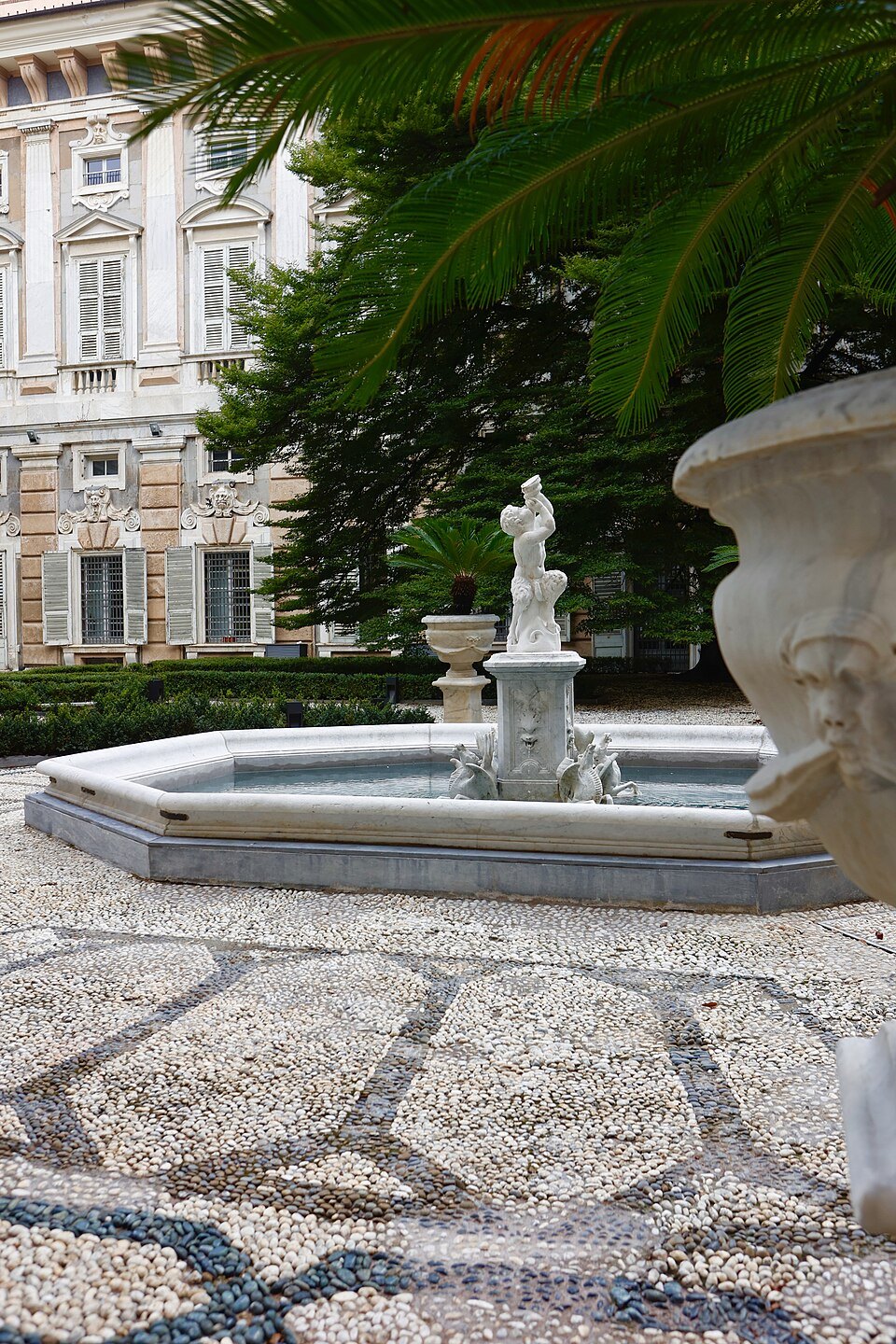
Anyone with slightly more time should not stop at the museums alone. The open atria of palaces along the street that are not museums — Podestà, Spinola, Cattaneo Adorno — can often be glimpsed from the doorway, including one courtyard with a grotto fountain encrusted with shells, and the Rolli palaces page explains which others open to visitors and on what terms.
Two further collections sit within a few minutes' walk and are usually quieter than any of the three main museums: the Galleria Nazionale in Palazzo Spinola, kept as a furnished palace, and the collection on Via Balbi described on the Palazzo Reale page. Either is worth a look if the main three have already been covered.
Before Deciding
Photography rules differ between the three buildings, so a visitor planning to take pictures of the collections should ask at the ticket desk rather than assume one rule covers all three. The honest point to keep in mind throughout is that these are palaces short on furniture — what survives is mostly architecture and painting, not a fully dressed interior, since Genoese families sold or divided their contents over the centuries.
Via Garibaldi itself is short, flat and nearly free of traffic, so arriving on foot from elsewhere in the center is simple; details on reaching the street and the wider center are on the getting around page. Whichever palace comes first, the underground passage linking all three means the choice is really about where to start and linger, not about missing the others entirely.
More from the journal
- The Rolli PalacesHow do you get inside the Rolli palaces outside the Rolli Days?Which Rolli palaces can be visited on an ordinary day, which open only sometimes, and how the Rolli Days work.Read the piece
- Getting AroundWhich of Genoa's lifts and funiculars are actually worth riding?Genoa runs ten public lifts, two funiculars and a rack railway on the ordinary bus ticket. Here is what each one is for, which are worth a detour, and how to use them.Read the piece