What to book, and how far ahead
- The aquariumTimed entry avoids a long queue on the quay in summer and at weekends.A few days ahead in season; the same morning is often enough out of it.
- A big exhibition at the Palazzo DucaleThe main shows sell timed slots and the popular ones fill at weekends.A week ahead for a weekend visit.
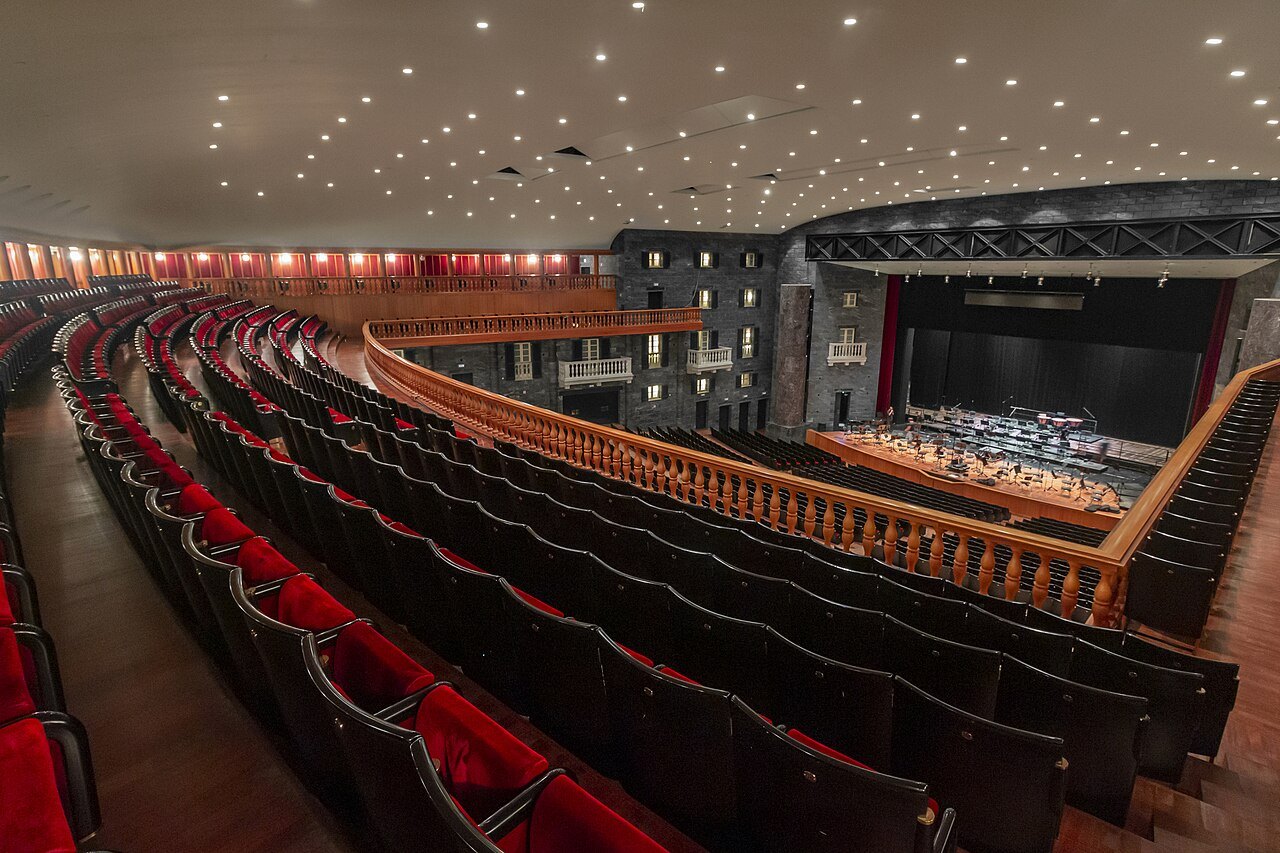
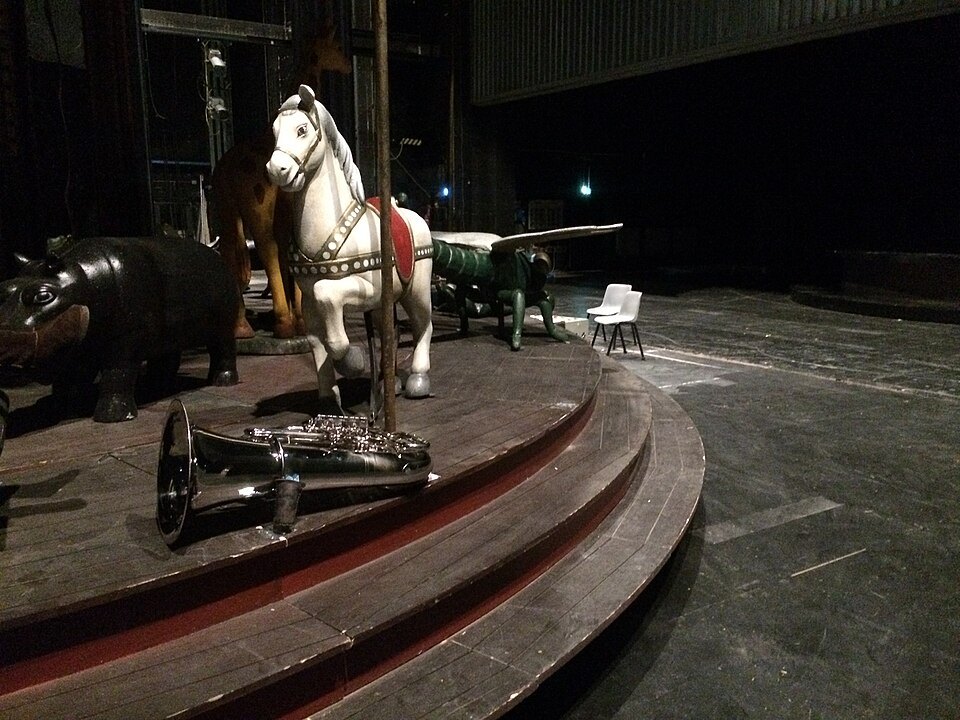
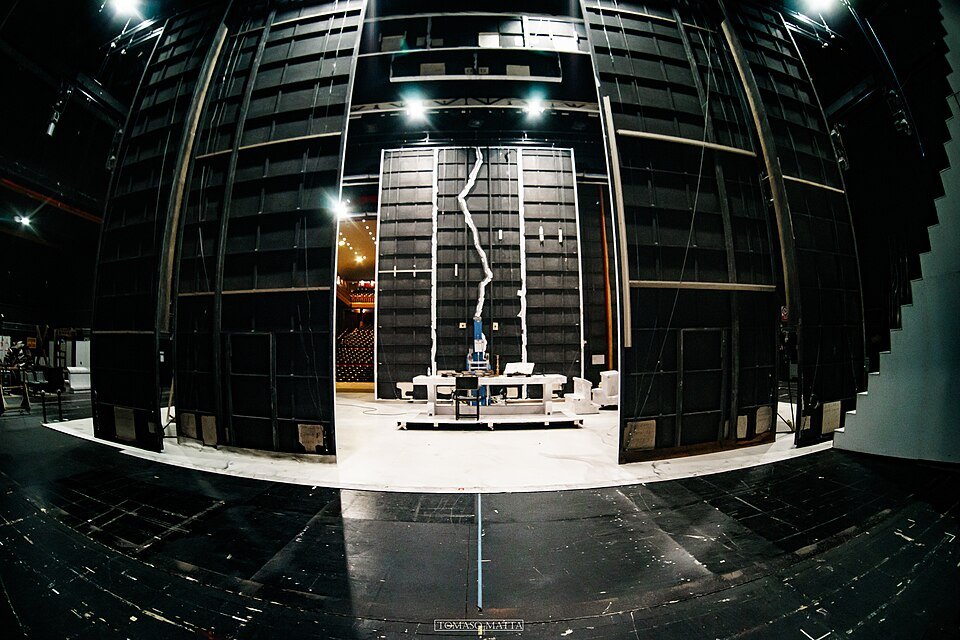
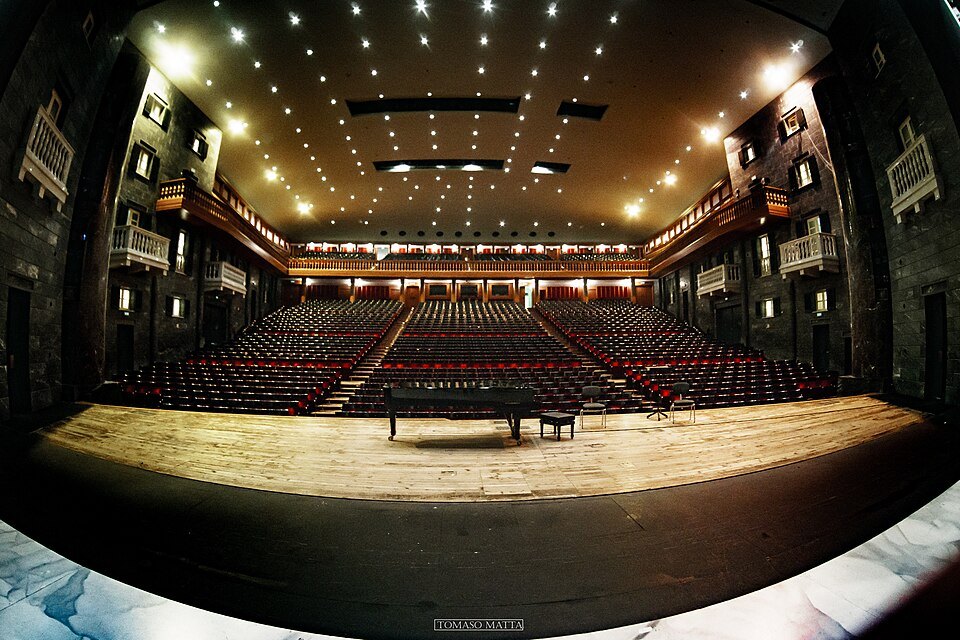
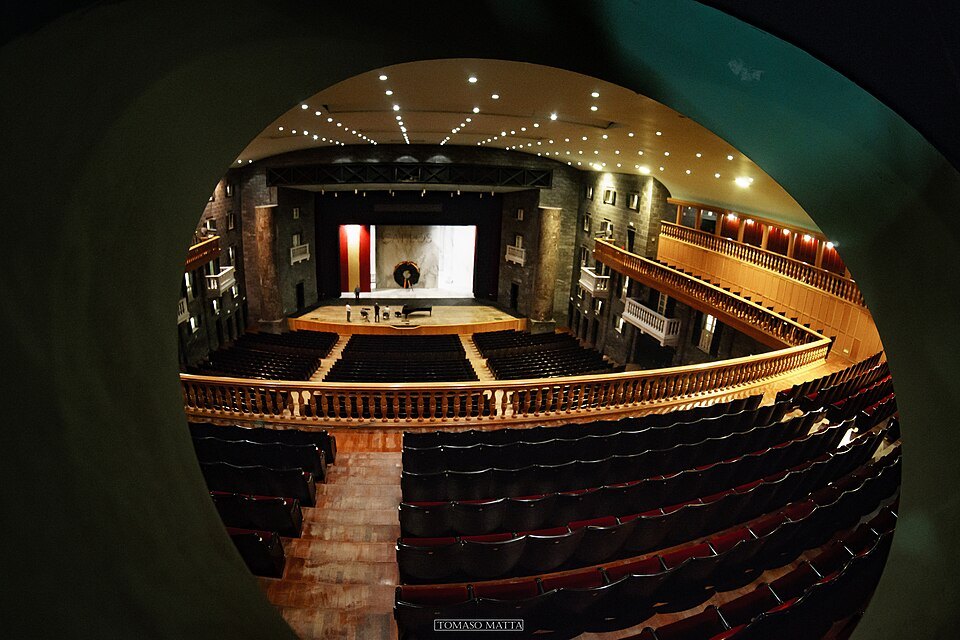
- The opera at the Carlo FeliceA working opera house with a short season and a local audience.As soon as the season is published, for anything well known.
- The Rolli DaysThe only way into most of the listed palaces, and slots are released online.The moment booking opens, weeks ahead.
- A table on SundaySunday lunch is the meal the city takes seriously and the good trattorie fill.Two or three days ahead.
- The boat to San FruttuosoSailings are weather-dependent and limited out of season.The day before, and check the forecast.
- A ferry to the islandsCabins and car spaces on the overnight crossings sell out in summer.Weeks ahead for July and August.
Booking Ahead in detail
The short answer
Most of what this site describes needs nothing arranged. The churches, the squares, the lanes, the seafront, the walls and forts, the cemetery, the lifts and the funicular are all simply there, and several of them cost nothing at all.
That is worth saying plainly, because Genoa is often visited in a hurry from a cruise ship or a stopover, and the instinct to pre-book everything wastes the city's main advantage: it is a place you can wander into.
The exceptions are few and they are listed above. Everything else can be decided on the morning, according to the weather.
The city's own rhythm matters more than any booking system. Churches and many palaces close for two or three hours in the middle of the day, museums keep one closing day a week, and the small shops of the old town shut for a fortnight in August. Planning around those does more good than buying tickets in advance.
A useful way to think about it: book the things that have a fixed capacity — a tank, a theatre seat, a boat, a table, a cabin — and turn up at everything that does not.
The aquarium
The aquarium is the one attraction where queues are a real factor. It is the most visited paying sight in the city, the queue forms on an exposed quay, and a timed ticket removes the problem entirely.
Book a slot early in the day or late in the afternoon; the middle is when tour groups and school parties are inside.
Combined tickets with the Bigo lift, the Biosfera and the sea museum are sold on the same site and save a second queue at each.
If you are travelling with children, treat the aquarium as the fixed point of the day and build around it: the galleon, the Bigo lift and the Biosfera are all within a few minutes' walk of its door, and none of them needs its own plan.
Exhibitions, opera and palaces
The Palazzo Ducale runs one or two large exhibitions at a time and sells timed entry for them; the courtyards, the tower and the halls are a separate and much quieter proposition.
The Teatro Carlo Felice on Piazza De Ferrari has a full opera and concert season with a local subscription audience, so individual seats for well-known titles go early.
The Rolli Days weekends, twice a year, are the only way into most of the listed palaces. Slots are released online in advance and the best houses are taken within hours.
The city also runs occasional evening openings and festival weekends — a literature festival, a science festival, the boat show in September — which fill hotels rather than sights. It is worth knowing the dates before booking a room.
Places with limited opening
The Lanterna does not open every day, and the walkway out to it is exposed, so the visit depends on both the calendar and the weather.
Some smaller churches and the crypt at San Matteo keep short and irregular hours; the general Italian pattern of a long midday closure applies across the city.
Guided visits — the treasury under the cathedral, parts of the royal palace, occasional access to private palaces — run on fixed rounds rather than continuously.
Where a place has restricted access, this site says so on its own page rather than repeating hours that will be wrong by the time you read them. The operator's own site is the only reliable source on the day.
The same applies to the funicular and the public lifts: they run to a timetable rather than continuously, and the last departure of the evening is earlier than you would expect in a city this size.
Eating and sleeping
Restaurants need booking only at the weekend and for the well-known places; the fried-food shops and bakeries that make up much of the city's eating take no reservations at all — see eating and drinking.
Hotels are the real constraint in two periods: the boat show in September and Easter. Both fill the city, and rooms in the central districts go first.
For the ferries to Sardinia, Corsica and Sicily, book well ahead in summer if you want a cabin or a car space; foot passengers have more room.
One more thing worth arranging early: luggage storage. Both stations have it, and independent points around the centre cover the gap between a morning arrival and an afternoon check-in — useful in a city where the last hundred metres to a hotel may be a staircase.
What not to book
Do not buy a skip-the-line ticket for anything except the aquarium and the big exhibitions. Nothing else in Genoa has a queue worth skipping.
Do not book a guided tour of the old town before you arrive unless you particularly want one. The lanes are the kind of place that rewards being lost for an hour first.
Do not reserve a hire car for the city itself. It will sit in a garage — see getting around.
Do not buy a city card without checking what it covers. Genoa's museums are inexpensive individually, several of the best things are free, and the transport ticket you need for the lifts and funiculars is sold separately and costs very little.
And do not plan the whole visit in advance. The weather here changes what is worth doing — rain sends you into the palaces, wind clears the air for the forts — and a day left open is usually the one people remember.
Services we link to
Some links on this page are affiliate links. If you book through one we may earn a commission, at no extra cost to you. It does not affect what is recommended here, and no sight page on this site carries one.
The two things worth arranging in advance:
More photographs
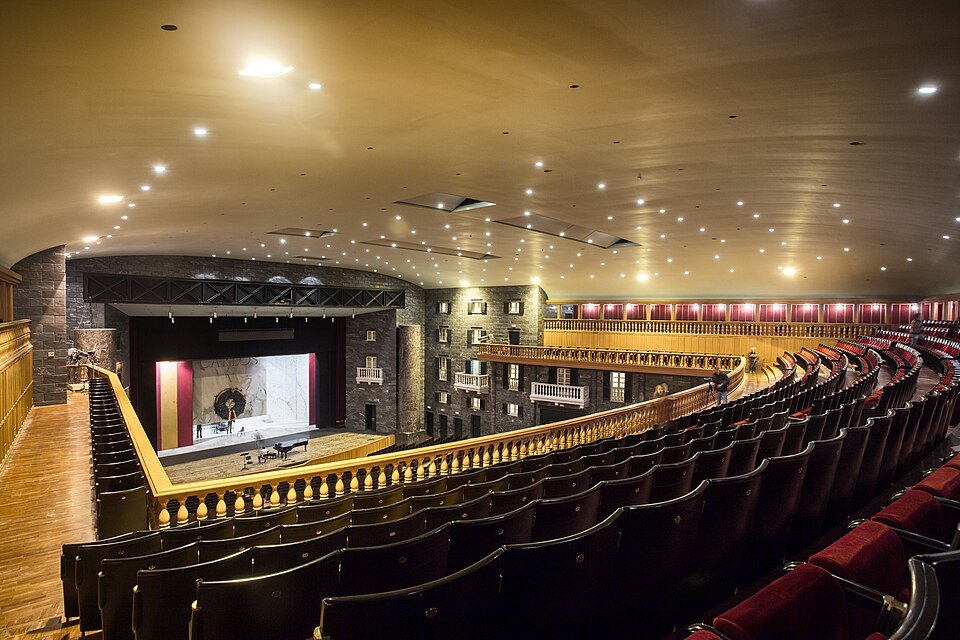
Rows of seats curving through the Carlo Felice's stallsMarcello Terruli, Wikimedia Commons, CC BY-SA 4.0 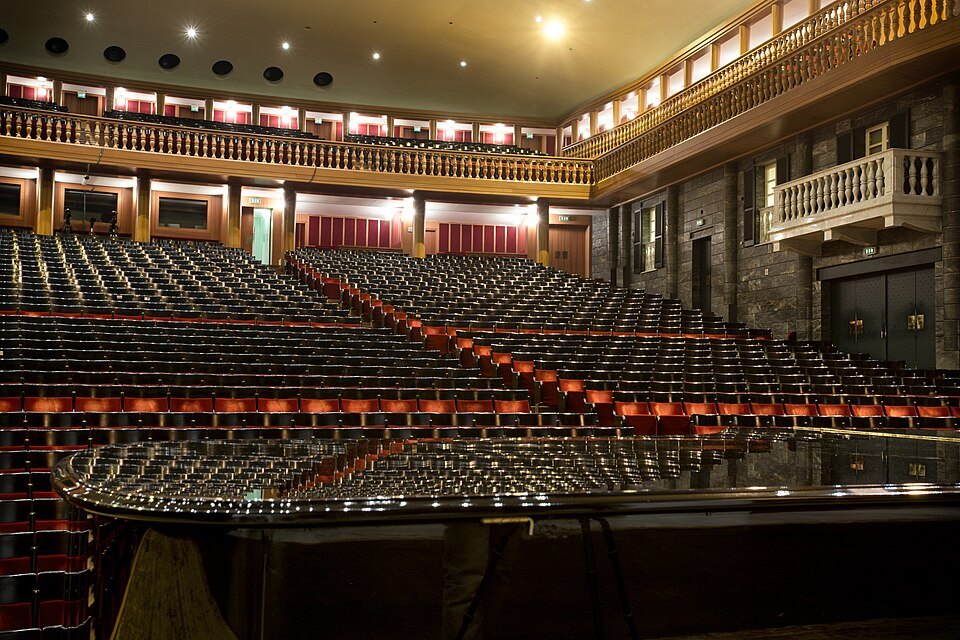
The gilded tiers and red seats of the Carlo Felice from the back of the stallsMarcello Terruli, Wikimedia Commons, CC BY-SA 4.0