The short answer
Genoa has a hot-summer Mediterranean climate, mild in winter and humid in summer, with heavy rain concentrated in autumn storms rather than spread evenly through the year. There is no single best month, but two stand out for different reasons: September for warm sea and clear light, and either March, April or May for comfortable walking and gardens.
The sea keeps winters gentler than inland Piedmont or Lombardy, and it also feeds the sudden, heavy rain the city is known for. Sunshine is generous overall, but wind shapes the day more than temperature does — the tramontana brings cold, clear air in winter, and the libeccio pushes rain in from the sea in autumn. Because the city faces south with hills rising steeply behind it, conditions can differ between the shore and the ridge on the same afternoon.
Spring: walking and gardens
March and April are the best months for covering ground on foot. The hills are green, the old town is neither cold nor stifling, and the cliff path at Nervi is comfortable even at midday. The sea stays cold until late in the season, so spring suits walking and museums rather than swimming.
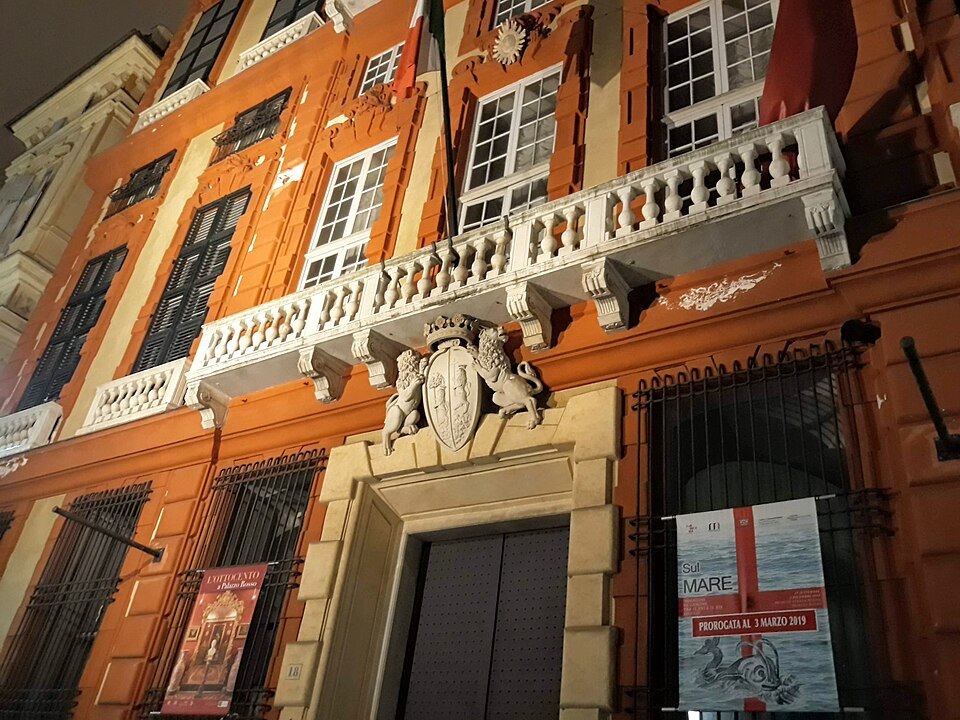
The spring Rolli Days weekend, usually held in the first half of the year, opens a number of private palaces along Via Garibaldi and beyond to visitors without a ticket — it is the one event worth building a trip around, and it is covered in full on the dedicated page about the Rolli palaces. Confirm the actual dates with the organizers before booking travel, since they move from year to year.
April and May are also the months for gardens: the parks at Nervi, the palace terraces on Via Garibaldi, and the hanging garden of the Palazzo Reale are all at their best. Easter brings a long weekend of church visits and the first cruise ships of the season, both of which the old town absorbs without strain.
Summer: heat, humidity, and the shore
June through August is hot, bright, and humid — the kind of close, heavy air that catches visitors off guard more than the thermometer does. Climbs that feel easy in April are harder work in July, so it is worth planning the vertical parts of a day, the funiculars, the forts, the walls along the ridge, for the morning and leaving exposed ground alone by midday.
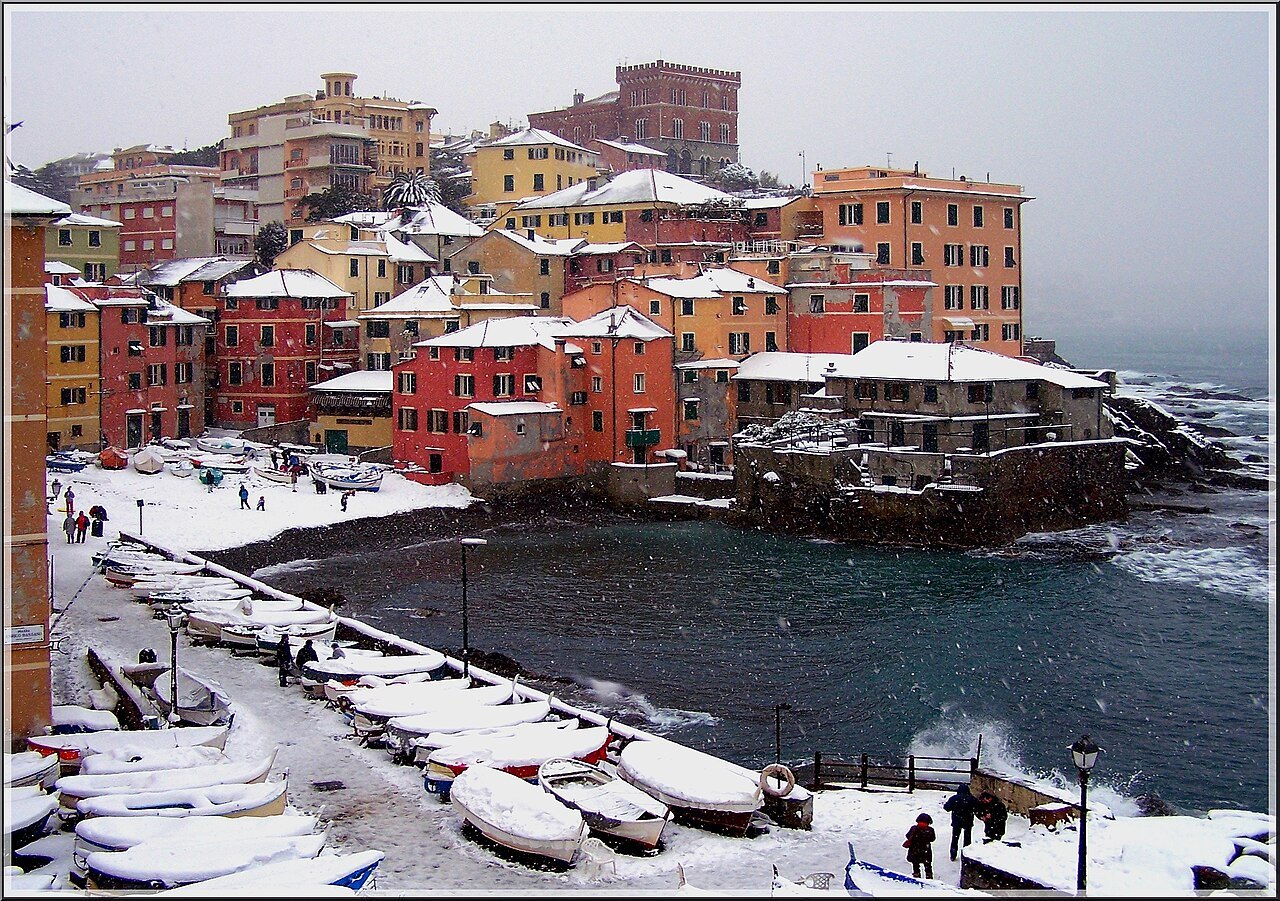
The shore comes alive in summer: the water at Boccadasse and the stretch along Corso Italia fill in the evening, and the old town stays shaded and comparatively cool. Evenings are when the city is at its best in July and August, with the passeggiata running late and small squares filling for an aperitivo.
August needs a note of caution. The heat peaks, many Genoese leave for the coast, and a share of small shops, bakeries and trattorie close for a couple of weeks, though the major monuments stay open. Neighborhood life thins out, which changes the feel of a visit more than it limits what can be seen.
Autumn: the best single month, and the risk after it
September is widely considered the best month to visit. The sea is still warm, the worst of the heat has passed, the light runs long into the evening, and the city's boat show brings energy without overwhelming the old town the way August crowds can. The boat show falls in the third week of September and is one of the largest of its kind in the Mediterranean; if a visit coincides with it, book accommodation well ahead or consider staying outside the center, since hotels fill quickly.
October and November bring the rain the region is known for. Ligurian autumn storms are serious business — the city sits at the base of steep valleys, and rivers can rise fast — so a wet day here is genuinely wet, not a drizzle to shrug off. That is not a reason to avoid the season: the palaces, the aquarium, and the sea museum at Galata make a complete indoor program, and much of the old town is naturally sheltered by the height of its own buildings.
Winter: mild, clear, and quiet
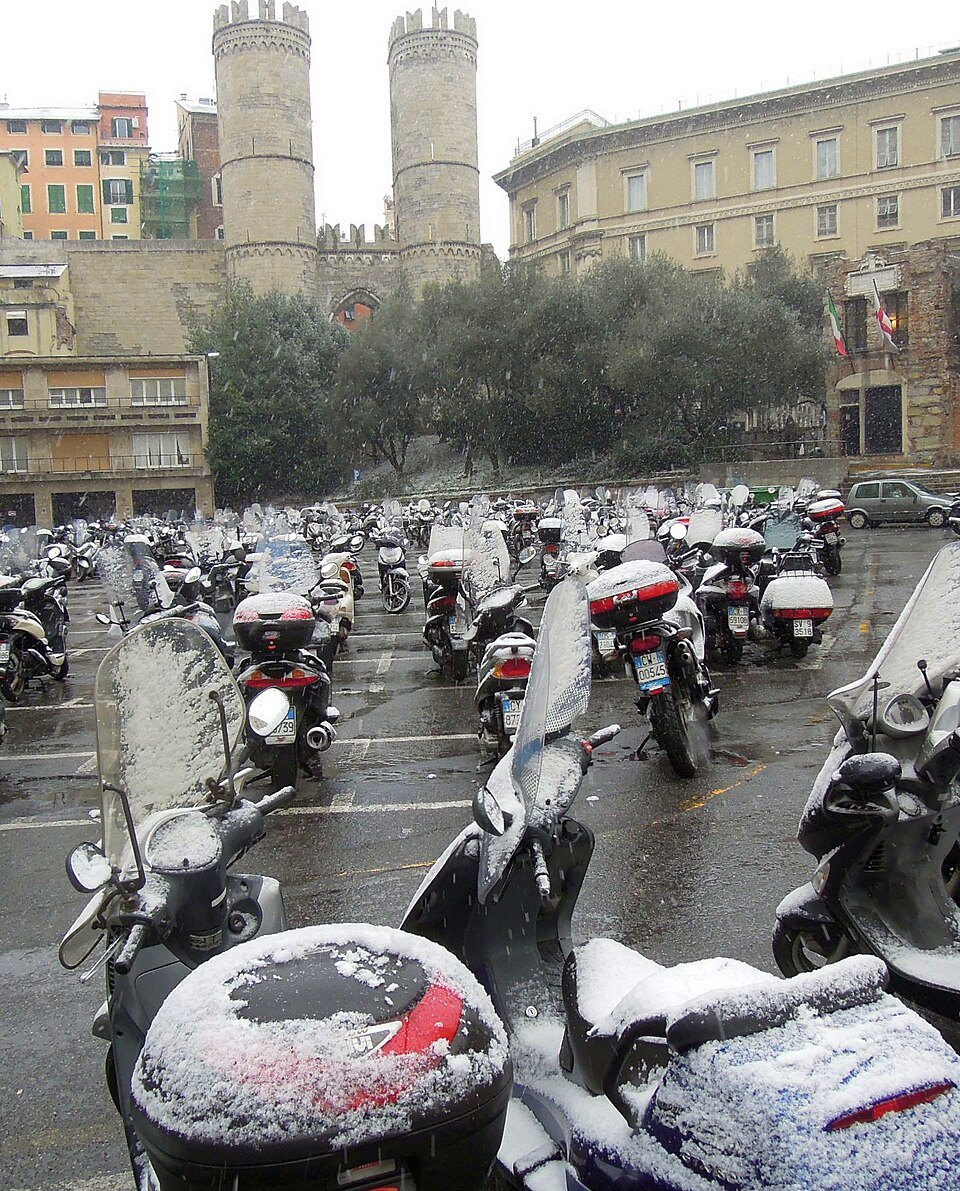
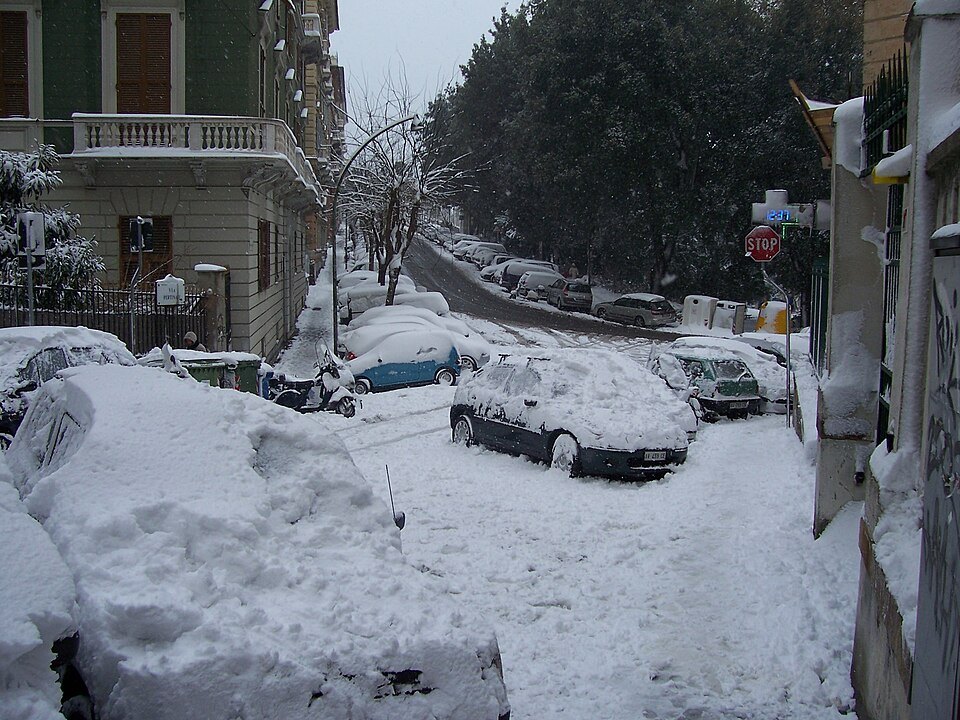
Winter in Genoa is mild and often strikingly bright, with cold, clear air off the sea and snow visible on the mountains behind the city. It is arguably the season in which the city looks its best, with light reaching down into the lanes of the caruggi for part of the day even in December.
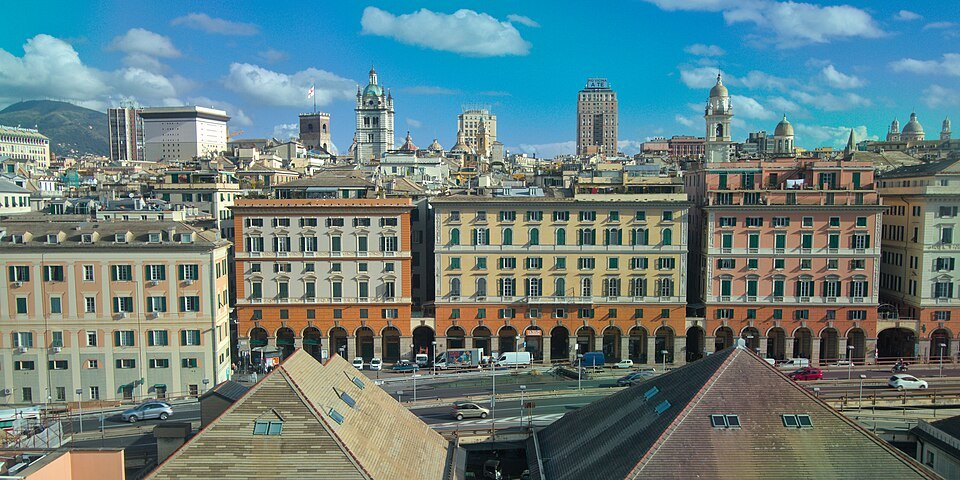
December brings the Christmas lights along Via XX Settembre and the Confeugo, a long-standing ceremony in which a laurel log is presented to the city in the square before the Palazzo Ducale ahead of Christmas. Christmas itself is quiet by Italian standards, with lights on the main streets and nativity traditions in the old town's churches rather than large public spectacle.
January and February are the quietest weeks of the year for visitors: museums are far less crowded, restaurants are easier to book, and the hills behind the city are often at their clearest for walking. Winter is also a reliable season for the forts and the ridge walks above Righi, when the air is clean enough to see the Alps across the gulf on a good day.
Choosing by what matters most
For walking and palaces, aim for March to May or late September into early November. For the sea and coastal life, June through September works, with the first half of September the strongest stretch of all. For quiet streets and museum interiors, December to February delivers both, with the trade-off of short days and the possibility of a storm.
Events are worth timing around rather than avoiding: the Rolli Days in spring or autumn, the city's patron saint's day in June, and the boat show in September. None of them is a reason to stay away, and the Rolli Days in particular are reason enough to pick a specific date over any other.
Whatever the month, the weather in Genoa tends to change what is worth doing rather than whether a visit works at all. Rain is an argument for the palaces and the aquarium, wind clears the air for the forts, and heat simply moves the day toward the shore and the evening. For help planning the logistics of arrival once a month is chosen, see the pages on getting here and getting around.
More from the journal
- The Aquarium of GenoaIs the Aquarium of Genoa worth the ticket, and when should you go?What is actually inside Italy's largest aquarium, how long it takes, how to avoid the queue on the quay, and the one part of it visitors argue about.Read the piece
- The Rolli PalacesHow do you get inside the Rolli palaces outside the Rolli Days?Which Rolli palaces can be visited on an ordinary day, which open only sometimes, and how the Rolli Days work.Read the piece
- The Righi Funicular and the FortsHow do you reach the forts above Genoa without a car?A funicular from the edge of the old town, a path along seventeenth-century walls, and four forts on the skyline — a half day from the centre with no car and no tour.Read the piece